Tuesday morning, 7:42, Beckett has one shoe on, Hallie cannot find her jacket, and Asher has somehow added grape juice to a white shirt before breakfast. Cleaning stains on white clothes sounds like a laundry emergency, but it usually needs a calm sequence rather than a heroic amount of detergent. I have run this play dozens of times in the Donovan household, usually while someone is asking where the soccer socks went.
The basic rule is simple: act quickly, remove the extra mess, treat the mark, and keep the shirt out of the dryer until you know the stain is gone. Heat can set many stains permanently. Cold or lukewarm water, a little patience, and the right treatment will save more playground clothes than aggressive scrubbing ever will.
The first five minutes matter
When a child arrives home with a stain, do not throw the garment straight into the hamper. That is how a small spot becomes a permanent family souvenir. Check the care label first, then scrape off dried mud, food, or grass with the edge of a spoon. Avoid rubbing the stain deeper into the fibers.
For a fresh liquid stain, press a clean paper towel or cloth against the area. Blot from the outside toward the center so the mark does not spread. Run cool water through the back of the fabric when possible. This pushes the substance out instead of driving it farther into the shirt.
Cleaning stains on white clothes works best when you identify what caused the mark. Protein stains such as milk, egg, or blood respond poorly to hot water. Greasy food needs dish soap or a laundry product that can break down oil. Grass, juice, and dirt usually need a good pre-treat followed by normal washing.
Do not mix cleaning products. In particular, never combine chlorine bleach with ammonia, vinegar, or other cleaners. A plain, controlled process beats a laundry-room chemistry experiment every time.
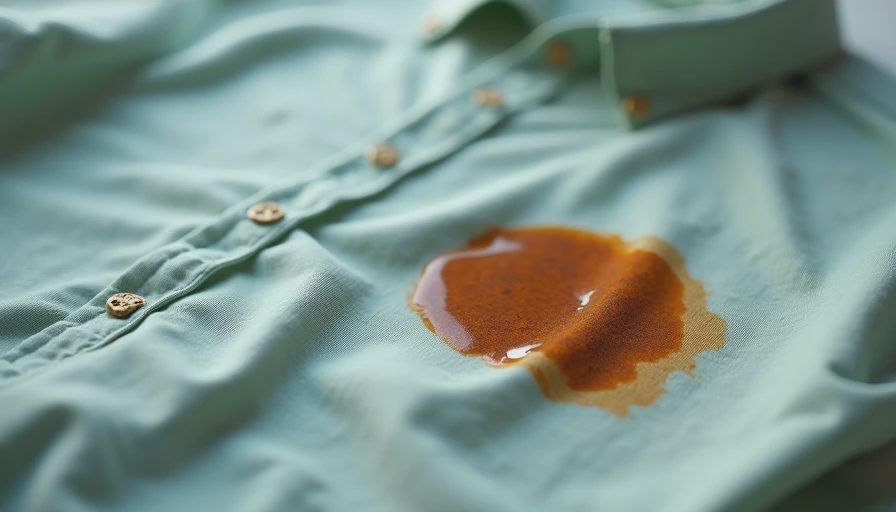
Match the treatment to the stain
Grass stains are a regular feature of recess and soccer. Rinse from the back, apply liquid laundry detergent directly to the green area, and gently work it in with your fingers or a soft toothbrush. Let it sit for 10 to 15 minutes before washing. I have had good results with unscented detergent and with products from Tide and Seventh Generation, but the method matters more than the label.
For juice, sports drinks, and ketchup, blot first and rinse with cool water. Apply detergent or a small amount of oxygen-based stain remover, following the package directions. OxiClean is useful for many washable whites, but test a hidden area on clothing with colored trim or printed graphics. Bright white does not mean every part of the garment can handle the same product.
Chocolate and greasy lunch stains need a different approach. Scrape away any solid residue, place a drop of grease-cutting dish soap on the spot, and rinse thoroughly after several minutes. Then wash according to the care label. Dish soap can be effective, but using too much creates a sudsy washer problem and leaves residue behind.
For blood, rinse with cold water immediately and use an enzyme-based laundry pre-treater if the fabric allows it. Do not use hot water first. If the mark is old, soak the item in cool water with a suitable oxygen cleaner, then wash and inspect it before drying.
Cleaning stains on white clothes is not a contest to see how much bleach one shirt can survive. Chlorine bleach can weaken fibers, yellow some fabrics, and damage elastic. Use it only when the care label permits it and measure carefully. Oxygen-based products are often a gentler first choice for cotton kids' clothing.
Washing without setting the stain
After pretreating, wash the garment at the warmest temperature allowed by its care label. Cold water is safer for many fabrics, but warm water can help remove body oil and food residue from sturdy cotton. Use the correct amount of detergent; more soap does not automatically mean cleaner clothes.
Avoid stuffing the washer until clothes cannot move. A tightly packed drum prevents water and detergent from reaching the stained area. For a small child's shirt, washing with a moderate load of similar whites usually gives better results than cramming it in with towels, jeans, and a soccer uniform.
Before moving the shirt to the dryer, inspect it under good light. Cleaning stains on white clothes is only complete when the mark is actually gone. If you can still see a yellow, green, or gray shadow, repeat the treatment and wash again. Air-drying on a hanger or drying rack is the safest inspection step because it avoids setting leftover discoloration with heat.
The sun can help brighten damp white cotton, especially after washing, but do not leave delicate fabric outside all day. Several hours is plenty. Direct sunlight can fade printed details and weaken some materials over time.
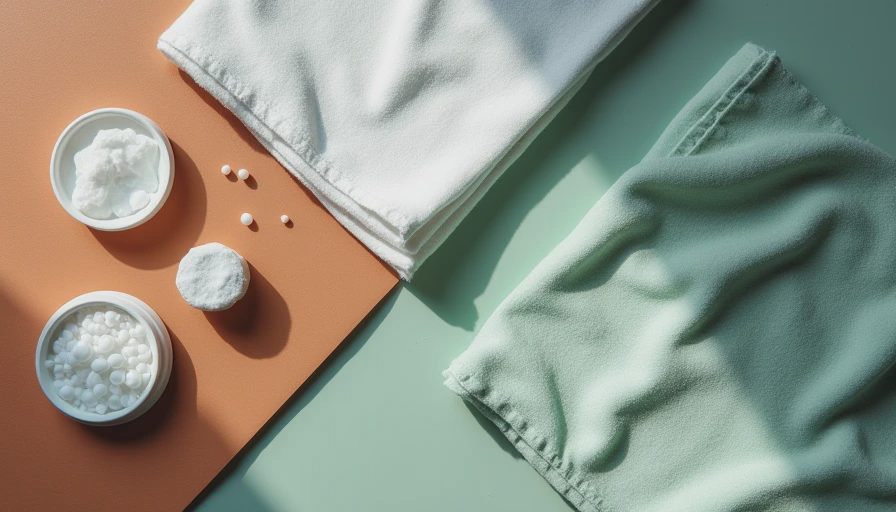
What to do with mystery stains
Mystery stains are the ones that appear after school with no witness, explanation, or useful clue. Start with the mildest reasonable option: cool-water rinse, liquid detergent, and a short wait. If the spot looks oily, try a tiny amount of dish soap. If it looks like grass or food, use an oxygen-based pre-treater.
Do not pile five products onto the same area. That makes it harder to know what worked and increases the risk of fabric damage. Take a quick photo before treating if the clothing is expensive or sentimental. A picture helps you remember the original location after soaking, especially when the shirt is covered in water and bubbles.
For a stubborn mark, soak the garment according to the stain remover instructions, then wash it separately or with other whites. Give it the three-wash minimum before deciding whether the clothing is finished. In my experience, some marks fade gradually rather than disappearing in one dramatic cycle.
The Donovan household laundry routine
The Donovan household rule is that every child has a stain station, even if it is just a small basket beside the washer. Clothes with obvious spots go there instead of disappearing under pajamas. I keep detergent, a soft toothbrush, and a measuring spoon nearby. That setup costs very little and saves the frantic search for supplies at 8 p.m.
Our routine is straightforward. First, empty pockets and shake off playground dirt. Second, check the care label. Third, treat the stain while it is fresh. Fourth, wash with enough room for the load to move. Fifth, inspect before drying. That sequence handles most grass, food, juice, mud, and everyday school stains without turning laundry into a weekend project.
Cleaning stains on white clothes also gets easier when you buy fabric that can take ordinary life. Midweight cotton shirts, reinforced collars, and simple designs usually outlast delicate pieces with thin fabric or complicated decorations. I was wrong about buying the cheapest white tees in bulk; several stretched at the neck after a few washes. A slightly sturdier shirt costing $3 to $6 more often gives a better cost per wear.
When a garment finally enters the cardboard box labeled THE GRAVEYARD, I tag it with the cause of death. “Permanent marker,” “mud plus missed dryer inspection,” and “mystery orange” are common entries. The goal is not perfect laundry. The goal is fewer good clothes lost to a rushed decision.
Cleaning stains on white clothes is a repeatable chore, not a reason to panic. Blot quickly, rinse intelligently, choose a treatment that fits the stain, and inspect before heat. Your kid can still run through the grass, spill the fruit punch, and come home looking presentable the next time around.
Recess-tested. Dad-approved.




No comments yet — be the first to share a thought.