Tuesday morning, 7:42, and Hallie is standing by the door wearing one clean sock, a backpack, and jeans that look like they lost a wrestling match with the backyard. If you need to know how to get rid of mud stains on clothes, you are in the right place. I have handled this problem after recess, soccer practice, rainy hikes, and one memorable afternoon when Asher sat directly in a flower bed because the dirt was “soft.”
The good news is that mud is usually manageable. The bad news is that rushing it can push the stain deeper into the fabric. The Donovan household rule is simple: let the mud dry, remove what you can, treat the mark, then wash according to the care label. That order has saved more shirts than expensive stain removers ever did.
Let the mud dry before you attack it
Fresh mud looks like an emergency, but rubbing it immediately is often the wrong move. Wet mud spreads across clean fabric and works into the spaces between fibers. If the clothing is damp, lay it flat or hang it over a chair until the mud becomes completely dry. For thick clumps, an hour or two is often enough. A heavily soaked pair of jeans might need overnight drying.
Once the dirt is hard, take the garment outside and shake it. Use a dull butter knife, an old credit card, or the edge of a spoon to lift the crust. Work from the outside of the stain toward the center so you do not create a larger brown ring. A soft toothbrush works well around cuffs, knees, and pocket seams. Do not use a sharp knife; it can cut cotton jersey or scratch a water-resistant coating.
This dry-first step is the part most people skip, especially when the school bus arrives in eight minutes. I have skipped it too. The result was a muddy sweatshirt that needed two extra treatments instead of one.
How to get rid of mud stains on clothes with detergent
After the loose dirt is gone, rinse the stained area from the back of the fabric with cool running water. Rinsing from behind helps push soil out instead of driving it farther into the shirt. Avoid hot water at this stage, particularly if the mud contains grass, because heat can make some organic stains more stubborn.
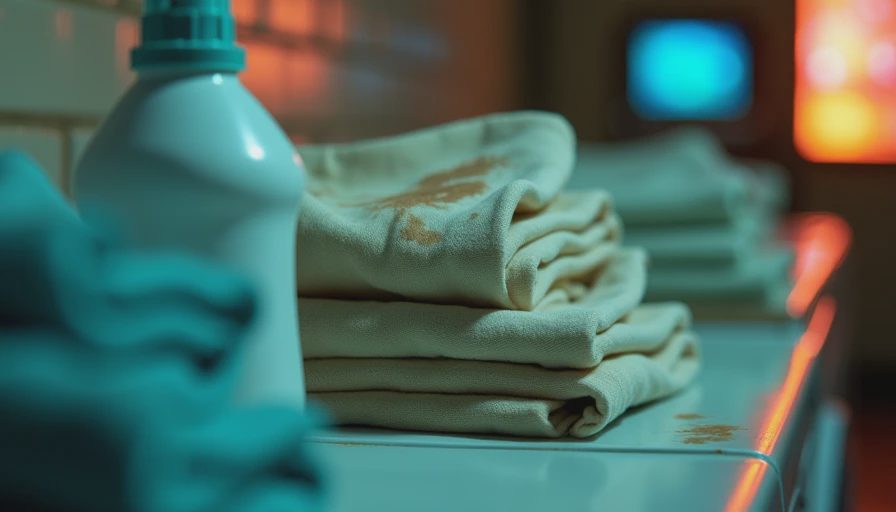
Apply a small amount of liquid laundry detergent directly to the mark. A standard product such as Tide Free & Gentle, All, or a store-brand liquid detergent is usually enough. Gently work it in with your fingers or a soft toothbrush, then leave it alone for 10 to 15 minutes. Do not pour half the bottle on the garment. More detergent does not automatically mean a cleaner shirt and can leave residue that attracts more dirt.
For white cotton socks or a sturdy white T-shirt, an oxygen-based laundry booster can add useful muscle. Follow the package directions and test a hidden area first. Do not confuse oxygen bleach with chlorine bleach. Chlorine bleach can damage elastic, weaken fibers, and create unexpected yellowing, especially on children’s stretchy clothes.
How to get rid of mud stains on clothes without damaging color
Colored clothing needs a little restraint. Before treating a navy hoodie, red soccer jersey, or printed graphic shirt, check the care tag and test your product on an inside seam. If the color transfers to a white cloth, stop and use plain detergent instead of a stronger formula.
Skip household shortcuts such as rubbing alcohol, nail polish remover, and undiluted hydrogen peroxide. Those products can fade dye or damage synthetic blends. Baking soda is fine as a mild deodorizing addition to a wash, but it is not a magic mud eraser. Scrubbing too hard can also rough up fleece and create a permanently fuzzy patch.
For a garment with a large dried patch, make a basin of cool water and detergent. Let the item soak for 20 to 30 minutes, then gently squeeze the stained section. This works particularly well on cotton sweatpants and school polos. I use this approach on Beckett’s practice clothes when the stain is broad but not deeply set.
Washing and drying the garment
Wash the treated clothing using the warmest water allowed by the care label. Cold water is safer for some dark colors and technical athletic fabrics, while warm water can help with durable cotton. Keep heavily muddy items out of an overloaded washer. Clothes need room to move, and a packed drum can leave soil trapped in cuffs and seams.
Before transferring the garment to the dryer, inspect the stain under good light. This is the most important checkpoint. If you can still see a brown or green shadow, repeat the detergent treatment and wash again. Dryer heat can set what remains and turn a fixable mark into a permanent member of the laundry pile.
I learned this lesson with a gray hoodie that had survived three soccer seasons. I tossed it into the dryer while distracted by a missing shin guard. The hoodie went into the graveyard box that night, tagged “mud, heat, poor decision.” Air-drying first costs nothing and gives you a second chance.

What works for different kids’ fabrics
Cotton is usually the easiest. Dry-brush it, pretreat with liquid detergent, and wash normally. Denim can take a little more brushing, but turn it inside out before washing to reduce fading. Fleece should be treated gently; use a soft brush and avoid aggressive scrubbing across the nap.
Polyester athletic shirts often release surface mud quickly, but grass mixed into the stain can linger. Use detergent and patience rather than high heat. For waterproof jackets, wipe off dried dirt, follow the manufacturer’s instructions, and avoid fabric softener because it can interfere with water-repellent finishes. If the care label says hand wash or dry clean, follow that instruction instead of forcing the item through a normal cycle.
Shoes and removable knee pads need separate attention. Do not throw muddy sneakers into the washer unless the manufacturer permits it. Brush off dry dirt, remove the laces, and clean the uppers with mild soap and water. Let them air-dry away from a heater, which can warp adhesives and stiffen materials.
A five-minute mud-stain routine for busy mornings
When time is short, start by scraping off every dry clump you can. Rinse the back of the stain with cool water, rub in liquid detergent, and place the item in the laundry basket with the treated spot facing outward. Tell yourself which garment needs attention before the next wash; otherwise it will disappear under towels and pajamas.
If you need how to get rid of mud stains on clothes during a school-day scramble, do not chase perfection before breakfast. Remove the bulk, prevent the stain from drying with detergent on it, and finish the process after drop-off. A small stain that receives proper treatment later is better than a large stain spread across an entire sweatshirt.
For prevention, keep an old towel by the back door, use darker play pants for wet-weather days, and teach kids to leave muddy clothes in one designated basket. I am not promising clean knees after recess. I am promising a system that keeps one muddy outfit from becoming a full laundry-room crisis.
How to get rid of mud stains on clothes comes down to three habits: dry first, treat gently, and inspect before drying. I have used that sequence on all three Donovan kids, from preschool puddles to competitive soccer. It is not glamorous, but it works, costs very little, and protects the clothes worth saving. Recess-tested. Dad-approved.




No comments yet — be the first to share a thought.