Tuesday morning, 7:42, and Asher is wearing one sock, holding a banana, and using his clean shirt to wipe the banana off his hands. That is the real test for baby designer clothes. They need to look special in a family photo, but they also need to handle car-seat straps, snack spills, crawling, and a washing machine that never gets a day off. After years of watching kids move, play, and destroy perfectly good outfits, I look at clothing differently. The label matters less than the fabric, stitching, fit, and chance of surviving the third wash.
What baby designer clothes should actually do
A designer outfit for a baby has one job beyond looking polished: it should make life easier, not create another chore. Soft cotton, smooth seams, practical snaps, and enough room around the diaper are more valuable than a tiny logo. Babies do not care whether a sweater came from Burberry, Ralph Lauren, Bonpoint, or a neighborhood children’s shop. They care whether it scratches, pinches, rides up, or gets in the way of crawling.
My first filter is movement. Can the child sit, roll, reach, and pull up without the shirt lifting to the armpits? Can a parent open the bottom snaps without removing the entire outfit? Can the pants handle a playground mulch pile? Baby designer clothes that fail those tests become expensive drawer decoration.
Price is the second filter. A $90 romper that fits for six weeks needs a different job than a $25 cotton set worn every Tuesday. For a christening, family portrait, or holiday visit, one carefully chosen piece can be worthwhile. For daycare, I want washable basics and a backup outfit in the diaper bag.
Picking fabrics that survive the laundry pile
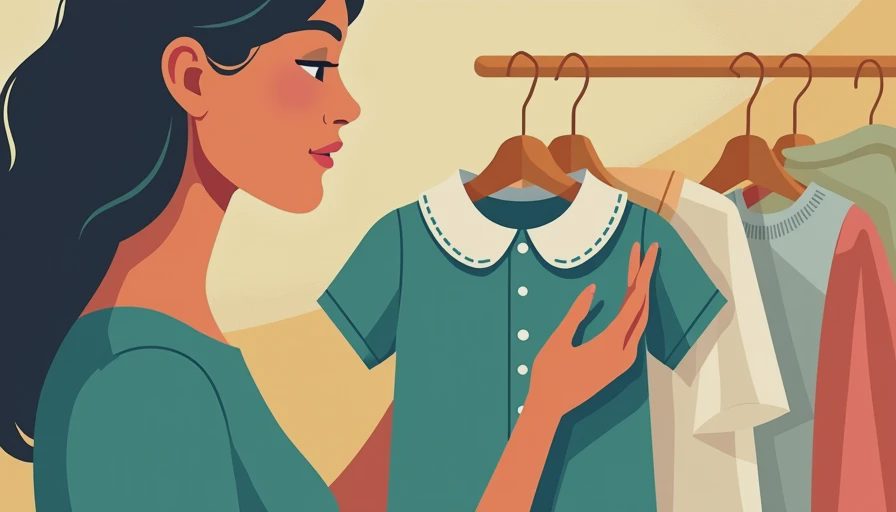
Cotton is still the safest starting point for everyday baby clothing. Look for combed or organic cotton when you want a soft hand feel, but do not assume a premium fiber automatically means stronger construction. A well-sewn cotton bodysuit from a modest brand can outlast a delicate luxury piece with loose trim. I inspect the inside: flat seams, secure snaps, and no rough tag waiting to irritate a baby’s neck.
French terry and cotton jersey are useful for busy days because they stretch without feeling flimsy. Lightweight wool can work for cool weather, especially in a cardigan or hat, but it needs gentler washing and careful storage. Cashmere is soft and expensive; it is also a poor choice for finger paint, tomato sauce, or a child who treats every puddle as a personal challenge.
Before buying baby designer clothes, read the care label. “Dry clean only” is not a small detail in a house with three children. I learned that after a beautiful little sweater entered the Donovan household and came out of the washer looking ready for a doll. It went straight into the graveyard box. A cold wash and flat-dry instruction is manageable. A complicated ritual every time is not.
Fit matters more than the size on the tag
Baby sizing is inconsistent, even within the same brand. One 12-month outfit may fit a long, lean baby perfectly while another in the same size pulls across the diaper. Measure the child’s height and weight when possible, then check the brand’s chart. If the garment is for a gift, buy for the season it will be worn rather than the age printed on the package.
Look for adjustable details that earn their space. Two rows of snaps, elastic waistbands, ribbed cuffs, and shoulder openings can add weeks of useful wear. Avoid overly narrow neck openings and stiff waistbands. A baby should not need a wrestling match before breakfast.
For baby designer clothes, I also check whether the design works with real diaper changes. A romper with six tiny buttons may photograph beautifully, but three lower snaps are usually the better engineering choice. This is where expensive clothing often gets silly: more decoration, less function. If a detail does not improve comfort, warmth, or durability, it has to justify the extra laundry trouble.
When the higher price makes sense
The best reason to spend more is often construction, not status. A stronger snap, better fabric recovery, cleaner stitching, or a lining that does not twist can make a premium item easier to use. A special outfit may also be worth the cost when it can pass from one child to another. Keep the receipt, wash it properly, and store it clean and dry after the season.
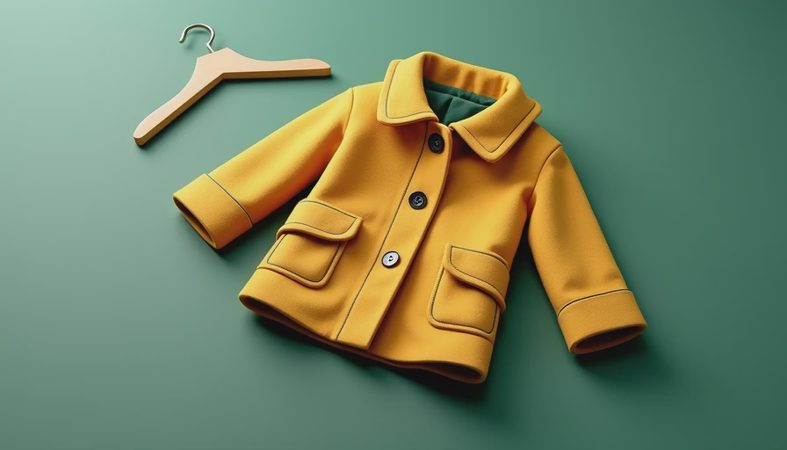
I would spend more on a coat, sturdy cardigan, or formal outfit than on a basic white bodysuit. Outer layers get repeated use and need reliable closures. A bodysuit faces stains, stretching, and rapid size changes, so value usually wins. Brands such as Petit Bateau are known for simple baby staples, while luxury labels often focus on occasion pieces. The right choice depends on the garment’s job.
Baby designer clothes become a poor purchase when the price is doing all the talking. A $160 outfit that cannot tolerate a gentle machine wash is not automatically better than a $35 set that still looks good after a month of daycare. In my house, the receipt gets judged beside the laundry results.
A three-wash test before you trust the outfit
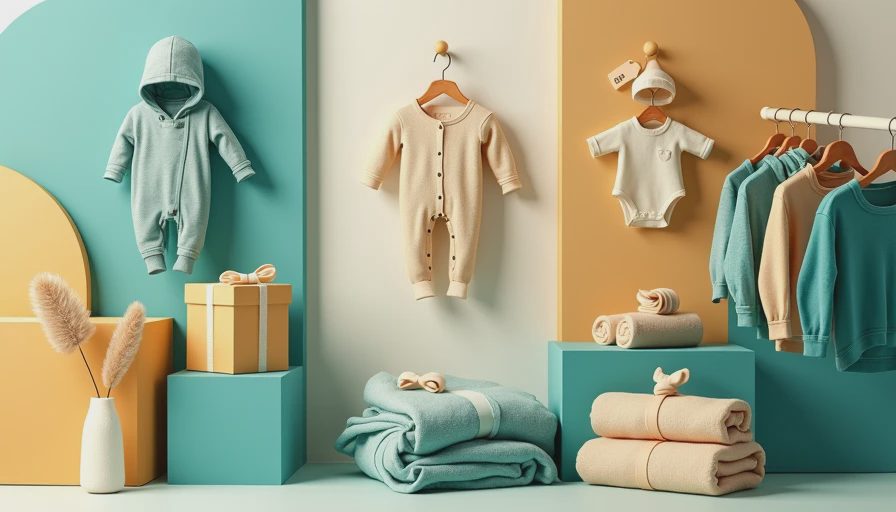
I do not recommend any baby designer clothes until they pass a three-wash minimum. First, photograph the garment and note how it fits before washing. Then wash it according to the label, using the detergent already used for the child’s other clothes. After the first wash, check for shrinking, twisting, fading, loose threads, and snaps that no longer line up.
The second wash tells you more. Does the fabric recover after stretching? Does the collar stay flat? Do food marks release without aggressive scrubbing? On the third wash, look at the places that usually fail first: knees, cuffs, seat seams, and the bottom of a bodysuit. If the item still looks neat and feels comfortable, it has earned regular rotation.
Never test a new outfit for the first time at an event. Put it on for an ordinary morning at home. Let the child crawl, eat, nap, and ride in the car seat. If the outfit survives that sequence without a tug-of-war, you have useful information before pictures are involved.
A practical buying plan for dads
Start with the calendar. Buy one special outfit for the event, two comfortable everyday outfits, and a washable layer for changing temperatures. Choose colors that work with the child’s existing shoes and jackets rather than creating a complete new wardrobe. Navy, cream, denim, gray, and soft green are easier to combine than a single-purpose novelty print.
Next, set a per-item limit. A $40 budget can cover a strong everyday outfit, while $100 or more might be reserved for a coat or ceremony piece. Shop sale sections after identifying the fabric and size you need, not just because a red markdown sticker looks exciting. If buying secondhand, inspect snaps, stains, elastic, and the inside seams. Babies grow quickly, so excellent condition matters more than a famous label.
Finally, keep one emergency outfit in the car. Baby designer clothes do not make a child spill-proof. A spare shirt, pants, socks, and small laundry bag can save a family photo, restaurant meal, or long drive. That is not glamorous advice, but it works.
The Donovan household rule is simple: buy the best construction you can afford, wash it before trusting it, and never confuse a logo with usefulness. Choose baby designer clothes when they bring comfort, durability, or a meaningful occasion to the table. Skip them when the garment demands more attention than the child. Recess-tested. Dad-approved.
No comments yet — be the first to share a thought.