Tuesday morning, 7:42, Beckett is wearing one shoe, Hallie is searching for the other, and Asher has somehow stepped in a puddle before breakfast. Buying kids designer shoes sounds like a style decision, but in our house it is really a durability test with a receipt attached. A good pair should look put-together at school, feel comfortable during a full day, and survive the sort of treatment only a four-year-old can invent.
I spent 12 years watching elementary students run, slide, climb, and trip across playgrounds. Now I watch my own three children do the same thing while I handle the laundry. That combination has taught me that expensive does not automatically mean useful. The right pair earns its place through construction, fit, and repeated wear—not a famous logo alone.
What Makes Kids Designer Shoes Worth Considering
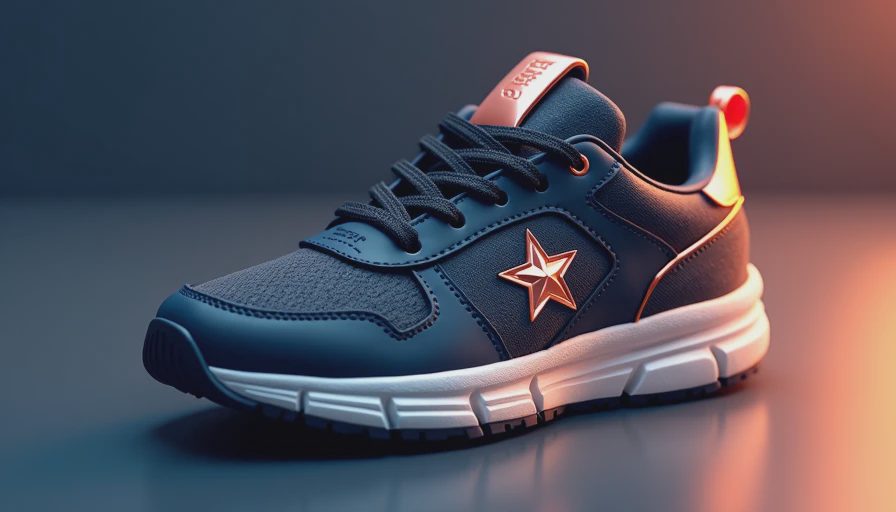
The best kids designer shoes start with practical details. Look for a flexible sole, a secure heel, enough room for the toes to spread, and materials that can be wiped clean. Leather can be handsome and reasonably durable, while canvas and synthetic uppers often handle spills with less fuss. A rubber outsole with visible tread is more important to me than a decorative buckle.
Brands such as Veja, Adidas, New Balance, Nike, and Clarks offer different versions of polished children’s footwear, from simple sneakers to school-ready loafers. Some designer labels charge more for materials, finishing, and recognizable styling. That can be worthwhile when the shoe is comfortable and sturdy enough for daily use. It is not worthwhile when your child refuses to wear it or the sole starts separating after two weeks.
The Donovan household rule is simple: if a shoe cannot handle a walk to school, a lunchroom spill, and an unexpected game of tag, it is not a daily shoe. It might still be a special-occasion pair, but it should not be sold as an everyday solution.
Fit Comes Before the Label
Kids designer shoes need to fit the actual foot in front of you, not the size printed on an old box. Children’s feet grow unevenly, and two shoes marked the same size can feel completely different. Measure both feet near the end of the day, when feet are slightly larger, and fit the bigger foot. Leave roughly a thumb’s width in front of the longest toe without allowing the heel to slide.
Have your child walk, jog, and squat in the shoes. Watch for heel lifting, toes pressing against the front, or a tongue that shifts sideways. For younger kids, hook-and-loop straps are usually faster than laces and easier for a child to manage independently. Older children may prefer laces, but only if they can tie them reliably before the morning rush.
A stiff shoe is not automatically supportive. A healthy everyday shoe should bend near the ball of the foot while staying secure around the heel. If your child complains about rubbing on the first wear, do not assume the shoe needs to be “broken in.” Blisters are a fit problem, not a parenting challenge.
Choosing a Pair for School and Recess
For regular school use, I favor kids designer shoes with a low profile, moderate cushioning, and a sturdy rubber sole. A clean white sneaker can work, but only if you are prepared for the maintenance. In our garage, white shoes meet grass, cafeteria ketchup, and Boise dust before lunchtime. A darker trim or washable upper often saves arguments later.
For a formal event, a loafer or simple dress sneaker can look sharp without trapping a child in hard soles. Avoid elaborate details that snag on playground equipment or fall off during running. Decorative straps, oversized charms, and smooth soles might photograph well, but they are poor choices for active children.
Think about the week ahead. A pair worn every weekday needs rotation if possible. Alternating two pairs gives each shoe time to air out and reduces the damage caused by wet socks, sweat, and hurried drying. Stuffing damp shoes with newspaper can help them dry, but never put leather or glued footwear directly on a hot radiator.
How Much Should You Spend?
The price of kids designer shoes can range from about $45 for a better-known sneaker to more than $150 for a luxury-label pair. Spending more makes sense when the child will wear the shoes often, the fit is excellent, and the materials justify the cost. Spending less makes sense when the child is between sizes, grows quickly, or needs a pair for one ceremony.
Before buying, divide the price by realistic wears. A $90 pair worn 60 times costs $1.50 per wear. A $140 pair worn eight times costs $17.50 per wear, even if it looks impressive in the closet. That simple calculation has stopped me from making several purchases that would have gone straight into the Graveyard.
Watch for seasonal sales at department stores, brand outlets, and reputable online retailers. Check the return policy before ordering because children’s footwear cannot be judged accurately from a product photo. Keep the box and try shoes indoors until you know the fit works. A discounted pair is not a bargain if the return window closes before your child wears it.
The Three-Wash Minimum for Shoes
I use a three-wash minimum for clothing reviews, and I apply the same patience to kids designer shoes. For washable sneakers, remove the insoles and laces, brush off dry dirt, and follow the care label. Cold water and air drying are safer than hot cycles, which can warp foam or loosen adhesives. Do not assume a machine-washable upper means the entire shoe belongs in a dryer.
For leather, wipe mud away quickly with a damp cloth and use a product made for that leather type. Avoid soaking the shoe. Let it dry at room temperature, then inspect the stitching, sole edge, and heel counter. If the outsole is wearing unevenly, the shoe may no longer be giving your child a stable base.
The first three wears tell you plenty. Does the heel stay put? Does the toe crease naturally? Can your child put the pair on without help? After three cleanings or several active days, you will know whether the shoe is a useful purchase or an expensive decoration.
My Recess-Tested Buying Checklist
When I compare kids designer shoes, I check five things before I think about appearance. First, the sole bends at the front instead of folding in the middle. Second, the tread has enough texture for wet sidewalks and gym floors. Third, the upper has no sharp seams or stiff edges where a child’s ankle will rub. Fourth, the closure is practical for the child wearing it. Fifth, the shoe can be cleaned without special equipment or a trip to a repair shop.
Then I ask Beckett, Hallie, or Asher whether they can walk and run comfortably. Children are often better testers than adults because they will immediately reject a shoe that pinches. That honesty has saved our family from several “beautiful” pairs.
A polished shoe does not have to be precious. The strongest choice is the one your child reaches for, your washer can tolerate, and your budget can replace when growth wins. Buy the fit first, the construction second, and the label third. Your kid gets a wearable pair, and you get fewer morning arguments. Recess-tested. Dad-approved.
No comments yet — be the first to share a thought.