Tuesday morning, 7:42, Beckett is wearing one shoe, Hallie cannot find her jacket, and Asher has somehow spilled yogurt on a clean shirt before breakfast. This is where boys apparel gets judged in the Donovan household. Not under store lighting. In the school drop-off lane, on the soccer sideline, and in the washing machine after a full day of ordinary kid business.
I spent 12 years teaching elementary PE in Boise, watching thousands of kids sprint, slide, climb, and wipe their hands on their shirts. Now, as a stay-at-home dad with three kids, I buy, wash, repair, and occasionally retire the clothes. The goal is simple: pieces your son will actually wear, that hold up long enough to justify the price, and that do not require a complicated morning routine.
What Makes Boys Apparel Worth Buying
The Donovan household rule is that a garment needs to solve a real problem. A school shirt should allow reaching, bending, and sitting cross-legged without riding up. Pants need enough room for running but should not drag across the playground. A hoodie should fit over a T-shirt and under a jacket without turning your child into a stuffed sleeping bag.
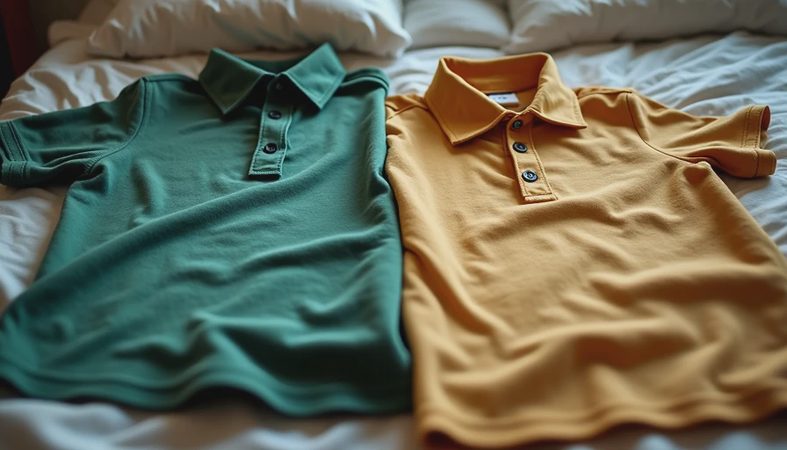
For everyday boys apparel, I look for a comfortable waistband, reinforced stitching at stress points, and fabric that does not become rough after repeated washing. Cotton blends often earn their place because a little polyester can help a shirt dry faster and keep its shape. Pure cotton feels great, but cheap versions can shrink, twist, or develop a collar that looks tired by October.
Price matters, too. A $12 shirt that survives one season can be a better buy than a $28 shirt that loses its shape after three washes. I do not chase the cheapest tag or the fanciest label. I look at cost per wear, which is the number that matters when a child reaches for the same shirt every Thursday.

The Three-Wash Test for Shirts and Hoodies
No review leaves this house before the three-wash minimum. The first wash tells me almost nothing. The second shows whether the collar is starting to move. By the third, I know whether the graphic cracks, the fabric pills, or the sleeves become strangely short.
For boys apparel, I prefer shirts with printed designs that feel smooth rather than thick and rubbery. Heavy graphics can crack after a few dryer cycles and sometimes make a shirt uncomfortable for a child who is sensitive to texture. Check the inside as well. A scratchy tag or rough seam can turn a perfectly good shirt into the one that mysteriously stays at the bottom of the drawer.
Hoodies need a separate check. Look at the cuff recovery after washing. If the sleeve stays stretched after a child pushes it up to wash hands, the hoodie will look sloppy quickly. Brands such as Hanna Andersson, Primary, Old Navy, and Cat & Jack offer different price points, but the specific item matters more than the logo. I have bought excellent pieces and disappointing pieces from the same retailer.
Pants That Can Handle Knees and Grass
Pants take more abuse than almost anything else in a kid’s closet. Knees hit the ground during tag, soccer, and the mysterious playground game called “floor is lava.” The best boys apparel for active days gives a child freedom to move while putting extra attention on knees, seat seams, and pocket openings.
Joggers are useful for school and travel because elastic cuffs stay clear of puddles and bike pedals. Look for a drawstring that is actually functional, not a decorative cord sewn into the waistband. For younger kids, an elastic waist is faster during bathroom emergencies. Straight-leg pants can work well for dressier days, but the hem should stop above the shoe sole. Extra length is helpful; fabric under a sneaker is a tripping hazard.
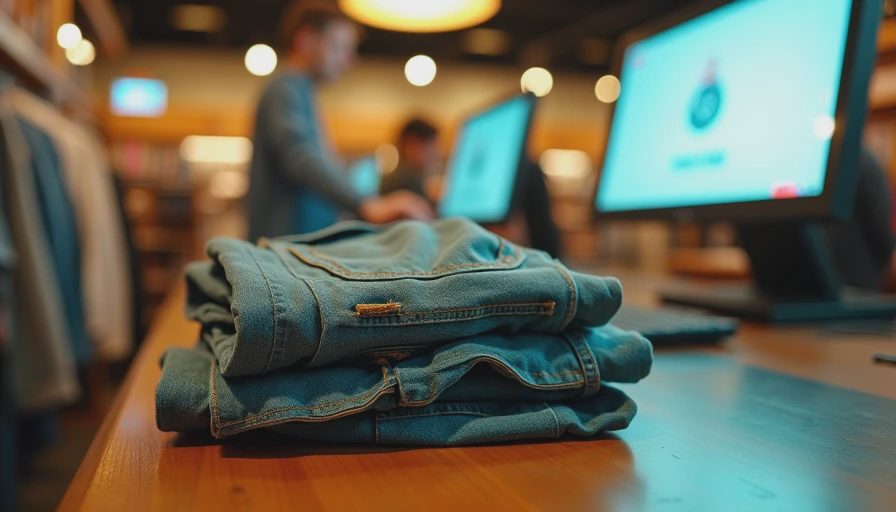
Denim can last, but stiff jeans are often rejected by kids who spend the day sitting on the floor. A small amount of stretch makes a real difference. Before buying, have your child squat, sit, and raise one knee. If the waistband cuts in at home, it will be worse during recess.
Building a Week Without Overbuying
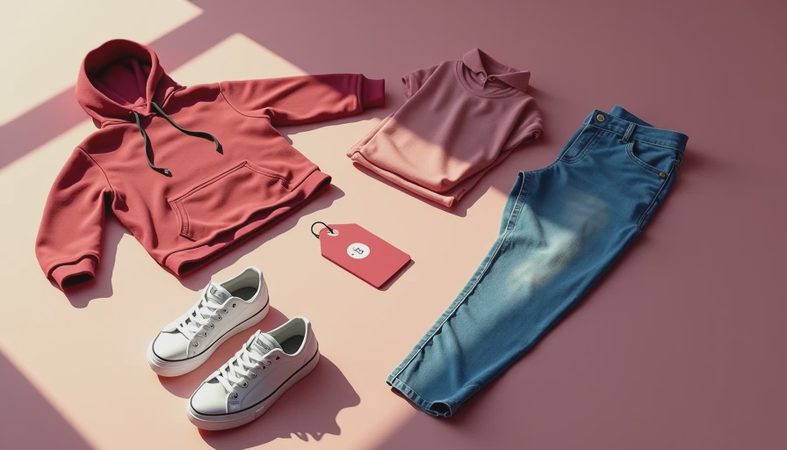
A practical school week does not require a closet full of matching outfits. Start with enough everyday boys apparel for five school days, then add two backup outfits for spills, weather, and the inevitable mystery stain. In our house, that usually means seven or eight shirts, five pairs of school-ready pants, two hoodies, one warmer layer, and dependable play clothes for after school.
Keep the colors and patterns compatible enough that a child can dress without a morning conference. Navy, gray, olive, denim, and black bottoms do the heavy lifting. Shirts can carry the personality: dinosaurs, space, sports, bright stripes, or whatever your child currently considers important. I have learned not to buy a week of a theme just because it is popular on Saturday. Children change their minds faster than laundry dries.
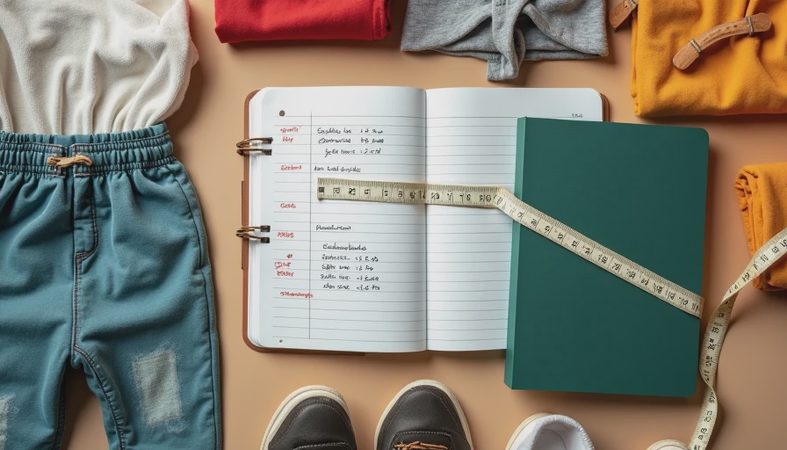
Buy in stages instead of replacing everything at once. At the start of the school year, measure sleeves, waist, and inseam. Then check again after a growth spurt. Spending $80 on four useful pieces is smarter than spending $150 on clothes that fit for three weeks.
Clothing for Sports, Weather, and Messes
School clothes and sports clothes do not need to be identical. A cotton T-shirt may be perfect for reading time but heavy after a sweaty soccer practice. For active afternoons, moisture-managing blends from brands such as Nike, Adidas, Under Armour, or store brands can be practical, especially when the shirt must dry overnight. You do not need a professional athlete’s wardrobe for a ten-year-old. Two or three reliable athletic tops are usually enough.
Layering handles changing weather better than buying a special outfit for every forecast. A T-shirt under a lightweight fleece works for cool mornings, while a packable rain shell can save a day when the forecast changes. Avoid oversized coats that swallow a child’s hands or sleeves. A proper cuff lets a child grip playground equipment safely.
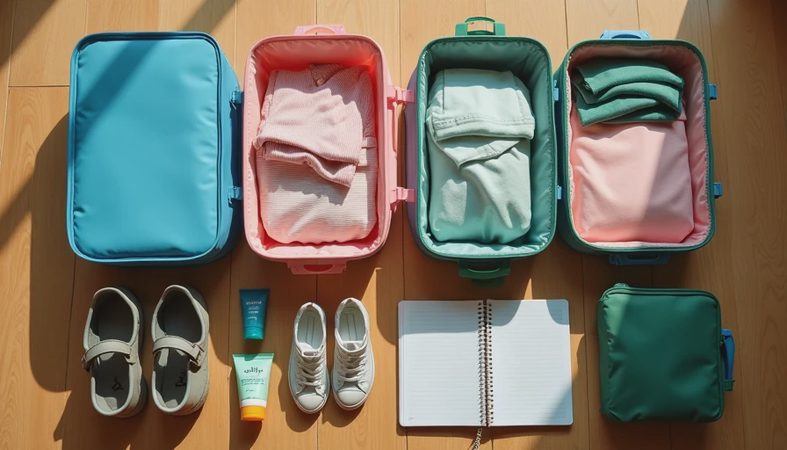
We also keep one complete backup outfit in the school bag during messy months. It costs very little and has rescued us from spilled chocolate milk, wet slides, and a bathroom accident that nobody wants discussed at pickup. Good boys apparel is useful when it is available at the exact moment the day goes sideways.
What Goes in the Graveyard
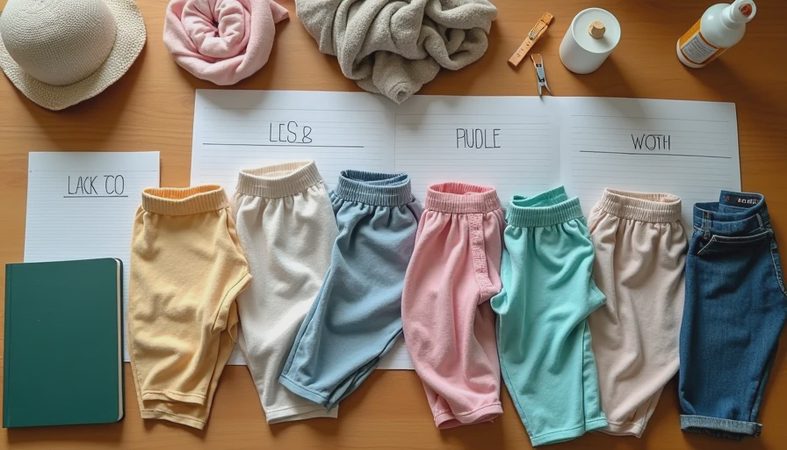
Our garage box is labeled “THE GRAVEYARD.” Every retired garment gets a cause of death and a date. One sweatshirt died from a zipper that separated after six weeks. A pair of pants lost both knees. A favorite shirt became a crop top after an aggressive dryer cycle. The records are funny, but they also show where our money is going.
Before replacing a failed item, ask what failed first. If knees wear out, buy reinforced pants or reserve the current pair for home play. If shirts shrink, wash cold and dry on low, or choose a roomier cut. If your child refuses a fabric, stop buying it. A bargain is not a bargain when it stays clean and unworn in a drawer.
This approach makes shopping faster. I can walk into Target, Old Navy, Walmart, or a resale shop with a short list instead of wandering through every rack. I know the sizes, fabrics, and features that have worked for our kids. The right boys apparel is not about building a perfect wardrobe. It is about reducing morning arguments and keeping clothes in service longer.
A Dad’s Final Shopping Checklist
Before paying, check five things: Can your child move comfortably? Can the garment survive three washes? Is the price sensible for how often it will be worn? Does the fabric suit the weather and activity? Will your child choose it without a negotiation?
For online orders, read the size chart rather than trusting the age label. A “size 8” can fit very differently across brands. Measure a shirt your child already loves and compare chest width and length. When the package arrives, inspect seams, closures, and any scratchy interior labels before removing tags.
The best boys apparel earns repeat wear. It comes home with grass stains, gets washed on Saturday, and is ready for Monday. That is a better test than a polished product photo. From my years on a school playground to our current laundry pile, I have found that durable basics, sensible prices, and a little attention to fit beat complicated style advice every time.
Recess-tested. Dad-approved.
No comments yet — be the first to share a thought.