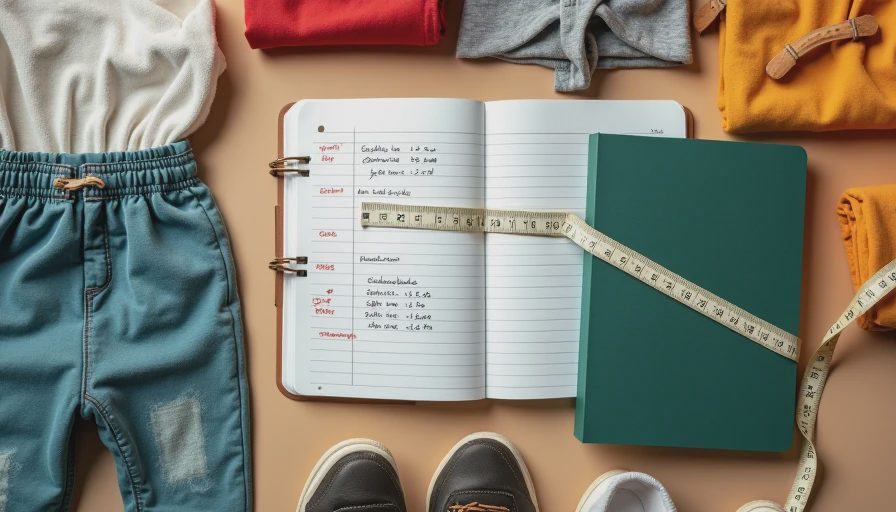
The Sizing Struggle Is Real
Kids grow at unpredictable rates. Sizes vary wildly between brands. What fits one child perfectly is comically large or painfully small on another. After too many returns and wasted purchases, I created a simple system that works for our family.
The Core Problem
Standard size charts don’t account for:
Different growth patterns (tall vs stocky)
Brand inconsistencies
Seasonal changes (kids grow more in summer)
Hand-me-down timing
My Measurement-Based System
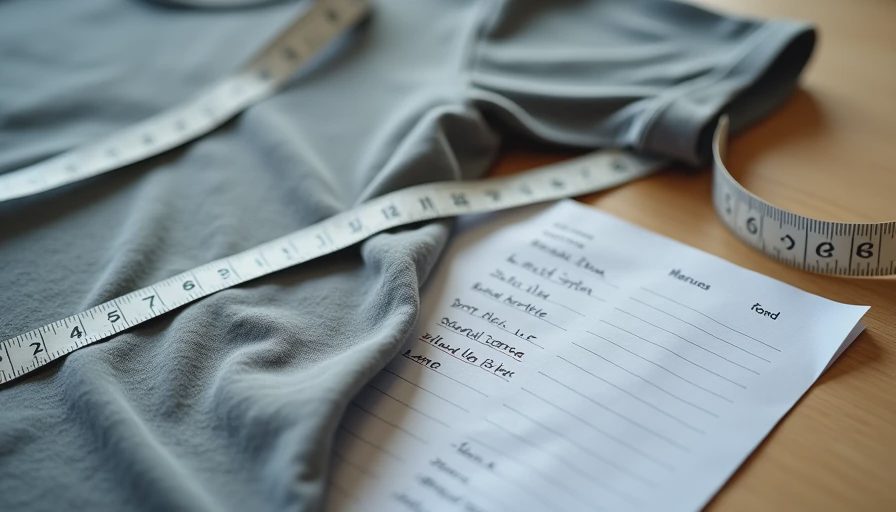
I keep a simple notebook with current measurements for each child:
Key Measurements:
Chest
Waist
Inseam
Height
Weight (helpful for some brands)
I update these every 2-3 months or when clothes start looking tight/short.
Brand Cheat Sheet
I maintain notes on how different brands run:
Target runs small in some lines
Certain outdoor brands run large
Some “slim fit” options work better for Beckett
This living document saves me from repeated mistakes.
The Try-Before-You-Buy Rule
Whenever possible:
Check in-store sizing
Have the child try things on
Buy one item first to test fit before buying multiples
For online purchases, I order two sizes and return the one that doesn’t work.
Growth Spurt Preparation
I watch for signs of growth spurts:
Sudden increase in appetite
Pants becoming high-waters quickly
Comments about clothes feeling tight
When I see these signs, I buy slightly larger in key items (shoes, pants, jackets).
Hand-Me-Down Sizing Strategy
When passing clothes down:
Check measurements, not just age labels
Account for different body types between kids
Wash and inspect before storing for next child
Current System in Practice
For each season, I:
Take measurements
Review the brand cheat sheet
Make a targeted shopping list
Buy core items in slightly larger sizes for longevity
Fill in with hand-me-downs where possible
Tools That Help
Soft measuring tape
Simple notebook or phone notes app
Regular photo documentation of kids in current clothes
Honest conversations with the kids about what feels comfortable
What I’ve Saved
This system has dramatically reduced returns and wasted purchases. More importantly, the kids are more comfortable in their clothes, which means fewer meltdowns about getting dressed.
Advice for Other Dads
Start simple. Measure your kids once and note how current clothes fit. Build your own brand cheat sheet over time. It gets easier and more accurate with each season.
Don’t rely on age-based sizing alone. Your child is unique — their clothes should fit them, not an average chart.
Recess-tested. Dad-approved.





No comments yet — be the first to share a thought.