Tuesday morning, 7:42, and Beckett is standing by the back door wearing one shoe, a backpack, and a pair of jeans covered in dirt stains from yesterday's slide tackle. Hallie is looking for her jacket. Asher has somehow wiped both hands on his clean shirt. This is not a laundry emergency. It is a normal school week.
After 12 years watching elementary kids sprint, slide, kneel, and tumble through recess, I learned that dirt stains are usually easier to remove than they look. The trick is not attacking them with every cleaner under the sink. The trick is letting the mud dry, removing the loose soil, and washing the fabric at the right temperature. Here is the routine that survives the Donovan household laundry pile.
Start With Dry Dirt, Not a Wet Scrub
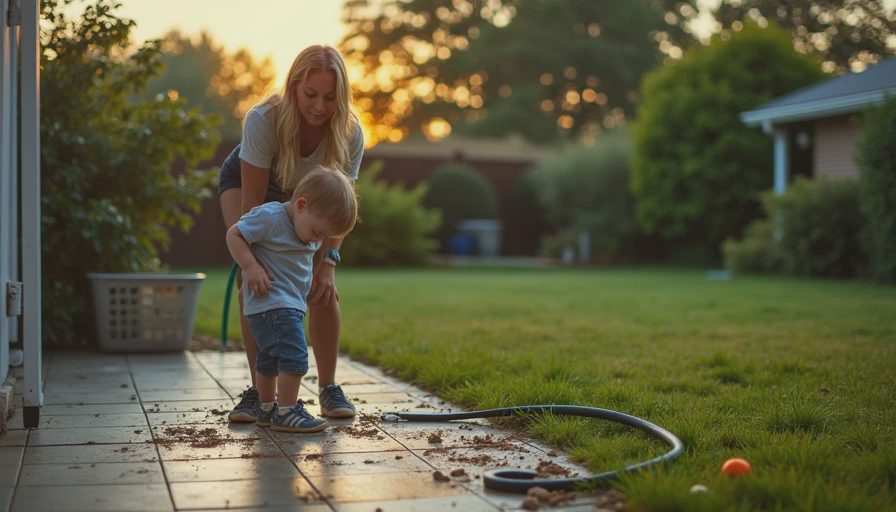
The worst first move is rubbing a muddy knee while it is still wet. That pushes soil deeper into the fibers and spreads a small mark across a much larger area. Let the garment dry completely, preferably in a laundry room or on a covered porch. A sunny windowsill is useful for drying, but do not rely on sunlight alone to remove the mark.
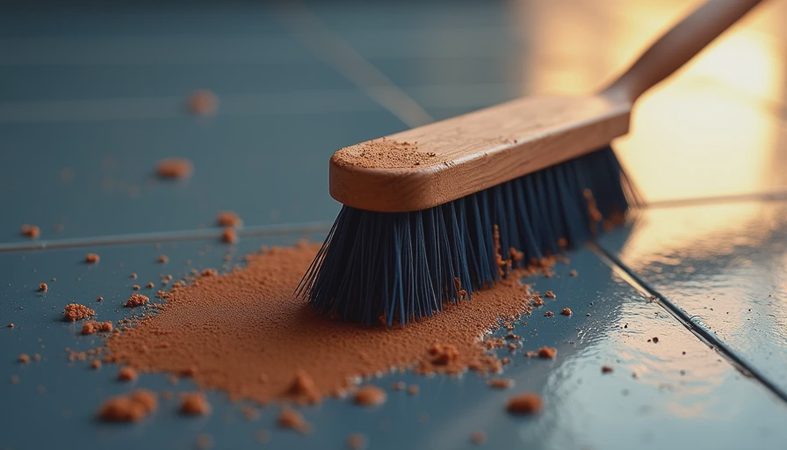
Once the mud is dry, take the garment outside and snap it gently. Use an old toothbrush, a soft nailbrush, or the edge of a plastic spoon to loosen the crust. Work from the outside of the spot toward the center so you do not make a ring around it. For heavy dirt stains, a dull butter knife can lift thick clumps from denim or canvas. Keep the pressure light; aggressive scraping can rough up cotton and leave a faded patch.
Check the care label before moving on. Cotton play clothes can usually handle a normal wash cycle, while wool, lined jackets, waterproof pants, and delicate blends need a gentler plan. Empty every pocket first. I have personally washed enough playground gravel to fill a small flowerpot.
The Pre-Treatment That Actually Helps
After the loose soil is gone, rinse the back of the fabric with cool running water. Rinsing from behind pushes the remaining dirt outward instead of driving it farther into the shirt. Do not use hot water at this stage if the stain contains grass, food, or an unknown playground mystery. Heat can help set some stains before detergent gets a chance to work.
Apply a small amount of liquid laundry detergent directly to the damp spot. Brands such as Tide, Persil, and Seventh Generation all make liquid detergents that work well for ordinary washable play clothes. You do not need a handful of product. A teaspoon is enough for a child-sized knee mark. Gently work it in with your fingers or a soft brush, then let it sit for 10 to 15 minutes.
For stubborn dirt stains on white cotton, an oxygen-based laundry booster can be useful. OxiClean and similar products are different from chlorine bleach and are generally less harsh on colored clothing, but follow the package directions and test an inside seam first. Never combine bleach with ammonia, vinegar, or other cleaners. Laundry-room chemistry is not the place to improvise.
Match the Method to the Clothing
Jeans and thick cotton joggers are usually the easiest garments to rescue. Pre-treat the knees, turn the pants inside out, and wash them with a regular load. A normal or heavy-duty cycle is fine when the care label permits it. For athletic shorts and moisture-wicking shirts, use detergent without fabric softener. Softener can coat performance fibers and reduce their ability to move sweat away from the skin.
White T-shirts deserve a little more attention. If dirt stains remain after pre-treatment, soak the shirt in warm water with an oxygen booster for the time listed on the product label. Then wash and inspect it before using the dryer. Colored shirts should be tested in an inconspicuous spot, especially if they are dark red, navy, or heavily printed.
Waterproof pants and rain jackets are different. Scrub only the dirty exterior with mild detergent and a soft cloth, then rinse thoroughly. Avoid fabric softener because it can interfere with the garment's water-resistant finish. Hang the item to dry unless the care label specifically allows machine drying.
Inspect Before the Dryer
The dryer is where many almost-clean clothes become permanent laundry failures. Heat can set leftover dirt, grass, paint, and food marks. After washing, hold the garment near a window or bright laundry-room light. If you can still see dirt stains, repeat the pre-treatment before drying.
This inspection takes less than a minute and saves money. A $12 pair of school pants does not need to become a $40 replacement because somebody rushed the laundry. In our house, the Donovan household rule is simple: clean first, dry second. Beckett knows this rule now, although he still forgets to turn his pockets inside out.
If a faint shadow remains, do not panic. Run the garment through another wash with detergent, or soak it before trying again. Avoid ironing the area until it is completely clean. An iron can press the remaining mark into the fibers just as efficiently as a dryer.

What Not to Use on Playground Clothes
Skip household shortcuts that sound tougher than they are. Undiluted dish soap can leave residue, especially in a high-efficiency washer. Toothpaste, shaving cream, and random internet mixtures are not reliable laundry treatments. They can add fragrance, oils, or bleaching agents without giving you a clear way to rinse them out.
Chlorine bleach also deserves caution. It can weaken fabric, damage elastic, and turn some stains yellow instead of removing them. It is especially risky on kids' clothes with stretch panels, screen prints, or colored stitching. If you use bleach on a compatible white item, measure it carefully and follow the label. More cleaner does not mean more clean.
For dirt stains mixed with blood from a scraped knee, rinse with cold water first and use an enzyme-based detergent if the care label allows. For paint, identify whether it is washable school paint or a stronger craft product before treating it. When the stain is oil-based, a professional cleaner may be safer than experimenting on a favorite hoodie.
Build a Recess-Proof Laundry Routine
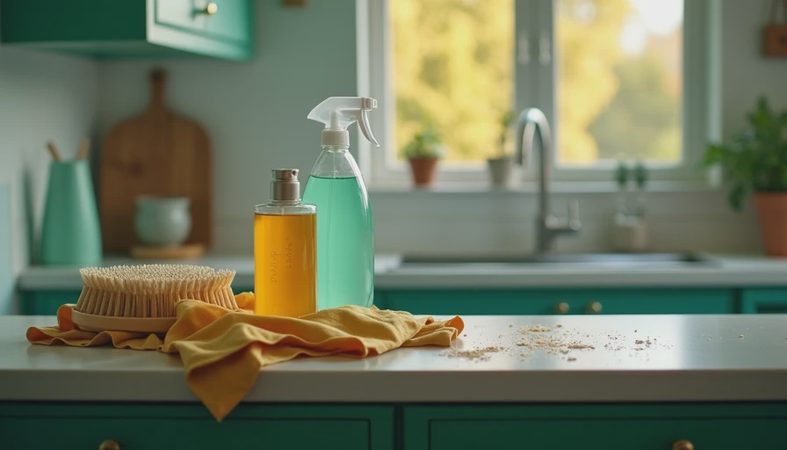
The easiest stain is the one you handle before the laundry basket becomes a science project. Keep a small brush, liquid detergent, and oxygen booster near the washer. When the kids come home, shake out muddy clothes before placing them in the hamper. If something is heavily soiled, leave it beside the washer with a note or clothespin so it does not disappear under towels.
Buy play clothes with fabric and construction in mind. Dark denim, heathered gray, navy cotton, and patterned shirts hide ordinary playground wear better than bright white. Reinforced knees, substantial pocket stitching, and elastic that survives repeated washing matter more than a trendy logo. Brands such as Cat & Jack, Old Navy, Carter's, and Primary offer practical basics at different price points, but the real test is how the garment looks after three washes.
If dirt stains keep returning to one pair of pants, the issue may be the garment rather than your technique. Thin fabric holds rough marks and wears through at the knees. That pair belongs in the garage-play category, not the school-photo category. No shame in that. A good clothing system gives each item a job.
Dirt stains are part of the playground uniform. Treat them promptly, use the mildest effective method, and inspect clothes before the dryer. You will save replacement money, protect the fabric, and spend less time kneeling in front of the washer like it owes you an explanation. Recess-tested. Dad-approved.

No comments yet — be the first to share a thought.