Tuesday morning, 7:42, and Beckett has one shoe on, Hallie cannot find her jacket, and Asher is wearing yesterday’s soccer pants. Then I see the knees: two brown mud patches, still damp, spreading across the fabric. If you need to know how to remove mud stains, start by not throwing the clothes straight into the washer. That turns a playground problem into a dryer-baked problem.
After 12 years watching kids slide through recess and four years running the Donovan household laundry, I have learned that mud is usually manageable. The winning approach is simple: let the thick dirt dry, knock it off, rinse from the back, treat the remaining mark, and wash before heat touches it. This works for cotton tees, cotton-polyester uniforms, soccer shorts, and most everyday play clothes.
The first move: let the mud dry
Fresh mud looks like the emergency. It usually is not. Wet mud smears, pushes deeper into fibers, and creates a larger brown patch when you rub it. Set the garment on an old towel or hang it over the laundry sink. Give it a few hours to dry completely. A sunny window helps, but do not bake a delicate garment in direct heat for half a day.
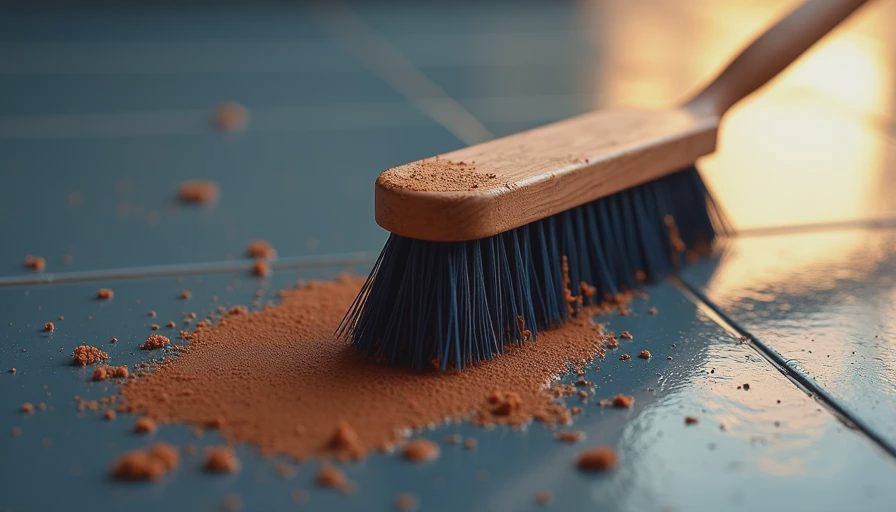
Once the mud is dry and crusty, take the item outside and snap it gently. Use a soft clothing brush, an old toothbrush, or the edge of a spoon to lift the loose dirt. Work from the outside of the stain toward the center so you do not spread it across a clean section. For thick clumps, a butter knife works better than fingernails and is less likely to damage the knit.
This dry-first step is the part I skipped most often when I was new to full-time laundry duty. I would see a muddy knee, attack it with water, and create a tan sleeve or a brown stripe down the leg. The dry mud came off in seconds once I stopped treating it like wet cement.
How to remove mud stains with laundry detergent
After the loose dirt is gone, turn the garment inside out and rinse the stained area under cool running water. Aim the water at the back of the fabric. You are pushing the mud out instead of driving it farther in. Avoid hot water at this stage, especially if the stain contains grass, because heat can make some plant-based marks harder to remove.
Apply a small amount of liquid laundry detergent directly to the stain. Tide, Persil, and free-and-clear store brands can all work; the important part is the detergent, not the logo. Massage it gently with your fingers or a soft toothbrush, then let it sit for 10 to 15 minutes. Do not scrub a printed design aggressively. On a graphic tee, place a towel behind the stain and work from the plain fabric side.
Rinse the pretreatment and wash according to the care label. For ordinary cotton play clothes, a normal cycle with cool or warm water is usually enough. Use the amount of detergent listed for the load size rather than pouring extra. More soap does not automatically mean cleaner clothes; excess detergent can leave residue that traps dirt during the next recess.
Before the garment goes into the dryer, inspect the knees, cuffs, and pocket edges in good light. If the mark remains, repeat the treatment. The Donovan household rule is that a stain gets two chances before heat, not one chance followed by a high-temperature dryer.
What to use on stubborn or set-in mud
For a stain that survived the first wash, soak the garment in cool water with an oxygen-based laundry booster. Products such as OxiClean Versatile Stain Remover are commonly used for washable fabrics, but follow the package directions and the clothing label. A two- to six-hour soak can loosen old dirt without the harshness of chlorine bleach. Test a hidden area first if the garment is dark, bright, or made from an unusual fabric.
A paste of detergent and a little water can help on heavy cotton, such as denim or canvas pants. Spread it over the mark, wait 15 minutes, and wash again. Skip chlorine bleach on colored clothing unless the label specifically permits it. Bleach can strip color, weaken fibers, and leave a pale outline where the mud used to be. That is how shirts end up in my cardboard box labeled THE GRAVEYARD.
Do not mix stain removers, bleach, ammonia, or other cleaning chemicals. One product at a time is safer and easier to evaluate. If the item is wool, silk, leather, or labeled dry-clean-only, use the care instructions instead of treating it like a soccer jersey.

How to remove mud stains from shoes and outerwear
Mud on a rain jacket, fleece, or sneaker needs a slightly different plan. Let the mud dry, brush away the crust, and wipe the area with a damp cloth. For washable outerwear, use a small amount of mild detergent and rinse thoroughly. Avoid fabric softener on technical jackets because it can interfere with water-resistant finishes.
For canvas sneakers, remove the laces and dry-brush the shoes first. Use a soft brush with cool water and diluted detergent, then blot rather than soak the entire shoe. Stuffing the shoes with paper towels helps them hold their shape while drying. Keep sneakers away from a hot dryer or radiator; heat can shrink materials and loosen adhesives.
For rubber boots, a hose and soft brush usually handle the job. Let them air-dry naturally. If a coat has a waterproof membrane or special finish, follow the manufacturer’s instructions before using an oxygen booster or strong cleaner.
How to prevent the next mud-stain disaster
You cannot outsmart every puddle, but you can lower the laundry bill. Keep a washable pair of play pants near the back door during wet weather. A $12 pair of dark joggers is a better playground uniform than the khaki pants needed for a school concert. Add a small hook or basket for muddy shoes so they do not land on the clean laundry pile.
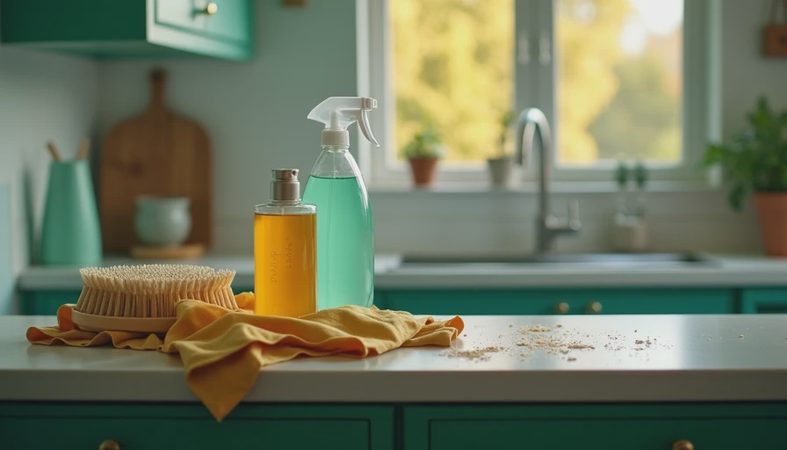
At pickup, check knees and cuffs before the clothing joins the hamper. If you see wet mud, hang the item open instead of balling it up. Dried mud is easier to remove than damp mud trapped overnight in a tight wad. I also keep an old toothbrush, a stain stick, and a towel beside the washer. Convenience matters when a child is asking for a snack while you are trying to start dinner.
A quick routine that actually works
When someone asks how to remove mud stains, I give the same six-step answer: dry the mud, brush off the chunks, rinse from the back with cool water, apply liquid detergent, wash by the care label, and air-dry until you confirm the stain is gone. If the brown shadow remains, repeat or use an oxygen-based soak before drying.
This routine has rescued Beckett’s soccer pants, Hallie’s favorite pink sweatshirt, and more than one pair of Asher’s knees. It does not require a laundry room full of expensive products. It requires patience for about 15 minutes and the discipline to inspect clothing before the dryer.
Mud is part of the deal when kids are doing childhood correctly. The goal is not spotless clothes after every recess. The goal is clothes that survive the playground, the washer, and the next growth spurt. Recess-tested. Dad-approved.

No comments yet — be the first to share a thought.