Tuesday afternoon, 3:18, and Asher came through the back door looking like he had lost a wrestling match with the soccer field. His knees, sleeves, and one impressive stripe across his back were brown. Learning how to get mud stains out of clothes starts with one rule: do not throw fresh, muddy clothing straight into the washer. That turns loose dirt into a machine-washed souvenir.
I have handled this job through twelve years of elementary PE and four years as the Donovan household laundry manager. The method is simple: let the mud dry, remove what you can, rinse from the back, pretreat, and wash with the warmest safe water. It works on jeans, cotton T-shirts, soccer shorts, and most sturdy school clothes.
Let the mud dry before touching it
Wet mud spreads. Dry mud flakes. That difference saves shirts.
Lay the garment on an old towel or over the edge of a laundry sink. Give it time to dry completely, usually a few hours or overnight. Do not rub the stain while it is wet, and do not use a hair dryer to speed things up. Heat can make the remaining grime harder to remove, while rubbing pushes particles farther into the fabric.
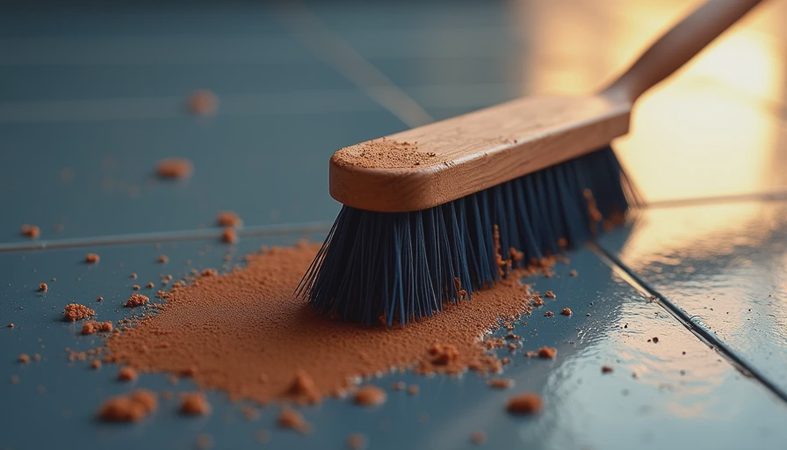
Once dry, take the clothing outside or over a trash can and shake it firmly. Use a dull butter knife, an old credit card, or a soft-bristled toothbrush to lift the crust. Work from the outside of the mark toward the center so you do not create a larger ring. On denim or canvas, a dry scrub with a nail brush can loosen stubborn dirt. Use less force on thin jersey fabric, which can stretch or pill.
How to get mud stains out of clothes without setting them
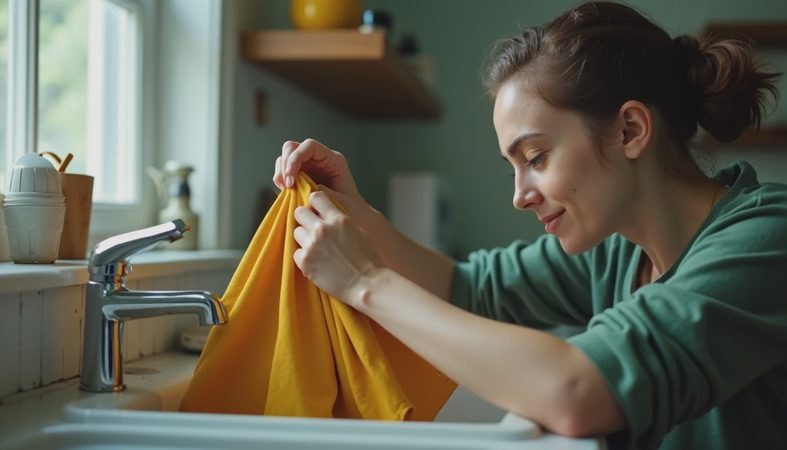
After the dry mud is gone, turn the garment inside out. Hold the back of the stain under cool or lukewarm running water. The water should push dirt out through the front rather than drive it deeper into the fibers. Keep rinsing until the water looks mostly clear.
Next, apply a small amount of liquid laundry detergent directly to the mark. A product such as Tide Free & Gentle, Persil, or a store-brand liquid detergent can work well. Gently work it in with your fingers or a soft toothbrush, then leave it for 10 to 15 minutes. For a white cotton shirt, an oxygen-based laundry booster can help with a lingering brown shadow. Follow the package directions and avoid mixing cleaners.
Skip chlorine bleach unless the care label specifically supports it. Bleach can weaken fabric, damage elastic, and create uneven color on children’s clothes. Never combine bleach with vinegar, ammonia, or other cleaning products. One product at a time is the safe play.
Match the treatment to the clothing
Cotton is usually forgiving. After scraping and pretreating, wash a cotton hoodie or T-shirt according to its care label. Warm water often handles a ground-in stain better than cold water, but hot water is not automatically better. It can shrink cotton, fade graphics, or set protein-based marks mixed into the mud.
Synthetic athletic fabric needs a lighter touch. Polyester soccer jerseys and moisture-wicking shorts can hold odor and detergent residue, so use a regular liquid detergent and avoid fabric softener. Softener coats performance fibers and can reduce their ability to move sweat. Wash jerseys inside out on a normal or sportswear cycle, then inspect the stain before drying.
For wool, delicate knits, or clothing with glued decorations, follow the label and avoid aggressive brushing. If the care instructions say hand wash, do not send it through a high-speed cycle just because the knees are dirty. Your method probably has its reasons, and I am not in your house, but the label is usually the best evidence available.
The washer is not the finish line
The most important part of how to get mud stains out of clothes happens after the wash cycle. Pull the garment out and inspect it in good light before putting it in the dryer. If you can still see a tan outline, repeat the detergent treatment and wash again.
The dryer is excellent at turning a removable stain into a permanent family member. High heat can set leftover soil, especially in cotton and cotton blends. Air-dry the item on a hanger, drying rack, or clean shower rod until you are certain the mark is gone. A sunny spot can help brighten white cotton, though direct sun can fade dark colors over repeated exposure.
In the Donovan house, this is also where we check pockets. Mud clumps, playground gravel, and one mysterious acorn have all made it into the washer. Empty pockets first, or you will trade one cleanup job for three.
A quick routine for soccer and playground clothes
For a muddy uniform needed tomorrow, use this five-step sequence:
- Let the garment dry fully instead of scrubbing wet soil.
- Shake, scrape, or brush off the loose mud outdoors.
- Rinse the stain from the reverse side with cool or lukewarm water.
- Rub in liquid detergent and wait 10 to 15 minutes.
- Wash, inspect, and air-dry before deciding whether the job is finished.
If the first wash leaves a shadow, do not panic. Some clay-heavy fields leave orange or red marks that need a second pass. A paste made from detergent and a little water can provide extra contact time. Test any oxygen booster or stain product on an inside seam first, especially on navy, red, or printed clothing.
What I stopped doing after ruining good kids’ clothes
I used to pour detergent onto a stain and immediately scrub like I was sanding a deck. That made a white school polo fuzzy and did not remove the mark. I also used to trust the dryer because the shirt looked cleaner after washing. By the time I noticed the remaining stain, the heat had done its work.
Now I keep a small laundry brush, liquid detergent, and an old towel beside the washer. That setup costs less than replacing a $25 team jersey or a $40 school jacket. I also separate heavily muddy play clothes from lightly worn items. One muddy pair of pants can make an entire load look like it has been through a dust storm.
The Donovan household rule is simple: clean the dirt before the machine cleans the clothing. That is the reliable answer to how to get mud stains out of clothes, and it takes less time than explaining to a child why his favorite hoodie is now reserved for painting.
When a stain still will not quit
Some marks are not pure mud. Grass, food, sunscreen, and rusty playground equipment can join the party. If pretreatment and two careful washes do not solve it, identify the extra stain before choosing another product. Grease needs a different approach from grass, and rust removers are not general laundry cleaners.
For expensive uniforms, sentimental baby clothes, or delicate garments, a professional cleaner may be the cheaper choice than experimenting. For everyday play clothes, accept that a few garments will eventually move from school wear to garage wear. Kids are not stain-free, and neither is recess.
The goal is not a spotless childhood. It is keeping useful clothes in rotation for another season, another muddy field, and another trip through the washer. Recess-tested. Dad-approved.

No comments yet — be the first to share a thought.