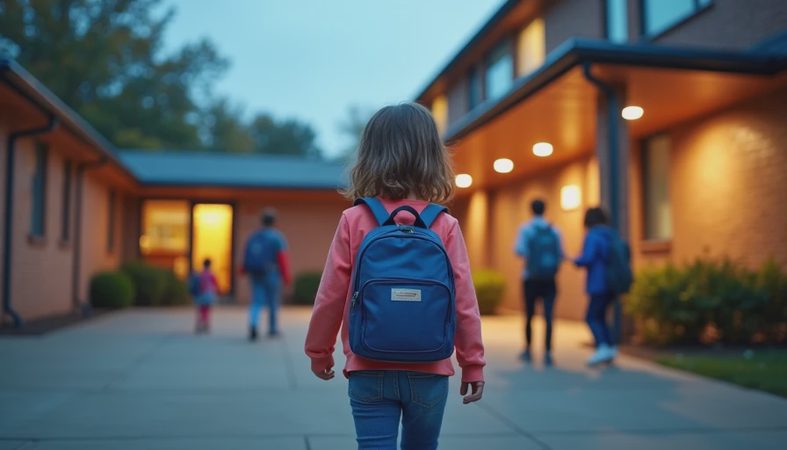
Tuesday morning, 7:42, Beckett is wearing one shoe, Hallie cannot find her jacket, and Asher has somehow stepped in a bowl of cereal. This is when organic kids clothes either prove useful or become an expensive parenting theory. I want soft fabric, honest construction, and clothes that can handle a school day without demanding special treatment.
After twelve years watching elementary students sprint, slide, climb, and spill across a playground, I learned that the label is only part of the story. Organic kids clothes can be a smart choice, but the best piece is still the one your child will wear, move in, and wash repeatedly. Here is how I sort the good stuff from the green-colored marketing.
What organic actually means on a clothing label
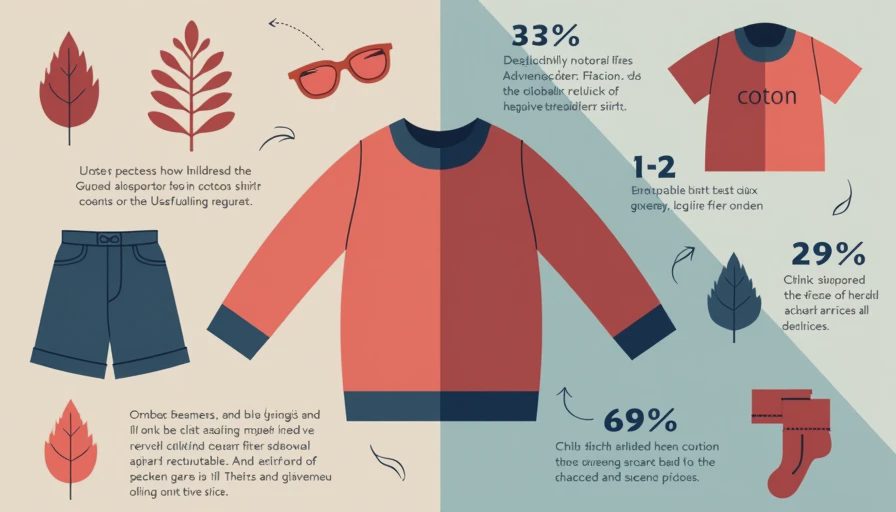
Organic usually describes the fiber, not the finished shirt. Organic cotton is grown under standards that restrict certain synthetic pesticides and fertilizers. That is useful information, but it does not automatically mean the garment is free from every chemical, perfectly sustainable, or made in a worker-friendly factory.
For a stronger standard, look for recognized certification. The Global Organic Textile Standard, commonly called GOTS, addresses organic fiber content and several processing requirements. The certification label matters more than a front-of-package phrase such as natural cotton. OCS, or Organic Content Standard, can verify organic fiber content but is narrower than GOTS.
The Donovan household rule is simple: read the small print, then inspect the clothing itself. A certified cotton tee with weak seams is still a bad school shirt. A durable blend with clear fiber information can sometimes outlast a supposedly premium option. I care about what went into the fabric, but I care just as much about whether it survives the fourth-grade monkey bars.
Choosing fabric for actual kid behavior
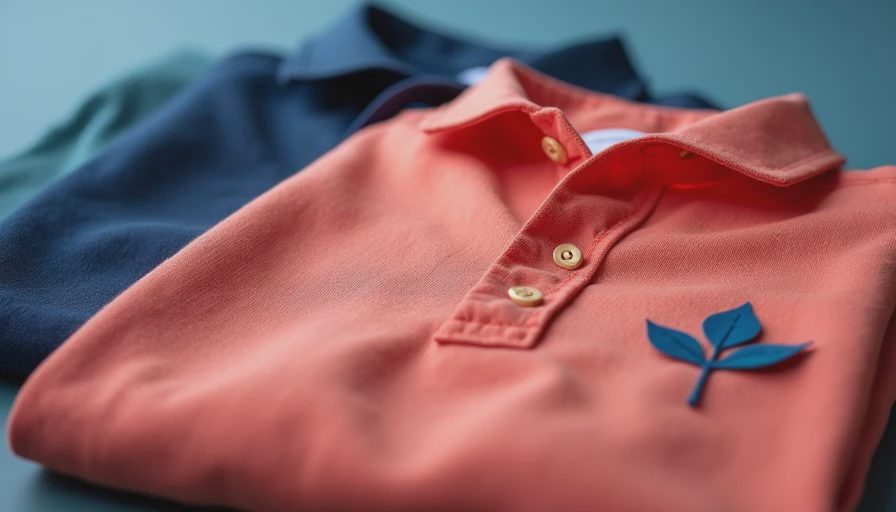
Cotton is comfortable, breathable, and easy to understand. For everyday organic kids clothes, a midweight cotton jersey is usually more practical than a very thin, silky tee. Thin fabric feels great in a fitting room and develops knee holes quickly when a child spends recess crawling through wood chips.
For pajamas and base layers, soft organic cotton works well. For hiking, soccer, or hot summer camps, look for a fabric that manages moisture and dries at a reasonable speed. Organic cotton absorbs water, so it can feel heavy after a sweaty practice. A small amount of elastane can improve movement in leggings or waistbands, although the garment is no longer made entirely from one fiber.
Check the inside before buying. Scratchy tags, bulky seams, stiff waistbands, and narrow cuffs are rejection-level problems in my house. Hallie will tolerate a plain shirt with a comfortable neckline all day. She will not tolerate a fashionable shirt that rubs her neck by morning circle. That is not stubbornness; that is field data.
The three-wash minimum
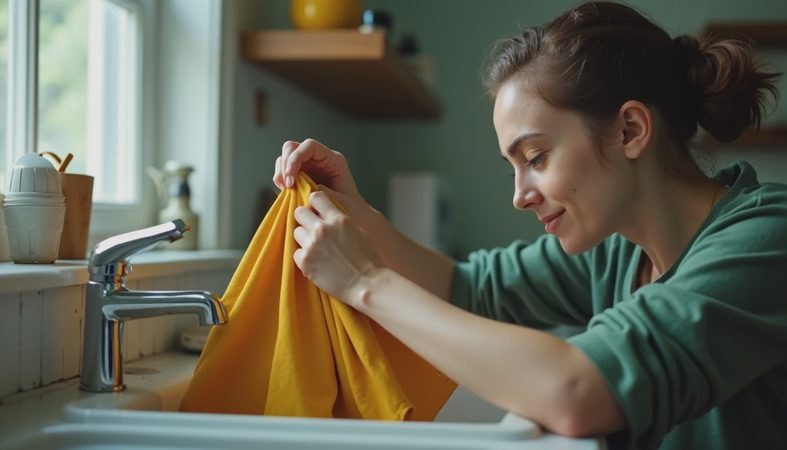
I do not recommend organic kids clothes until they pass the three-wash minimum. Wash the item three times according to its care instructions, dry it the way a busy parent realistically will, and then inspect it. Look at the collar, sleeve openings, knees, seat, and printed design.
After three washes, a good shirt should still lie flat without dramatic twisting at the side seam. The print should not crack into a map of tiny islands. Elastic should recover after stretching, and dark colors should not turn dull after one trip through a standard machine. Shrinkage is not always a deal breaker, but a size 6 should not become a size 5 before your child gets a chance to outgrow it.
Our laundry room has exposed the difference between marketing and construction. One expensive tee from a boutique brand developed a loose neck after two washes. A less glamorous multipack from a certified basics company is still in Asher's rotation after months of playground duty. I was wrong about the expensive shirt. The graveyard received it with a note: collar failure, week two.
How to shop without overspending
Organic kids clothes can cost more because certified fibers and documented production add expense. Still, the price range is wide. Basic tees often appear around $12 to $25, while specialty sweatshirts, denim, and outer layers can run $35 to $80 or more. A higher price makes sense only when the fabric, stitching, fit, and expected wear support it.
Start with the items that touch skin most often: underwear, pajamas, undershirts, and soft everyday tees. You do not need to replace an entire closet in one Saturday. Buy one or two pieces, run the three-wash test, and compare them with what your child already owns.
Sales and multipacks can improve the math, but calculate the cost per successful wear. A $16 shirt worn 40 times costs less per wear than a $9 shirt abandoned after three uncomfortable mornings. On the other hand, a $42 sweatshirt that pills immediately is not a bargain because its tag says organic. Keep receipts, note the sizes that work, and buy proven basics when they go on sale.
A dad's inspection checklist
When I shop for organic kids clothes, I run through five questions before reaching the checkout. First, can the child bend, squat, and raise both arms without the garment pulling? Second, are the seams straight and securely finished? Third, does the waistband stay comfortable when sitting? Fourth, can this piece handle the detergent and drying routine already used at home? Fifth, will a grass stain, marker line, or mystery lunch spot ruin the entire thing?
For pants, reinforce the decision with practical details. Adjustable waistbands help when a child is tall and narrow. Roomier knees matter for playground slides and soccer drills. Deep pockets are useful until they fill with gravel, so empty them before laundry day. For jackets, check zipper operation and cuff coverage. A zipper that snags at home will not become cooperative in a crowded school hallway.
Natural dyes and undyed fabric can look appealing, but do not assume every muted garment is easier to maintain. Read the care label. Some pieces need cold washing, air drying, or gentle detergent to keep their shape. If that routine will not happen on a Wednesday night, choose organic kids clothes designed for ordinary machine washing.
When organic is not the right priority
Sometimes the practical answer is not the most ideal label. If your child needs a rain shell, insulated winter coat, or high-stretch athletic layer, performance and safety come first. Organic cotton is not waterproof, and it is not automatically the best material for a wet trail or a cold soccer sideline.
A sensible closet can mix certified organic cotton basics with durable synthetic outerwear, secondhand jeans, and hand-me-down play clothes. Reusing a sturdy garment keeps it in service and avoids buying something new simply to satisfy a shopping goal. Your method probably has its reasons, and I am not in your house.
The goal is a closet that works. Buy organic kids clothes where comfort and skin contact matter, choose hard-wearing materials for rough conditions, and judge every item by its life after the third wash. That approach keeps the budget grounded and the laundry pile manageable.
The Recess Approved bottom line
The best organic kids clothes are not precious. They are soft enough for a long school day, tough enough for a blacktop slide, and ordinary enough to go straight into the washer. Look for credible certification, useful fabric weight, strong seams, comfortable fit, and a care label your household can follow.
Start small, test thoroughly, and keep notes on what survives. In the Donovan household, a shirt earns repeat-buy status only after it has handled playground dirt, spaghetti night, three washes, and at least one emergency change before school. That is a higher standard than a nice product photo, and it has saved us plenty of money.
Choose the pieces that make mornings easier and let kids move without complaint. Recess-tested. Dad-approved.
No comments yet — be the first to share a thought.