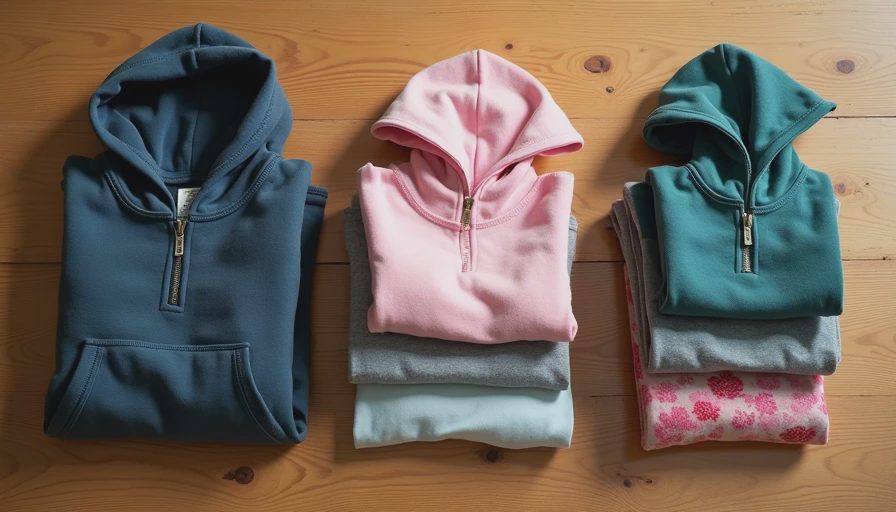
The Family Clothing Economy
With three kids spaced roughly two years apart, we quickly realized buying everything new for each child would bankrupt us. Enter the hand-me-down chain — our family’s most effective cost-saving strategy that also teaches responsibility and reduces consumption.
Beckett (9) → Hallie (7) → Asher (4). Simple in theory. Chaotic in practice.
How Our Chain Actually Works
The system starts with Beckett. As the oldest, he gets first crack at new clothes. When something no longer fits him or he outgrows the style, it moves to Hallie’s “maybe” pile.
Hallie tries everything on. If it fits and she’ll actually wear it, it stays in her wardrobe. If not, it goes to the “Asher potential” box. Asher, being the youngest boy, gets whatever survives both older siblings plus new items as needed.
But there are plenty of detours along the way.
The Detours That Make It Interesting
Gender/style preferences: Hallie rejects many of Beckett’s graphic tees. “Too boyish,” she says. Those go straight to donation or the graveyard if they’re worn out.
Condition issues: Something might survive Beckett but develop a mystery stain that Hallie refuses to wear. Those get extra pre-treatment and move down if they clean up.
Activity differences: Beckett’s soccer shorts might be too worn for Hallie’s school use but perfect for Asher’s backyard play.
Size variations: Kids don’t grow uniformly. Hallie is tall for her age while Asher is average, so some items skip Hallie entirely and go directly to Asher.
Success Stories from Our Chain
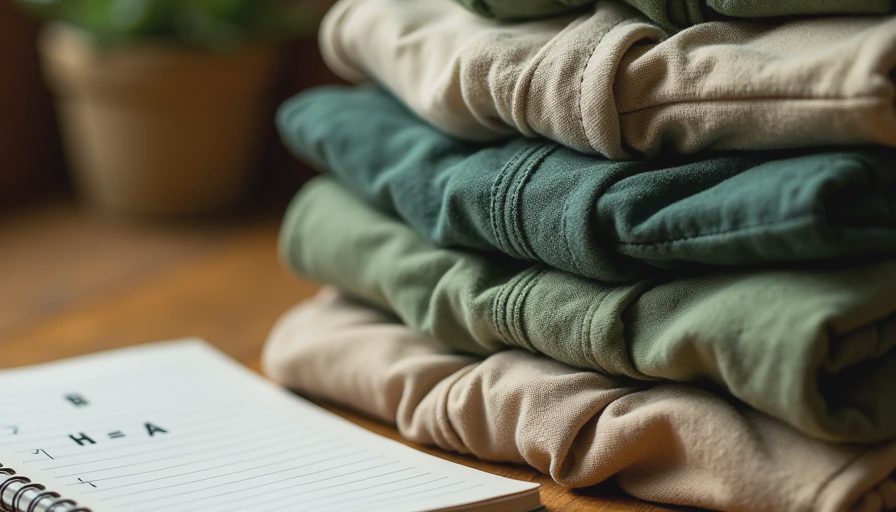
Beckett’s old U10 soccer jerseys became Hallie’s favorite sleep shirts. Some of his sturdy winter pants survived two seasons with him and are now in Asher’s winter rotation.
A particularly successful transfer: A set of Carhartt-style work pants that Beckett wore for two years of heavy outdoor play. They were still in good shape when they reached Asher, who uses them for messy garage projects with me.
The Challenges We’ve Faced
Emotional attachments: Beckett sometimes doesn’t want to give up favorite items even when they don’t fit. We’ve learned to take photos of him in the clothes before passing them down.
Styling differences: Hallie wants to feel like she’s getting “her own” clothes. We let her customize hand-me-downs with patches, embroidery, or different buttons when possible.
Timing issues: Kids outgrow clothes at different rates. Sometimes we have gaps where we need to buy new for one child while another has plenty.
Storage management: We keep three plastic bins in the garage: Current hand-me-downs, Future season items, and Donation/Graveyard.
Practical Tips for Multi-Kid Families
Label everything. Use a permanent marker on the tag with the child’s initial and year.
Take inventory seasonally. Go through everything twice a year before school starts and before summer.
Involve the kids. Let them help sort and choose what they want. It builds ownership.
Document the chain. We have a simple notebook where we note which items had long successful chains.
Have a flexible budget. Some items are worth buying new for the oldest if they’ll get maximum use through all three kids.
The Financial Impact
By maximizing hand-me-downs, we’ve cut our clothing budget by roughly 40-50% compared to buying everything new for each child. That money goes toward experiences instead — soccer gear, family hikes, and the occasional treat.
More importantly, the kids are learning about resourcefulness and taking care of their things so they can pass them along.
The Emotional Side
There’s something special about Asher wearing a shirt that both Beckett and Hallie wore before him. It creates a tangible connection between siblings. Hallie loves telling Asher “This was mine when I was your age!”
Of course, there are also fights over who gets to keep certain sentimental favorites. That’s sibling life.
When to Break the Chain
Not everything should be handed down. Some items get loved to death by the first child. Others don’t match the next kid’s needs or personality.
We have a “direct to donation” category for things that won’t serve the next child well. Better to pass them on to someone else than force them through the system.
Making It Sustainable Long-Term
As the kids get older, the chain will evolve. Beckett is already showing signs of wanting more “cool” clothes that might not suit the younger ones. We’ll adjust as we go.
The core principle remains: Use what we have, take care of it, and pass it along when it no longer fits.
Final Thoughts
The hand-me-down chain isn’t perfect, but it works for our family. It saves money, reduces waste, teaches valuable lessons, and creates some sweet moments between siblings.
If you have multiple kids, I highly recommend setting up some version of this system. Start small if it feels overwhelming. Even passing down a few key items makes a difference.
What works for your family might look different than ours, and that’s okay. The important thing is being intentional about it.
Recess-tested. Dad-approved.


No comments yet — be the first to share a thought.