Tuesday morning, 7:42, Beckett is wearing one shoe, Hallie has misplaced a cape, and Asher is insisting that breakfast tastes better when eaten as a dinosaur. That is real life with costumes for kids. The outfit has to look fun in a school photo, survive a trip to the playground, and come out of the washer without becoming doll clothing. After 12 years watching elementary students sprint, slide, and collide on blacktops, I shop for costumes the same way I shop for everyday clothes: check the seams, test the movement, and skip anything that looks impressive but cannot handle a child.
The right costume does not need to be expensive or complicated. A sturdy base layer, comfortable shoes, and one recognizable detail can create a better outfit than a $75 set covered in plastic pieces. In the Donovan household, costumes for kids earn their place by getting worn more than once. Halloween is only one day; school spirit days, birthday parties, library events, and rainy Saturday living-room adventures fill the rest of the calendar.
What to Check Before Buying Costumes for Kids
Start with movement. Have your child raise both arms, bend their knees, and take a few long steps while wearing the outfit. If the sleeves pull across the shoulders or the pants restrict a deep squat, the costume will become a complaint before the first candy wrapper hits the floor. Kids do not stand still for photographs as long as adults hope. They run toward their friends.
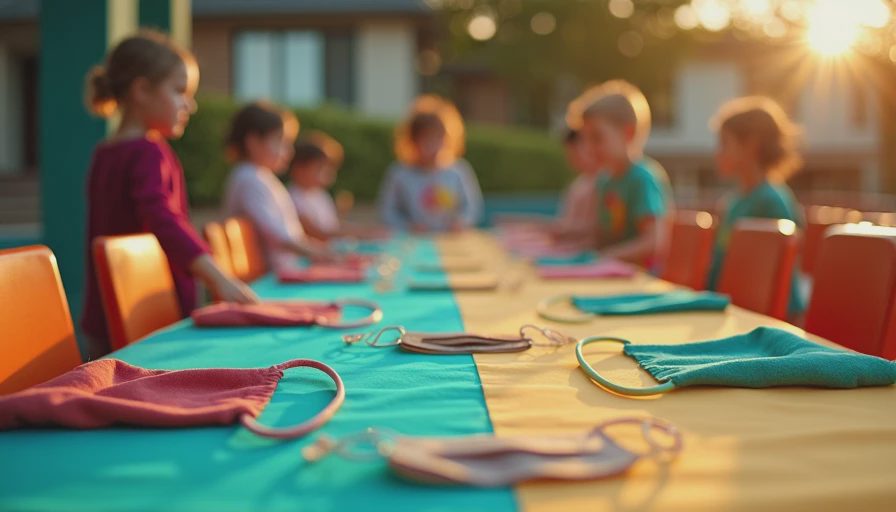
Look closely at closures, too. A zipper with a fabric guard is easier on the neck than a rough edge, while wide elastic usually works better than a tiny drawstring for younger children. Avoid long trailing ribbons, loose cords, and oversized accessories that can catch on playground equipment. Masks should allow clear vision and easy breathing; face paint should be labeled for skin use rather than borrowed from an art drawer.
Fabric matters in October. A thin polyester costume can work over a long-sleeve shirt, but it often feels clammy indoors and tears at the knees outdoors. Fleece, cotton blends, and layered clothing give you more control when the weather changes. The best costumes for kids leave enough room for a sweatshirt without turning the child into a walking laundry basket.
Build Costumes for Kids Around Clothes You Already Own
The Donovan household rule is simple: begin with the closet, then buy the special part. Black joggers, a gray hoodie, brown boots, and a paper badge can become a police officer, explorer, or space crew outfit. A yellow shirt and denim overalls can support a farmer, construction worker, or favorite storybook character. These combinations cost less, wash faster, and usually feel more comfortable than a single-piece jumpsuit.
For a superhero look, use a solid-color shirt, athletic pants, sneakers, and a short cape secured with a breakaway fastener or worn over the shoulders only for supervised pictures. For an animal costume, add ears, a tail attached securely to the waistband, and face paint or simple makeup. For a chef, painter, or scientist, an oversized adult shirt can act as a washable coat. Just remove loose buttons and check that the sleeves do not cover the hands.
This approach also helps with bathroom breaks. A child in a complicated bodysuit may need an adult every time the zipper moves. Separating the outfit into familiar pieces gives kids more independence and makes emergency changes less dramatic. When evaluating costumes for kids, I would rather see a child confidently manage a hoodie and pants than wobble around in an elaborate outfit they cannot use alone.
Three-Wash Minimum for Costumes for Kids
I do not trust a new garment after one try-on. The three-wash minimum tells us much more. After three normal washes, fabric shows whether it pills, shrinks, fades, or develops a permanent smell. Seams reveal whether the costume can survive a backpack strap and a few enthusiastic rolls across the floor. A costume that passes this test becomes a repeat recommendation; one that fails goes into our cardboard box labeled THE GRAVEYARD.
Wash according to the care label, but separate dark face coverings and bright accessories from light clothing the first time. Air-dry delicate capes and foam pieces instead of tossing everything into a hot dryer. Inspect the knees, armpits, and zipper ends after each wash. Those are the first failure points I saw as a PE teacher, and they are still where cheap construction gives up.
Do not chase perfection. A $15 outfit that works with existing clothes can be a smarter purchase than a $40 set that needs special cleaning. Costumes for kids should fit your actual laundry routine, not an imaginary household where nobody spills cider or tracks grass indoors.

Choosing Sizes, Shoes, and Accessories
Size for the base layer, not just the costume label. If your child will wear a sweatshirt underneath, try the costume over that layer before removing tags. A little extra length in the torso is useful, but sleeves that cover the fingers create a safety problem and make handwashing harder. For toddlers, avoid pieces that can detach easily or fit inside a small-part choking tester.
Shoes deserve more attention than the hat. Sneakers with a costume-colored sock often look perfectly good and keep the child stable on stairs, sidewalks, and grass. New boots should not debut at a school parade; blisters can ruin an otherwise successful day. If an accessory is uncomfortable after ten minutes at home, it will not become magical after three hours at a party.
For costumes for kids, storage is part of the purchase. Choose a hook, bin, or labeled drawer before the outfit arrives. Keep masks away from damp towels, and store cardboard props flat. This small step prevents crushed hats and makes the next dress-up request easier to answer.
When to Spend More and When to Skip It
Spend more on items that carry the whole outfit: durable boots, a warm jacket, or a washable character dress likely to be worn repeatedly. Brand names such as Cat & Jack, Primary, Hanna Andersson, and Carter's can be useful starting points, but the label does not replace checking stitching and care instructions. Look at resale shops and local parent groups for costumes used once and stored carefully.
Skip novelty pieces that exist only for a photograph, especially uncomfortable plastic armor, fragile foam crowns, and accessories with tiny decorative parts. A child who cannot sit, eat, or use the bathroom will remember the costume for the wrong reason. If a more expensive option includes better fabric and separates into everyday pieces, the extra money can make sense. If it only adds glitter, it probably does not.
The strongest costumes for kids usually have one clear idea and room for the child to move. Ask what character or job your child wants to play, then build around that answer instead of forcing a full package. You may discover that the favorite part is a homemade badge, a cardboard telescope, or a pair of washable gloves.
A Dad's Final Costume Check
Before leaving the house, check five things: clear vision, comfortable breathing, free hands, secure shoes, and a bathroom plan. Take one test walk outside. Bend down with your child and inspect the hem for dragging fabric. Pack a backup shirt, wipes, and a grocery bag for muddy or sticky pieces. These are small preparations, but they prevent the kind of school-call scramble that sends a dad racing across town in house shoes.
Then let the kid play. The goal is not a perfect catalog photo. It is a costume that supports imagination without becoming the main problem of the day. After three kids and plenty of laundry, I have learned that the best purchase is the one that comes off dirty, goes through the washer, and gets requested again next weekend.
That is the standard I use when reviewing costumes for kids: practical enough for recess, comfortable enough for a full afternoon, and sturdy enough for real family life. Recess-tested. Dad-approved.



No comments yet — be the first to share a thought.