Tuesday morning, 7:42, and Asher is wearing pajama pants under his soccer shorts because he refused to get dressed before breakfast. Hallie has found one slipper. Beckett is asking whether pajamas count as an acceptable school outfit. This is not a catalog photo. This is the real testing lab for organic cotton pajamas.
After three kids and a laundry room that never seems to close, I care about four things: comfort, fit, washability, and whether the waistband still works after repeated drying. Soft fabric is nice. A shirt that twists sideways after two washes is not. The best organic cotton pajamas feel good at bedtime, hold their shape, and do not turn laundry day into a special project.
Why Organic Cotton Pajamas Make Sense for Kids
Organic cotton pajamas are made with cotton grown under organic farming standards. That does not automatically mean every finished garment is free from dyes, finishes, or other processing chemicals, so certifications and the brand’s manufacturing information matter. GOTS, or the Global Organic Textile Standard, covers more of the textile process than the phrase “organic cotton” alone. OEKO-TEX Standard 100 addresses harmful substances in tested textile products, but it is not the same certification.
For everyday bedtime, the practical advantage is the fabric itself. Cotton is breathable, familiar, and easy to wash. Lightweight jersey works well for warm bedrooms, while rib-knit or slightly heavier cotton can be useful during colder months. Kids who kick off blankets often do better in long sleeves and pants, provided the room is not overly warm.
Organic cotton pajamas can also be a reasonable choice for children with sensitive skin, especially when the fabric is soft and the seams are simple. Still, “organic” does not guarantee that every child will love the garment. A scratchy tag, tight ankle, or too-short sleeve can ruin bedtime faster than any label can fix.
What I Check Before Buying a Pair
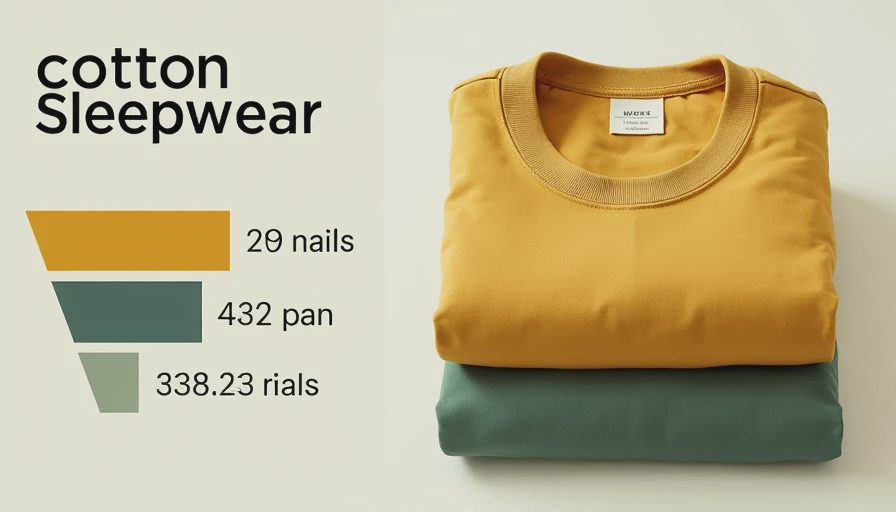
The Donovan household rule is simple: inspect the stress points before the first wash. I look at the neck opening, wrist cuffs, waistband, knee area, and stitching around the seat. Those spots tell you more than a product photo does.
For two-piece organic cotton pajamas, the waistband should stretch without feeling like a rubber band. A covered elastic waistband is usually more comfortable than exposed elastic, particularly for a child who sleeps on their stomach. Look for enough room to sit cross-legged, climb into bed, and make an emergency hallway trip without constant tugging.
Snug-fitting pajamas deserve special attention. Many children’s sleepwear rules require close-fitting garments because loose fabric can be a fire hazard. Do not simply size up several sizes for growth. Check the package guidance and the brand’s measurement chart. If your child is between sizes, compare chest, waist, inseam, and sleeve measurements rather than guessing from age alone.
For younger kids, a one-piece pajama with a zipper can simplify the 2 a.m. diaper or bathroom routine. For older kids, separates are easier to mix, match, and replace when one knee meets the pavement during an indoor wrestling match.
The Three-Wash Minimum
I do not trust a new pair until it has survived three washes. The first wash tells you how much it shrinks. The second reveals whether the waistband twists. The third shows whether the knees, cuffs, and print are still behaving.
Wash organic cotton pajamas according to the care label, but avoid treating every pair like a mechanic’s rag. Cold or warm water is usually enough for ordinary bedtime wear. Use a moderate amount of detergent, skip excessive fabric softener, and avoid high heat unless the label allows it. High dryer heat can shrink cotton and weaken elastic over time.
In our house, pajamas with a busy print get turned inside out before washing. This helps protect the surface from rough contact with zippers, towels, and the mysterious metal object that appears in every load. I air-dry new cotton sleepwear when possible, then finish it briefly in the dryer if needed. That extra step is less exciting than coaching soccer, but cheaper than replacing a favorite pair.
The biggest failure I have seen is not dramatic tearing. It is gradual distortion: a collar that pulls forward, pants that twist at the seam, or cuffs that become loose enough to catch on a scooter. Those garments go into the box labeled “THE GRAVEYARD.” They do not get a sentimental extension because a cartoon dinosaur looked great on Tuesday.
Comparing Pajama Types and Prices
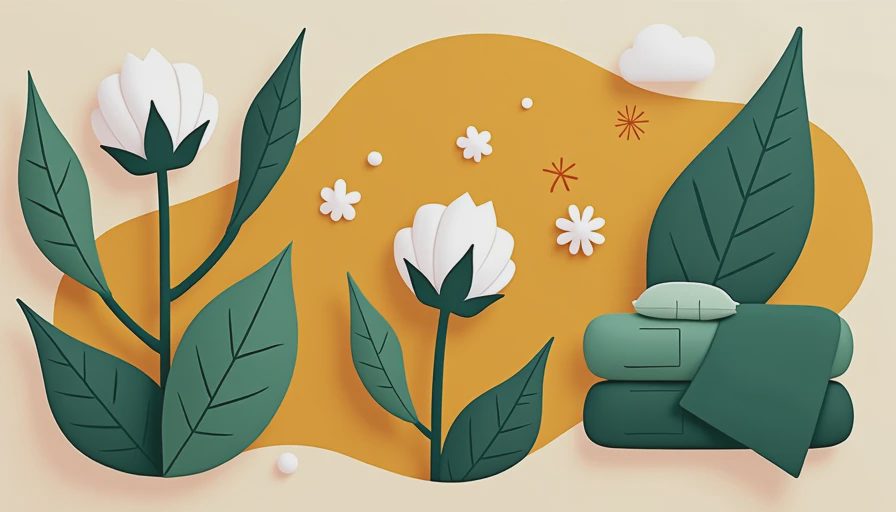
Budget organic cotton pajamas often cost around $20 to $35 for a two-piece set. They can be excellent values when the fabric is substantial and the seams are clean, but bargain pricing sometimes shows up in thin knees or weak elastic. Midrange sets from brands such as Hanna Andersson, Burt’s Bees Baby, or Pact commonly land around $30 to $60, depending on size, prints, and promotions. Premium options can cost more, especially for certified materials or heavier construction.
That price spread does not mean the most expensive pair wins. A $24 set that survives a year is a better buy than a $48 set that shrinks after the first month. I also look for practical details: replacement availability, seasonal discounts, useful size charts, and whether the brand offers separates. A child who spills chocolate milk on the shirt should not require replacing perfectly good pants.
Organic cotton pajamas are worth comparing by cost per wear. If a $36 set gets worn twice a week for six months, it has done more work than a $16 set abandoned after one uncomfortable night. Let the child test the fabric, too. Have them bend, reach, and sit before removing tags. Bedtime comfort is a performance feature.
A Dad’s Bedtime Shopping Checklist
Start with the room temperature and your child’s usual sleep habits. A blanket kicker may need a breathable long-sleeve set, while a warm sleeper may prefer a lightweight short-sleeve option. Then measure the child in regular clothes, keeping the tape level around the chest and waist.
Next, read the fiber content instead of stopping at the front label. “Organic cotton blend” is different from 100 percent cotton, and blends can change stretch, drying time, and feel. Check the certification language if that matters to your family. Finally, inspect the return policy and wash instructions before buying multiple sets.
Buy one pair first when trying a new brand. Photograph the care label, wash it three times, and note shrinkage. If the shirt still sits correctly, the pants stay comfortable, and your child reaches for them again, then add a second set during a sale. That process has saved more money in the Donovan household than buying a drawer full of “good deals.”
The right organic cotton pajamas will not solve every bedtime battle. They can remove one small argument, survive a full laundry cycle, and give your child something comfortable to put on after a muddy day. For a parent doing the shopping and the washing, that is a solid win. Recess-tested. Dad-approved.

No comments yet — be the first to share a thought.