Tuesday morning, 7:42, Beckett has one shoe on backward and Hallie is yelling that her favorite hoodie is too itchy. That is the normal starting point for toddler clothing in my house. The job is not to impress anybody at drop-off. The job is to get through breakfast, daycare, recess, mud, and the laundry pile without buying the same shirt twice. If you want toddler clothing that actually earns drawer space, think about three things: comfort, durability, and whether your kid can get it on fast enough to avoid a shoe-throwing event.
Start with the parts kids fight you on
The Donovan household rule is simple: if a toddler cannot move in it, the outfit is already losing. Soft cotton blends do most of the heavy lifting for shirts and play clothes. For pants, I like a little stretch in the knees and waist. Not shiny athletic fabric all day, just enough give for climbing, sitting cross-legged, and the kind of floor flopping toddlers do when the answer is no.
Skip anything with scratchy seams, stiff waistbands, or decorative stuff that sounds cute and feels like a cardboard tag factory. Buttons are fine on occasion, but snaps and pull-on waists are the real time savers. That matters more than style in toddler clothing, because the fastest way to ruin a morning is a pair of pants that needs adult engineering at 7:15 a.m.
For shirts, I like enough room in the neck that it goes on without a wrestling match. For layers, zip hoodies beat pullover hoodies when a kid wants it off three minutes after putting it on. If you are shopping budget racks, Carter's, Old Navy, and Target's Cat & Jack usually give you a decent mix of price and everyday wear.
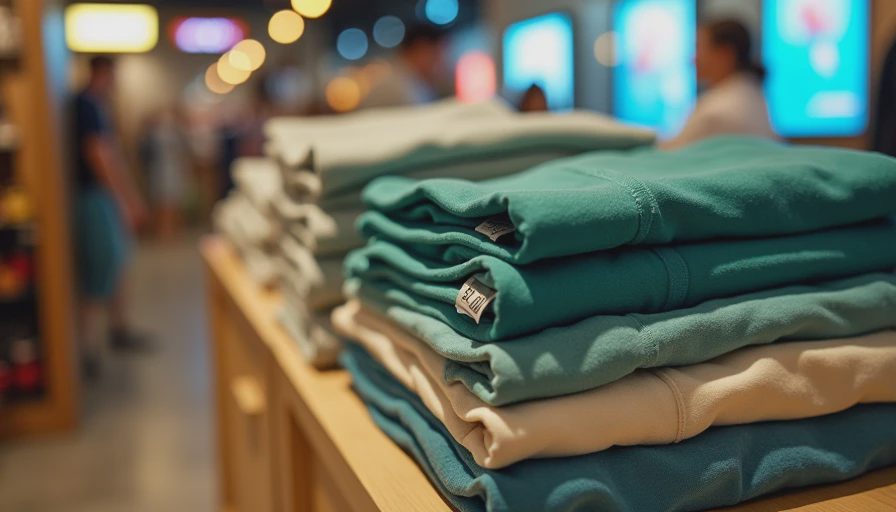
The three-wash minimum is not a joke
I do not trust toddler clothing until it has survived three full wash cycles. One wash tells you nothing. Three washes tell you if the elastic is going to give up, if the knees turn cloudy, and if the shirt shrinks into a sleep tee by accident.
Here is what I watch for in the laundry room: necklines that stay open, hems that do not twist, and prints that do not crack like old pavement. A good pair of play pants should come out looking basically the same after a cold wash, normal detergent, and a tumble dry on low.
The graveyard in my garage is full of one-season regrets. There is the hoodie with a zipper that died in October. The jeans that were cute until they turned into stiff cardboard after two washes. The bargain shirt that felt nice until the collar stretched wide enough to expose half the shoulder.
Build a small rotation that does the job
You do not need a giant drawer. You need enough toddler clothing to survive a week plus one surprise spill. In our house that usually means five or six shirts, four or five bottoms, two layers, a weather backup, and enough socks to survive whatever the floor eats.
I start with neutral play clothes because they mix better and nobody at preschool is grading the lookbook. A navy hoodie, gray joggers, striped tees, and one or two brighter pieces for the days when a kid insists on the dinosaur shirt. That keeps mornings moving, and it keeps you from overbuying because every new piece has to work with the rest of the drawer.
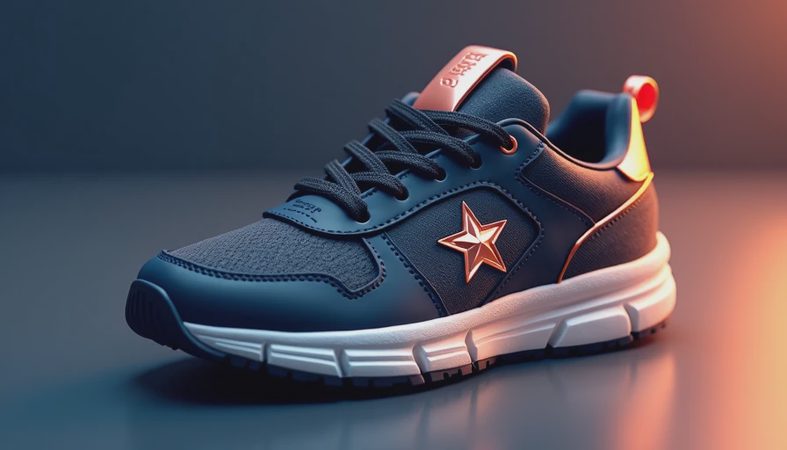
Shoes are part of the same conversation. Easy-on sneakers matter because a toddler who can get dressed mostly on their own is a toddler who will actually wear the thing. The same goes for pajamas. If pajamas are too warm, too tight, or too fussy, bedtime turns into a negotiation that no one asked for.
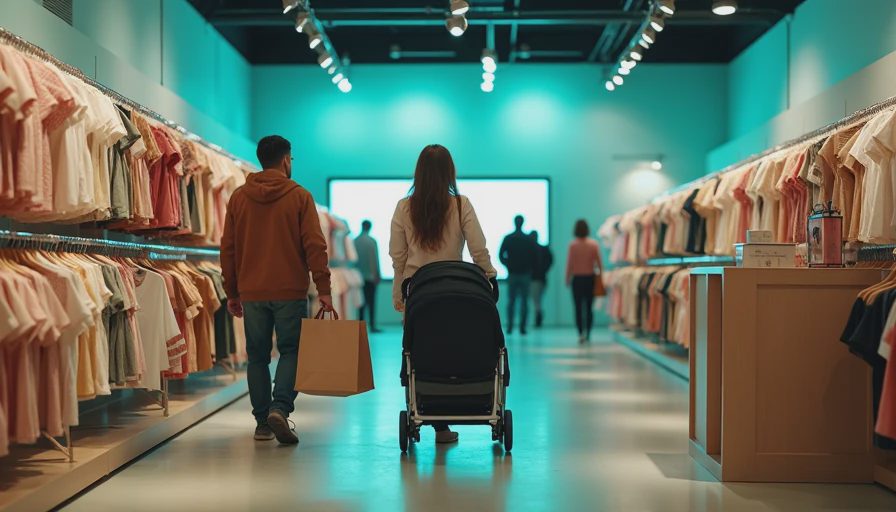
Where to save and where to spend
I save money on everyday tees, leggings, and backup socks. Those are the pieces that disappear into the laundry and do not need a lot of personality. I spend a little more on jackets, rain gear, and winter layers because those items have to stand up to weather, mud, and the child who insists on sitting in wet grass for reasons known only to preschoolers.
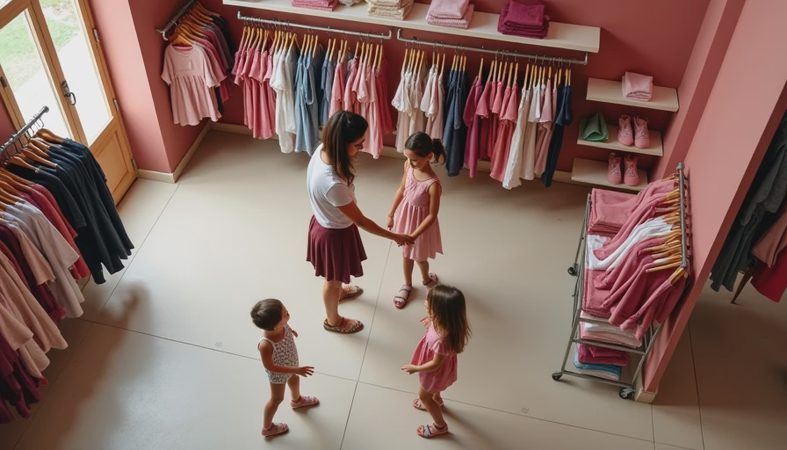
For value shopping, Target, Gap Factory, and Old Navy are usually where I start. For sturdier basics, Hanna Andersson is hard to ignore, and Patagonia is worth a look if you care about hand-me-down life or resale later. Primary is another solid option when you want plain colors without cartoon overload. None of these names are magic. They just show up more often in the pile of stuff that lasts.
The trick is not buying the fanciest version of everything. It is knowing which pieces get punished. A $60 rain shell can make sense. A $60 shirt for finger paint day does not. That is the same logic I use for toddler clothing every season.
A simple weekend buying plan
If you are staring at a cart full of choices, use this short list and stop overthinking it: touch the fabric, check the waistband and cuffs, look at the knees and shoulder seams, and ask whether your kid can put it on without help. Then picture it in the washer three times a week.
That is basically the whole playbook. Good toddler clothing is not about chasing trends or chasing the cheapest tag. It is about finding pieces that keep a child comfortable, keep mornings calm, and keep you from making another unnecessary run to the store. I use the same logic when I am standing in the aisle with a cart and a tired kid asking for the glitter version.
If you want the shortest possible version, here it is: buy soft, buy simple, buy a little room to move, and let the washer be the final judge. The best toddler clothing is the stuff your kid reaches for again, and the stuff you are not embarrassed to pull out of the dryer on a school night. Recess-tested. Dad-approved.
No comments yet — be the first to share a thought.