Tuesday morning, 7:42, Beckett is wearing one shoe, Hallie cannot find her jacket, and Asher has somehow put a sticker on his shirt before breakfast. This is where cotton kids clothing earns its keep. Kids need shirts, shorts, pajamas, and socks that feel good, move easily, and survive the daily combination of playground dust, cafeteria spills, grass stains, and the washing machine. I spent 12 years watching children test clothes harder than any product photographer could, and now I run the Donovan laundry room. Here is what holds up.
Why Cotton Works for Busy Kids
Cotton feels familiar for a reason. It is soft against skin, breathable during a warm recess, and less slippery than many synthetic fabrics. A cotton T-shirt also works across a surprising number of situations: under a hoodie in January, with athletic shorts in May, or tucked into jeans for picture day. For children who complain about scratchy tags and stiff seams, a well-made cotton garment can be the difference between getting dressed and starting a seven-minute negotiation.
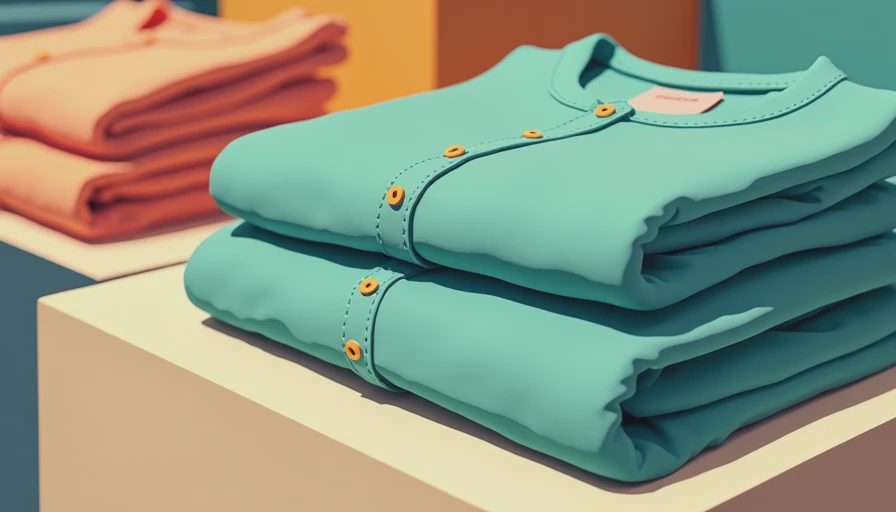
The key is choosing the right construction, not assuming every cotton item is equally durable. A lightweight shirt can feel wonderful but develop holes after a few months. A heavier jersey shirt often costs a little more, yet survives backpack straps and repeated trips through the dryer. Look for sturdy stitching around the collar, reinforced seams, and fabric that springs back after you gently stretch it. Cotton kids basics do not need to be fancy. They need to keep their shape after the third wash and the thirtieth tumble.
The Donovan household rule is simple: buy the garment your child will actually wear, then inspect the places that usually fail. Collars, knees, cuffs, and waistband seams tell you more than a clever graphic on the front.
The Three-Wash Minimum
I do not review a kids' clothing item until it has been washed at least three times. One wash tells you almost nothing. It may reveal a little shrinkage, but it will not show whether the collar curls, the print cracks, or the knees turn shiny. Three washes reveal the beginning of the truth.
For cotton kids shirts, wash the first load according to the care label and take a quick measurement before and after. You do not need a tailor's tape; compare the shirt with another favorite. If the body loses two inches of length or the sleeves pull upward, that is not a great school-week choice. Shrinkage is especially annoying with clothes bought in early fall, when a perfect long-sleeve top becomes a three-quarter sleeve by Halloween.
Brands handle this differently. Hanna Andersson is known for substantial kids' basics and long-lasting prints, though the price is higher. Primary offers simple colors and straightforward staples that are easy to combine. Cat & Jack at Target is often useful for inexpensive replacements when a child needs three more school shirts immediately. Carter's remains practical for pajamas and toddler basics. I am not claiming every item from a brand will win; the fabric weight and stitching still matter more than the label.
What to Buy for School and Play
Start with five or six everyday shirts, but do not make all of them identical. Two heavier cotton tees can handle playground use and layering. Two lighter shirts are better for hot classrooms and soccer practice. Add one long-sleeve option for cool mornings and one shirt your child can wear when the school sends home a note saying there will be a special event.
For bottoms, cotton joggers and canvas shorts often handle more abuse than thin knit pants. Check the knees by holding the fabric toward a window. If you can see the weave becoming sparse before the child even wears them, expect trouble. For younger children, elastic waistbands save time and preserve everyone's morning mood. For older kids, an adjustable waist is worth paying for because growth does not follow the clothing size chart.
Cotton kids pajamas deserve their own inspection. Pajamas are washed frequently, and children drag them across floors, beds, and breakfast chairs. Look for flat seams, a waistband that does not twist, and enough room for movement without loose fabric catching on furniture. Avoid buying a large batch before testing one set. A pajama that rides up at 2 a.m. becomes your problem, not your child's.

Laundry Rules That Add Months
Most clothing damage happens in the laundry room, not on the playground. Turn printed shirts inside out before washing. Use cold or warm water rather than the hottest cycle for routine loads, and do not fill the machine so tightly that clothes cannot move. Zippers should be closed, while drawstrings need to be tied or tucked away. These small steps reduce friction and help cotton retain its shape.
The dryer is where many cotton garments lose the fight. High heat is fast, but it encourages shrinking and weakens elastic. I use medium heat for ordinary loads and remove shirts while they are still slightly damp when I want them to last. Hang-drying everything sounds noble until you have three kids and a full soccer schedule. Pick the pieces worth protecting: school uniforms, favorite graphic tees, and anything that fit perfectly before washing.
Treat stains before the dryer. Heat can set grass, chocolate, and tomato sauce into the fibers. A little liquid detergent rubbed into a fresh mark, followed by the normal wash, handles many everyday messes. Do not scrub so aggressively that you damage the fabric around the stain. If the shirt is still marked after washing, let it air-dry and try again rather than baking the evidence in.
How to Spend Less Without Buying Junk
The cheapest shirt is not always the lowest-cost shirt. A $7 tee worn twice before the neck stretches has cost more per wear than a $14 tee that survives an entire school year. Track this casually by asking two questions: How often does my child choose it, and is it still presentable after regular washing? Cotton kids purchases become much easier when you judge them by repeat use instead of the price tag alone.
Buy multiples only after a successful test. If one shirt survives three washes, a playground afternoon, and a spaghetti dinner, buying two more can save time. Seasonal sales are useful for stocking basics, but leave room for growth. Six identical shirts that fit perfectly today may all become too short in the same month.
Secondhand stores and neighborhood clothing swaps can also stretch the budget. Inspect underarms, knees, cuffs, and the inside of the waistband. A faded color is usually cosmetic; thinning fabric, loose stitching, and a stretched collar are warning signs. For hand-me-downs, label the child who wore the garment and the season. Future-you will appreciate knowing whether the item already survived one full year.
A Dad's Quick Clothing Check
Before buying cotton kids clothing, run through this short test. Can the child move arms overhead and squat without restriction? Does the collar return to shape after a gentle tug? Are the seams straight, with no loose thread ready to unravel? Will the garment work with at least three outfits already in the drawer? Can it handle the care routine you will realistically use on a Tuesday night?
After purchase, take a photo of the size and wash instructions before the tag disappears. Wash one piece first, inspect it after three cycles, and reserve it for school only if it still fits correctly. Mark persistent stains with a small note on your laundry shelf so nobody wastes ten minutes searching for a miracle product. When a garment finally fails, write the cause on the box labeled THE GRAVEYARD: twisted collar, blown knee, broken zipper, or mystery purple stain.
That record has changed what I buy. I used to choose novelty over durability because a dinosaur shirt made my kids grin in the store. Now I look for a happy child, comfortable movement, and a shirt that can survive Friday after starting Monday clean. That is the real standard for cotton kids clothing in our house: useful, washable, and ready for the next round.
Recess-tested. Dad-approved.



No comments yet — be the first to share a thought.