Tuesday morning, 7:42, and Hallie is halfway out the door with one sock, a backpack that weighs more than she does, and a dress she picked because it spins. That is usually where the real test starts. When I talk about girls dresses, I am not talking about something that hangs in the closet until Easter and then comes out for pictures. I mean the stuff a kid can wear to school, climb a slide in, spill applesauce on, and still wear again after one good wash.
The Donovan household rule is simple: if a piece of clothing needs a full speech before it gets worn, it is already too complicated. Good girls dresses should be easy to pull on, easy to layer, and easy to clean. If they can handle a bike ride to the park and still look fine for dinner, they are doing their job.
Start with fabric, not the hanger
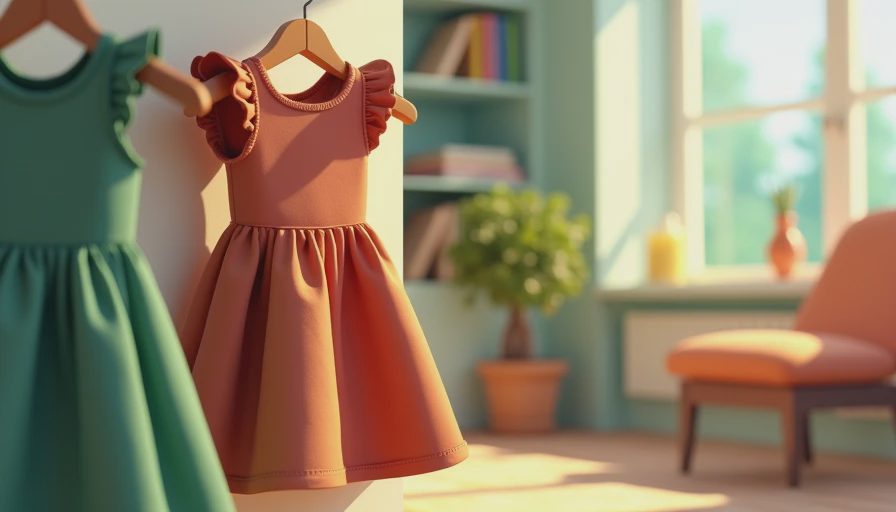
The first thing I check is the fabric tag, not the picture on the website. Soft cotton jersey is the easiest win because kids will actually wear it, and it usually comes out of the wash without a fight. Rib knit works too, especially for cooler months, because it stretches without turning stiff. For dressier days, ponte or a lined woven dress can look sharper, but only if the lining is not scratchy and the seams do not rub under the arms.
I stay suspicious of anything that feels delicate in my hands. If I can tell a zipper is going to snag or a seam is going to pop after two cartwheels, I move on. In my house, girls dresses from places like Cat & Jack, Carter's, Old Navy, and Primary have earned more trust than the fancy stuff because they are built for repeat wear, not one cute photo. If the tag says machine wash and the price lands somewhere around $12 to $30, now we are speaking my language.
Fit matters more than size on the tag
Sizing is where dads get tricked. A dress can be the right length and still be a pain because the armholes are tight, the shoulders slip, or the waist sits in a weird spot. I look for enough room to raise both arms, sit cross-legged, and sprint across a playground without tugging at the neckline every thirty seconds. If a kid has to keep adjusting it, that dress is not a keeper.
Length matters too. For school, I like something that hits around the knee or just above it, especially if there are stairs, swings, and lunchroom floors in the mix. For older kids, a little extra length buys peace. For younger kids, a roomy cut usually beats a polished shape because they grow fast and refuse to move like showroom mannequins. That is why some of the best girls dresses are the plain ones with a little stretch, a soft waist, and no drama.
The laundry test tells the truth
The three-wash minimum is the rule in my house. If a dress looks great in the package but fades, shrinks, or comes out wrinkled beyond salvation after three rounds in the washer, it does not make the team. I have seen cheap prints turn dull fast, and I have seen necklines stretch out like they paid rent and moved in permanently. That is how items end up in The Graveyard.
A good dress should make laundry boring. Toss it in cold, use a normal detergent, and do not ask me to hand wash anything unless the price was high enough to justify the trouble. I like seeing stains come out without a chemistry experiment. If ketchup, marker, and playground dust all leave with one treatment of stain spray and a regular cycle, the dress gets a second life. If it needs babying every time, it is too much maintenance for a kid who may eat yogurt in the back seat.
What works for school, church, and birthday parties
This is where girls dresses earn their keep. A dress that works for school can usually do church or a birthday party with one quick change. Swap the sneakers for flats or clean boots, add a cardigan, and the whole thing looks more dressed up without buying a separate outfit. That is the kind of flexibility I respect. I do not want a closet full of one-time clothes that only show up for photos and then take up space until next season.
For school days, I like dresses that can be layered with bike shorts, leggings, or a simple jacket. For colder weather, long sleeves and thicker knits go farther than fancy details. For summer, breathable cotton wins because nobody wants a sticky, fussy outfit when the blacktop is hot enough to fry an egg. If a dress can move from classroom to birthday cake with almost no effort, that is money well spent.
What I buy, what I skip, and where the money goes
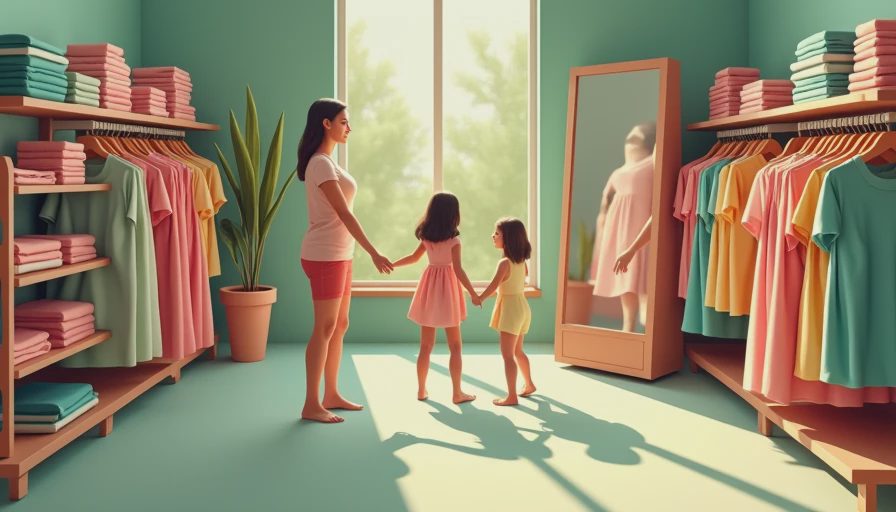
If I am shopping on a budget, I start with Target's Cat & Jack because the price is usually friendly and the styles hold up better than they have any right to. Old Navy is another solid stop when you want a playful print without paying boutique money. Carter's is dependable for softer basics and toddler sizes, while Primary is the place I look when I want clean colors and fewer graphics. Hanna Andersson costs more, often in the $40 to $60 range, but the cotton is sturdy and the stitching usually feels like it was built by someone who expects a kid to be a kid.
I have also learned where to save. I would rather spend a little more on a dress that gets worn every week than burn money on a special-occasion piece that spends most of its life in a closet. If a kid loves twirling, climbing, and wearing the same favorite item three days in a row, buy the one that survives the routine. The cheaper option is not cheaper if it pills, fades, and gets outgrown before you finish the laundry.
The quick checkout checklist I use
Before I click buy, I ask five questions in plain English. Will my kid put it on without a battle? Can it survive school, a car seat, and one bad juice spill? Does it pair with leggings or shorts if the weather changes? Is the fabric soft enough to skip complaints? And does the price make sense if this becomes a weekly favorite instead of a special treat? If the answer is yes on most of those, I am good.
That is the whole game with girls dresses. Buy for the child who will actually wear it, not the one you imagine on a perfect Sunday afternoon. If it passes the playground, the laundry pile, and the three-wash minimum, it earns a spot in the rotation. Recess-tested. Dad-approved.


No comments yet — be the first to share a thought.