Tuesday morning, 7:42, Beckett is wearing one shoe, Hallie cannot find her jacket, and Asher has somehow spilled yogurt on the shirt he put on thirty seconds ago. This is where primary clothes earn their keep. I am not talking about clothes in a classroom color chart. I mean the everyday basics that form a kid's working wardrobe: shirts, pants, shorts, socks, sweatshirts, and layers that can handle school, recess, dinner, and the washing machine.
After twelve years watching elementary students sprint across blacktops, climb playground ladders, and slide through grass, I learned a simple truth: kids do not need complicated outfits. They need primary clothes that fit comfortably, wash predictably, and do not make a parent negotiate at 7:42 in the morning. The best pieces are easy to match and tough enough to become hand-me-downs.
What Primary Clothes Need to Do
The Donovan household rule is that a kid's clothing has three jobs. It must allow movement, survive ordinary messes, and be simple enough for a child to manage without help. If a pair of pants fails any one of those tests, it creates work somewhere else. A stiff waistband becomes a morning argument. A shirt that twists after washing becomes a drawer reject. A thin knee becomes a hole by October.
Start with soft cotton or cotton blends for daily shirts. A blend containing polyester often dries faster and holds its shape better than a very thin all-cotton tee, which matters when the laundry pile is already leaning toward the ceiling. For pants, look for reinforced knees, useful pockets, and waistbands that stretch without folding. Adjustable waist tabs are especially helpful for kids who are tall and narrow.
Primary clothes also need room for movement without becoming oversized. A shirt that hangs halfway to the knees can catch on playground equipment, while pants that bunch at the ankle collect mud. Have your child squat, raise both arms, and walk a few steps during a try-on. That quick test tells you more than a size chart alone.
Build a Small, Useful Clothing Rotation
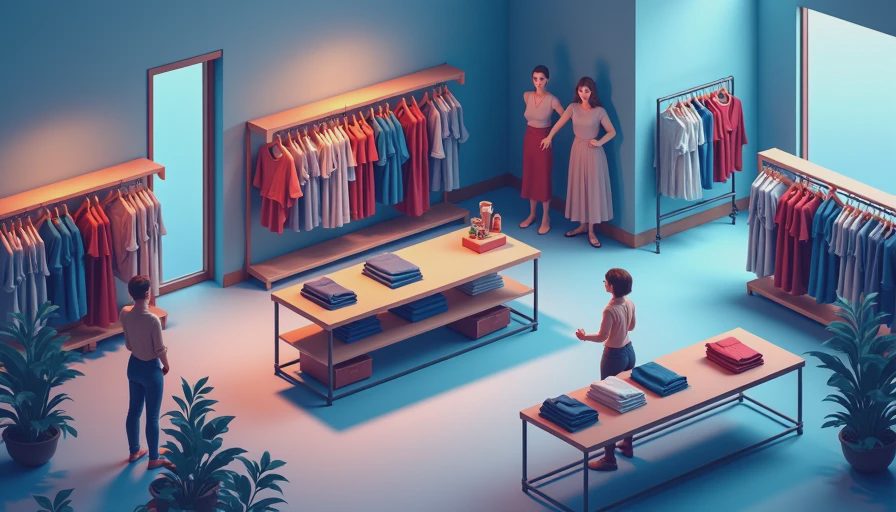
A practical starting point is five to seven everyday shirts, four or five bottoms, two warm layers, a weather-ready jacket, and enough socks and underwear to survive a missed laundry day. You do not need a separate outfit for every possible event. A navy tee, gray joggers, and a zip hoodie can cover school, a grocery run, and an afternoon at the park.
When choosing primary clothes, use a limited group of colors that your child already accepts. Navy, gray, black, denim, olive, and brown hide playground dust and make matching nearly automatic. Add brighter shirts or favorite prints for personality. This is not about making every child look the same. It is about preventing the clean-shirt pile from becoming a puzzle.
Buy duplicates of the pieces that actually get worn. Asher had one green long-sleeve shirt that disappeared from the dryer and reappeared on his body almost immediately. I bought two more after the three-wash minimum. That was a better purchase than three different shirts he ignored. Repeated wear is useful information, not a failure of imagination.
Choose Fabrics by the Laundry Test
The first wash tells you whether a garment is promising. The third wash tells you whether it belongs in the rotation. Wash primary clothes according to the care label, dry them the way you normally dry family laundry, and inspect the neck, seams, knees, cuffs, and printed design afterward.
Watch for twisted side seams, stretched collars, shrinking sleeves, and graphics that crack or peel. These problems are not always visible on the rack. A shirt can feel substantial in the store and come out thin after two hot dryer cycles. If your household uses a shared hamper and ordinary detergent, test clothes under those same conditions instead of treating them like delicate equipment.
For messy younger kids, darker bottoms are usually easier to live with than pale khaki or light gray. That does not mean stains disappear; it means a small grass mark is less likely to end the day early. Keep a stain stick near the hamper and treat food, mud, and sunscreen before the garment goes into the dryer. Heat can set some stains permanently.

Spend More Where Failure Hurts
Not every item deserves the same budget. I am comfortable buying inexpensive everyday tees when the fabric feels solid and the seams lie flat. I spend more carefully on shoes, jackets, jeans, and school pants because those pieces take more abuse and are harder to replace during a busy week.
Brands such as Cat & Jack, Old Navy, Hanes, Carter's, and Primary offer different strengths across kids' basics, but no label guarantees a perfect garment. Cat & Jack is easy to find and often offers practical school staples. Old Navy usually gives families plenty of mix-and-match choices. Hanes can be useful for multipacks of simple tees and socks. Primary is known for straightforward kids' basics in bright, simple colors. Check the actual fabric, seams, and fit rather than buying a name.
A $10 shirt that survives a school year is a better deal than a $5 shirt that twists after two washes. On the other hand, a $32 shirt is not automatically four times better. Keep receipts for the first purchase from an unfamiliar brand, and buy one test item before ordering a full drawer.
Make Getting Dressed Easier for Kids
The best primary clothes reduce decisions. Put two complete options in a child's reach the night before: shirt, bottoms, socks, and a layer if the morning is cold. Both choices should be acceptable to the adult and comfortable to the child. That avoids the 7 a.m. debate over a shirt that is technically clean but emotionally unacceptable.
Use drawer sections or small bins for shirts, bottoms, pajamas, and socks. Younger children can learn the system when every category has a home. Labeling bins with words or simple drawings helps nonreaders. Keep stained play clothes separate from school-ready clothes so a last-minute search does not produce a shirt with a mystery spot on the front.
Primary clothes should also respect a child's preferences. If a kid refuses denim, there is no prize for forcing denim into the plan. Try joggers with a structured sweatshirt or pull-on canvas pants instead. Comfort affects whether clothes are worn, and unworn clothes are expensive regardless of their original price.
A Quick Check Before You Buy
Before purchasing, pinch the fabric at the knee and elbow. Look inside the garment for loose threads, rough tags, and seams that could rub. Stretch the waistband gently, inspect the snap or zipper, and check whether the pockets are large enough to hold the small treasures children collect. At home, record what failed and why. My cardboard box labeled “THE GRAVEYARD” contains a sweatshirt with a broken zipper, two pants with blown knees, and a shirt that shrank into doll clothing.
That record keeps shopping practical. If five shirts fade at the collar, stop buying that style. If one brand's joggers survive soccer, playground gravel, and three kids, buy them again when the price is reasonable. Primary clothes do not need to be impressive on a hanger. They need to work on a real child during a real week.
Start with a small rotation, test every new item through three washes, and let actual wear decide what stays. Your laundry room will give you the honest review. Recess-tested. Dad-approved.
No comments yet — be the first to share a thought.