Tuesday morning, 7:42, and Beckett is wearing one shoe, Hallie cannot find her sweatshirt, and Asher already spilled cereal on the only clean shirt that fit yesterday. That is school clothes season in our house. The job is not to build some perfect outfit grid. The job is to send a kid out the door dressed for recess, class, lunch, and the ride home without blowing the budget or starting a laundry emergency before coffee. I learned the hard way that the cheapest stack is not the cheapest stack if it falls apart in October.
Start with the pieces that do the most work
When I buy school clothes, I start with the items that actually see the week: T-shirts, jeans or joggers, one decent hoodie, and a pair of sneakers that can handle asphalt and the bus line. For my three, I like a simple math problem. Two or three pairs of pants, five or six tops, one backup layer, and a spare set for the backpack. That keeps mornings simple and gives you room when a shirt gets paint on it or a sleeve comes home smelling like gym class.
For value, Target's Cat & Jack line usually lands in the sweet spot for basics. Old Navy does the same when the sales are good. For pants, I have better luck with straight-leg jeans or joggers that have an elastic waist and a little stretch. I am not paying for fancy details the kid will drag through mulch. I am paying for knees that do not pop out by Halloween and seams that stay put after a few hard slides at recess.
Fit matters more than the tag. If the waistband fights your kid at 7:15 a.m., that shirt is dead on arrival. If the sleeves are too long, your kid will yank at them all day. The Donovan household rule is simple: if the clothes need a lecture to stay on, they are the wrong clothes.
Buy for movement, not the mirror
The best school clothes let a kid run, squat, climb, and sit cross-legged without a second thought. Skip anything itchy at the neck, stiff at the knees, or so tight it makes getting dressed a negotiation. I look for tagless tees, soft waistbands, and fabric that feels like it can survive a backpack strap and a slide into second base.
Parents who have a kid sensitive to texture know the difference right away. One seam rubbing the wrong way can ruin the day. That is why I lean toward cotton blends, a little stretch, and athletic joggers for younger grades. For older kids, a clean-looking polo or henley can still pass the playground test if the fit is right. The point is not to dress like a catalog. The point is to make mornings quieter and school days easier.
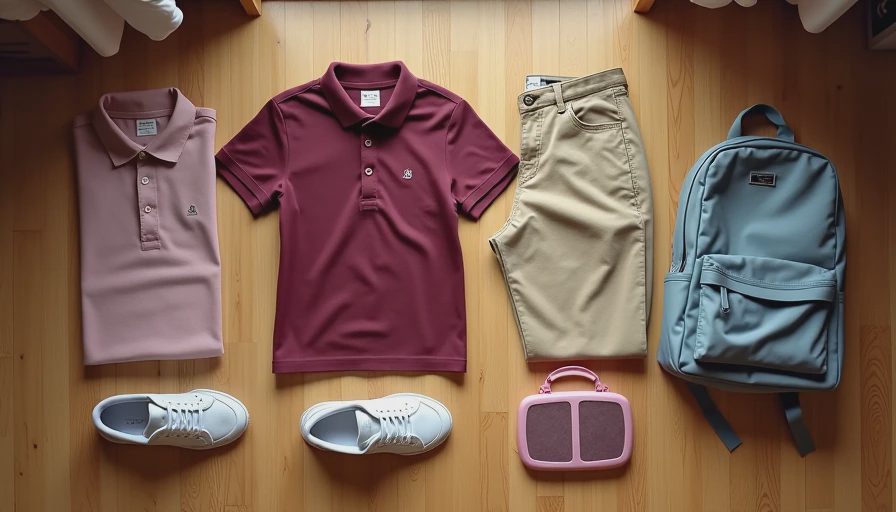
The laundry pile tells the truth
School clothes do not fail in the store. They fail in the washer. That is where the cheap stitching, weak knees, and weak dye start snitching on themselves. I have a cardboard box in the garage called The Graveyard, and most of the residents died by one of three causes: blown-out knees, mystery stain that would not leave, or waistband that gave up before the month was over.
The fix is boring, which is why it works. Buy darker bottoms in rotation. Save light-colored shirts for days when your kid is less likely to return looking like a finger-paint exhibit. Keep a stain stick by the hamper and hit grass or sauce before it sets. Wash cold unless the tag says otherwise. And if you are buying basics, the three-wash minimum matters. I do not trust a shirt until it has lived through school, reappeared in the laundry, and survived at least three cycles without shrinking into doll size or twisting like a rope.
Spend smart where the wear is real
This is where I save and where I do not. I will spend less on plain tees because a six-dollar tee from Old Navy or Target can do fine when you buy a few at a time. I will spend more on pants, hoodies, and shoes because those are the items that take the beating. A decent pair of kids jeans can run from the high teens to the mid-30s, and that extra ten bucks often buys you better knees, better stretch, and fewer early retirements.
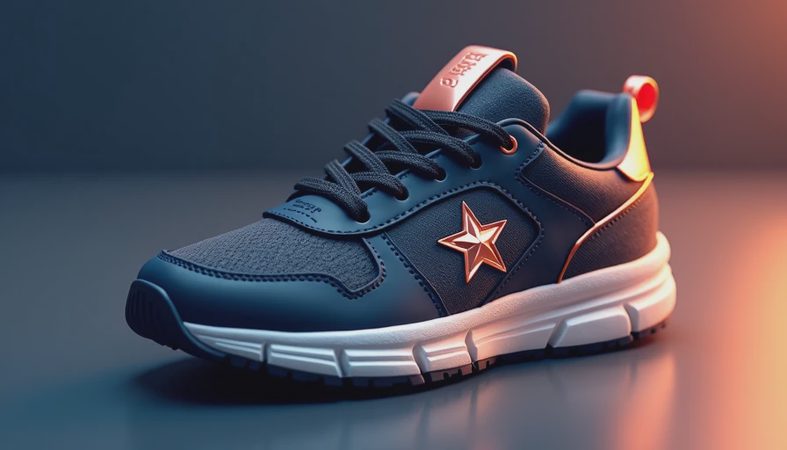
For shoes, I want the kid to like them enough to wear them and the sole to be thick enough to last. Nike, Adidas, New Balance, and Stride Rite all have options that work for different feet and budgets. No need to buy the most expensive pair in the store, but do not gamble on a bargain shoe that pinches on day one. If you are outfitting a grade-school kid, a realistic back-to-school budget is often somewhere between 120 and 250 dollars once you include shirts, bottoms, shoes, and a hoodie. Shop the sale racks, but keep the fit standard. Cheap and uncomfortable is still expensive when it never leaves the drawer.
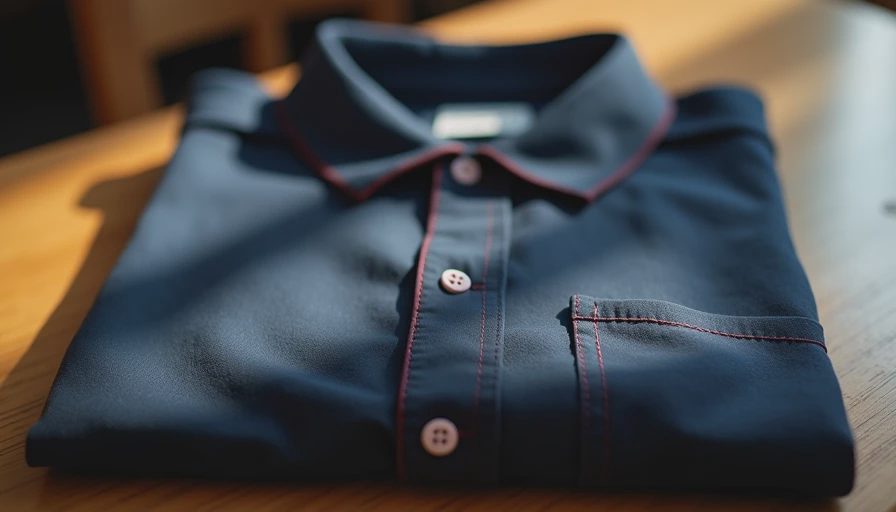
Make the closet work like a routine
I keep the closet set up by category, not by outfit. Tops on one side, pants together, layers folded where the kid can reach them. That sounds like a small thing until you are trying to get three children out the door before the first bell. When the pieces are visible, the kid is more likely to grab something that matches and less likely to ask you if a basketball shirt goes with pajama shorts.
For younger kids, I like to buy school clothes in even numbers so laundry day does not wreck the week. Six shirts, four bottoms, two sweatshirts, and enough underwear and socks to get through a forgotten wash is the sweet spot in our house. For bigger kids, let them help choose a few items they actually like. The trick is to give them one or two picks inside the guardrails. That keeps the fight down and the outfit count up.
The calendar matters as much as the cart
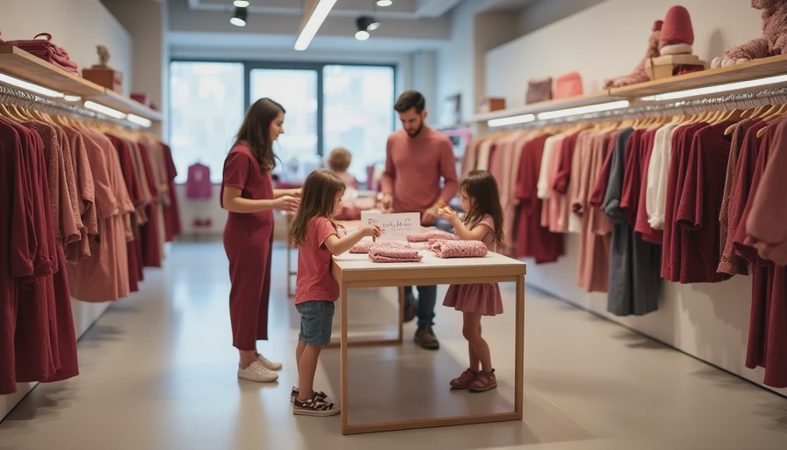
The best time to buy is not always the first day you think about it. End-of-summer markdowns can be gold, and so can the weeks right after Labor Day when stores are clearing back-to-school inventory. I also watch winter sales for hoodies and long sleeves because that is when the good stuff often gets cheaper. If you know your kid’s size runs true, buy one size up in pants for a little room. Do not go two sizes up and call it planning. That just turns the closet into a storage unit with sleeves.
If you want a simple way to shop, start with what is missing, not what looks fun. Count tops, bottoms, layers, and shoes, then fill the gaps. That is how you keep from buying four almost-identical shirts and still not having a clean one on Thursday. It is also how you keep school clothes from becoming a line item that sneaks up on you every August. The goal is not a perfect wardrobe. The goal is a kid who gets dressed fast, feels fine all day, and comes home with something still usable for tomorrow. Recess-tested. Dad-approved.


No comments yet — be the first to share a thought.