Tuesday morning, 7:42, Hallie is looking for one sock, Asher has spilled oatmeal on the dog, and the baby needs a clean outfit before preschool drop-off. That is where cute baby girl clothes earn their keep. They need to look sweet in a photo, feel comfortable during a floor crawl, and survive the washing machine without becoming doll-sized.
I have bought plenty of outfits that looked excellent on a store hanger and terrible after two washes. A stiff collar, a useless row of snaps, or a skirt that rides up during car-seat time can turn an ordinary morning into a full defensive play. My standard is simple: does the outfit work for a real child with real movement, food, naps, and laundry? If yes, it gets another look. If not, it goes in the Graveyard.
What makes baby clothes cute and useful
The best cute baby girl clothes usually combine one memorable detail with a practical base. That detail might be a small floral print, a bow attached securely to a headband, contrast stitching, or a soft ruffle around the sleeve. The base should be a comfortable cotton bodysuit, a flexible romper, or a simple dress with bloomers underneath. You do not need five decorations competing for attention.
The Donovan household rule is one focal point per outfit. If the dress has a busy print, I choose plain socks and a quiet cardigan. If the top has ruffles, the bottoms stay simple. This makes getting dressed faster and keeps the total cost reasonable because basic pieces can work with several outfits.
Look closely at the parts a baby actually touches. Seams should lie flat, elastic should not leave deep marks, and snaps should close without a wrestling match. For newborns, wide neck openings and two-way zippers are worth more than decorative buttons. A zipper that opens from the bottom also makes nighttime diaper changes less painful for everybody involved.
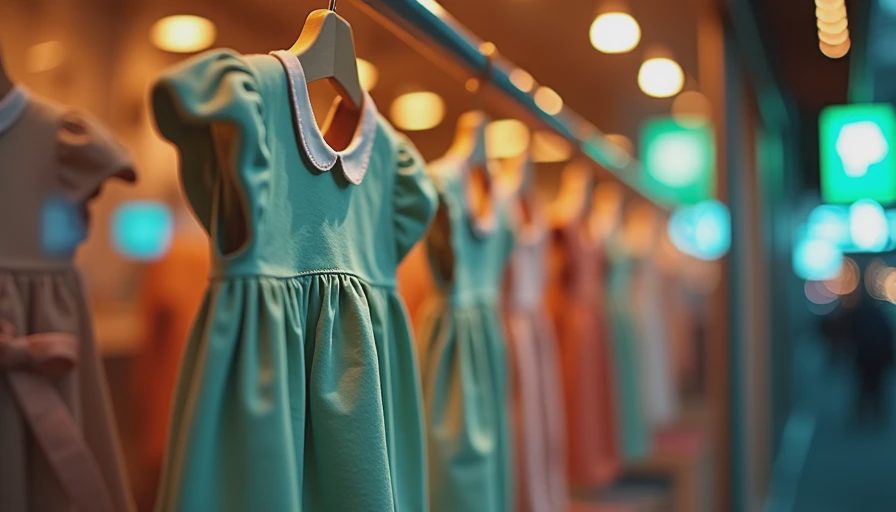
A good test is to hold the garment upside down and inspect its construction. Loose threads, scratchy tags, and heavy embellishments are warning signs. Clothes should not feel like costumes. The goal is an outfit a baby can wear from breakfast through a stroller walk without constant adjustment.
Fabrics that handle spit-up and laundry
Cotton is still the dependable starter for everyday baby clothes because it is soft, breathable, and easy to wash. Cotton blends can add stretch, which helps when a baby is growing quickly or a parent is pulling a shirt over a wiggly head. Rib-knit fabric is especially useful for bodysuits because it gives without feeling floppy.
For warm weather, lightweight cotton rompers and jersey dresses are practical. In cooler months, a cotton dress over leggings or a long-sleeve bodysuit under a jumper gives you layers without bulk. Avoid anything so thick that the baby seems trapped in it, especially in a car seat. The harness must sit correctly, and bulky outer layers should not be placed underneath the straps.
I use a three-wash minimum before recommending cute baby girl clothes. The first wash tells you almost nothing. By the third, you know whether the print fades, the collar curls, or the fabric develops those little laundry pills. Wash new clothes according to the care label, close snaps before laundering, and skip high heat when the fabric calls for a gentler setting. A $12 romper that lasts through a younger sibling is a better buy than a $28 outfit that looks tired after one weekend.
Outfit formulas for everyday life
For a regular day at home, start with a soft bodysuit, pull-on pants, and a cardigan or zip hoodie. This formula handles crawling, naps, and temperature changes. Cute baby girl clothes do not need to be complicated to look intentional. A striped bodysuit with solid pants can look just as put-together as a coordinated set, and you can replace one stained piece without losing the whole outfit.
For family pictures or a birthday gathering, a cotton dress with built-in bloomers is a reliable choice. The bloomers protect against diaper surprises and keep the outfit comfortable during floor play. Add a simple sweater if the event is indoors with strong air conditioning. Check the hem while the baby sits, not only while standing, because a dress that looks perfect on a hanger can bunch up around the waist.
For daycare, choose clothes that staff can change quickly. Front snaps, elastic waistbands, and machine-washable fabrics win here. Save complicated ties, delicate lace, and tiny accessories for supervised occasions. If a babysitter needs a diagram to understand the outfit, it probably belongs back in the closet.
Sizing without wasting money
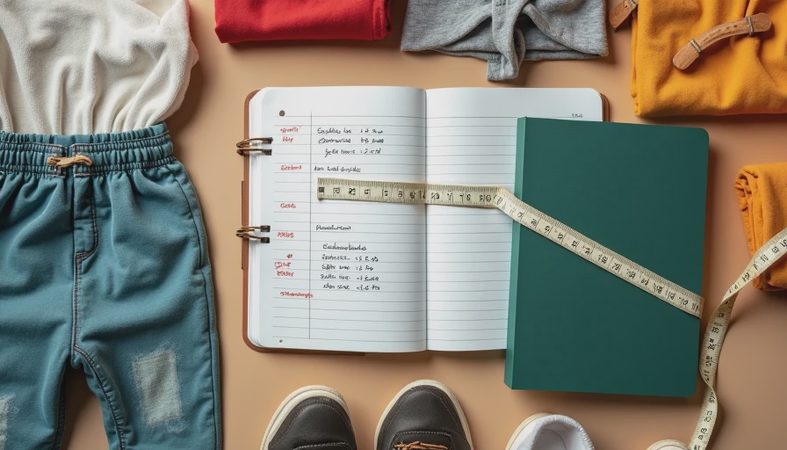
Babies do not read the size chart, and they certainly do not respect the season printed on the tag. One brand's three-to-six-month outfit can fit like another brand's six-to-nine-month piece. Measure your baby when possible, then compare those measurements with the garment chart instead of buying based only on age.
Buy enough room for a diaper and a little growth, but do not size up so far that sleeves cover the hands or legs drag underfoot. Oversized clothes create extra fabric around the car-seat harness and make movement harder. For a gift, a larger size can be smart if the season lines up, but include a gift receipt when possible.
Before buying cute baby girl clothes online, read reviews for fit comments rather than general praise. Phrases such as “runs short in the torso” or “snug around the thighs” are more useful than a five-star rating alone. Photograph the tag and receipt for outfits purchased as gifts; returns become much easier when the size is wrong.
Where to spend and where to save
Spend a little more on pieces that touch the skin every day, such as bodysuits, pajamas, and leggings. Better fabric and stronger snaps can justify an extra $5 to $10 when the item will be washed repeatedly. You can save on occasional dresses, seasonal accessories, and special-event outfits that might be worn only a few times.
Stores such as Carter's, Old Navy, Target, and Primary often make it easier to build a useful mix of basics and playful pieces. Boutique outfits can be beautiful, but inspect the care instructions before paying $40 or more for a dress. Hand-wash-only clothing has a short path from the shopping bag to the back of the closet in my house.
Secondhand stores and neighborhood clothing swaps are excellent for babies because many outfits are outgrown before they show much wear. Check snaps, elastic, stains, and drawstrings before bringing anything home. Cute baby girl clothes do not need a premium label; they need sound construction and a place in the weekly laundry rotation.
The five-minute checkout test
Before you buy, ask five questions. Can the baby sit, crawl, or be carried comfortably in it? Can an adult change a diaper without removing the entire outfit? Will it survive the washing routine? Does it work with at least two other pieces already in the drawer? Is the price fair for how often it will be worn?
If the answer is yes across the board, you have found a useful purchase rather than a photo prop. In the Donovan household, that is the difference between clothing we admire once and clothing we reach for every week. Choose soft fabrics, simple closures, and one fun detail. The result will look good at drop-off and still look decent after an encounter with applesauce.
That is the standard I trust: cute enough for the camera, tough enough for the laundry room, and comfortable enough for the child wearing it. Recess-tested. Dad-approved.

No comments yet — be the first to share a thought.