Tuesday morning, 7:42, Beckett is wearing one shoe, Hallie cannot find her jacket, and Asher has somehow put a sticker on his clean shirt. This is where Bonpoint enters the conversation. The French children's brand is known for polished clothes, soft fabrics, and prices that make a dad check whether the shirt comes with a small bicycle. I have spent enough years watching kids run, slide, spill, and lose buttons to ask the only question that matters: will the clothing work in an actual family?
What Bonpoint Does Well
Bonpoint makes clothing for babies, toddlers, and children with a noticeably refined look. You will see dresses, sweaters, shirts, pants, coats, pajamas, and accessories in gentle colors and traditional patterns. The pieces often feel special without relying on loud graphics or giant logos. That makes them useful for family photos, holidays, birthdays, school concerts, and the occasional dinner where nobody throws a bread roll.
The first thing I noticed was the hand feel. Several Bonpoint pieces use soft cotton, wool, or carefully finished blends that feel comfortable against a child's skin. Seams tend to be tidy, and details such as collars, cuffs, stitching, and buttons receive more attention than they do on ordinary playwear. That extra finishing is part of what you are paying for.
The Donovan household rule is simple: expensive clothes need a job. A pretty sweater that stays folded in a drawer is not earning its keep. Bonpoint makes sense when you want one reliable special-occasion outfit or a nicer everyday piece that can rotate with simpler basics from Target, Old Navy, Primary, or Hanna Andersson.

The Playground Test and the Three-Wash Minimum
I do not give a kids' clothing review after one afternoon in front of a mirror. Every recommendation gets the three-wash minimum. The item goes through at least three normal laundry cycles, gets worn while climbing, eating, and moving, and then gets inspected under the unforgiving light of the laundry room.
Bonpoint is not designed as rugged athletic gear, so I would not send a child into muddy soccer practice wearing a delicate knit or a pale party outfit. That is not a failure. A cashmere-style sweater should not be judged against a polyester team jersey. The fair test is whether the item holds its shape, remains comfortable, and still looks presentable after ordinary family wear.
For play, choose sturdy cotton pants, washable tops, cardigans, and relaxed layers. Keep fragile lace, fine knits, light-colored dresses, and structured coats for occasions where an adult can provide some supervision. At recess, kids do not remember whether a garment was expensive. They remember who got to go first on the swings.
After three washes, follow the care label instead of tossing everything into the hottest cycle. Cold or cool water, a mild detergent, and air-drying can help extend the life of delicate pieces. A garment bag is useful for small items with buttons or thin straps. These are boring steps, but boring steps keep the clothing out of my box labeled THE GRAVEYARD.
Sizing Bonpoint Without Guessing
Children's sizing can be frustrating because age labels are only a starting point. A tall, narrow seven-year-old and a compact seven-year-old may both wear the same age range but need different cuts. Before ordering Bonpoint, measure your child's height and compare it with the brand's current size chart. Measure the chest and waist when the garment category makes those dimensions important.
Leave room for movement, but do not automatically buy three sizes too large. Oversized sleeves catch on playground equipment, long hems drag through puddles, and a loose waistband becomes a daily argument. For a coat or sweater, a little growing room is practical. For fitted formal clothing, a closer match usually looks and feels better.
If you are buying a gift, ask the parent for height and current size rather than guessing from age. Keep the receipt and check the return window before removing tags. Bonpoint pieces can be seasonal, and a child who fits a short-sleeved top in June may need a different size by the time a holiday arrives.
One useful approach is to buy a single test item first. If the fit works through the shoulders, waist, and sleeves, then consider another piece. This avoids turning an expensive sizing mistake into a very elegant donation bag.
What the Price Means
Bonpoint is a premium children's label, and prices can range widely by category, fabric, season, and whether an item is new or discounted. Basic tops and accessories typically cost less than coats, dresses, formal outfits, or fine knitwear. New premium children's clothing can easily move from several dozen dollars into the low hundreds, so a complete wardrobe adds up quickly.
That price does not guarantee that a child will wear the item. It usually reflects fabric selection, construction, design, branding, and the store experience. My advice is to decide what role the item will play before buying it. A $90 cardigan worn twice is a poor purchase. A well-fitting cardigan worn every week for two school seasons can be easier to justify.
Bonpoint can become more approachable through seasonal sales, outlet-style discounts, resale platforms, consignment stores, and hand-me-downs. Inspect secondhand items for pilling, yellowing, stretched cuffs, missing buttons, and altered hems. Ask about washing history when possible. A lower price is not a bargain if the piece is already tired.
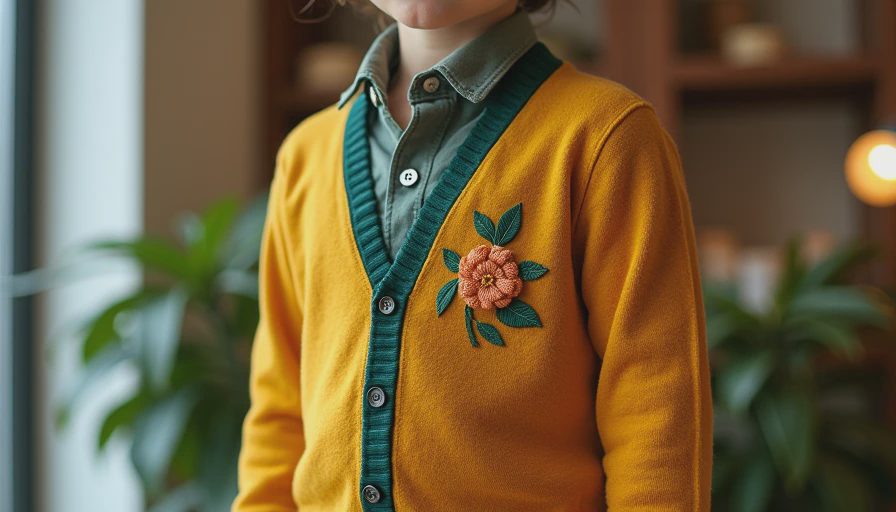
For many families, the smart move is one premium anchor item paired with affordable basics. A Bonpoint cardigan over a plain cotton shirt can make the whole outfit feel finished without requiring every item to carry a premium label.
Building an Outfit That Survives Real Life
Start with the activity, not the photograph. For school, choose comfortable pants or leggings, a soft shirt, and a layer that can come off during indoor time. For a family event, add a cleaner sweater, dress, skirt, or button-down. For a holiday, a Bonpoint piece can provide the polished part while practical shoes and washable basics handle everything else.
Avoid combining several high-maintenance items on the same day. A delicate sweater over a light shirt with a formal bottom creates three things to protect and three things to stain. Kids are not careless; they are busy. The outfit should allow them to sit on the floor, reach for crayons, and eat without a parent hovering like a museum guard.
Neutral layers also improve repeat wear. A soft cardigan can work with jeans, corduroy pants, a simple dress, or school uniform pieces. A patterned shirt may be memorable, but a flexible layer earns more laundry-day appearances. Bonpoint works best when it joins the existing closet rather than demanding a whole new one.
Final Dad's-Closet Take
Bonpoint is not the answer for every child or every budget. It is not the brand I would choose for a muddy field day, a summer camp uniform, or a child who refuses anything with a button. For those jobs, durable basics and athletic clothing are better tools.
It is a reasonable choice when you want thoughtful construction, soft materials, and a polished piece for a special event or regular rotation. Buy carefully, confirm measurements, follow the care label, and give each garment a real assignment. Start with one item, complete the three-wash minimum, and see whether it survives your household before spending more.
That is the standard here: clothes should look good, feel comfortable, and return from the laundry ready for another round. Bonpoint can meet that standard when used in the right lane. Just do not ask it to be soccer gear. Recess-tested. Dad-approved.
No comments yet — be the first to share a thought.