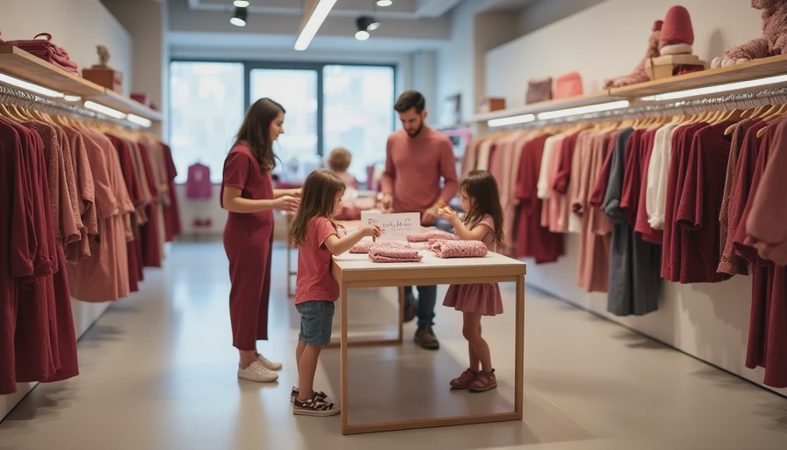
Tuesday morning, 7:42, Beckett is wearing one shoe and Hallie cannot find her lunchbox, which is how I know it is school season again. If you are buying boys school uniforms, the goal is not to win a style contest in the drop-off lane. The goal is simple: buy clothes that come back clean enough to wear again, fit long enough to matter, and do not make a kid miserable by third period. That is the Donovan household rule. If a shirt makes it past recess, the napkin test, and three washes without looking tired, then it earns a spot in the drawer.
Start with the school list, not the shopping cart
Before I buy anything, I read the dress code like a mechanic reads a repair order. Some schools want navy pants and white polos. Some want khaki and hunter green. Some allow shorts in warm weather, some do not. The trick is to match the list first and ignore the rest. A parent can waste real money chasing the wrong shade of tan or buying a logo that was never required. With boys school uniforms, the cheapest mistake is often the one you do not make. If the school allows any plain polo, I skip embroidery unless the school insists on it. That extra stitching does not help a kid on the playground, and it usually does not help your budget either.
When I shop, I look for backup pieces before I look for the quote-unquote nice ones. Two polos are not enough if one lands in the paint tray at art class. Three or four shirts and two pairs of pants is a safer starting point for most families. If your laundry turnaround is slow, build a little cushion. The first week of school is not the time to discover you own one pair of pants that fits and one that is still waiting for a growth spurt.
Fit matters more than brand names
Kids do not care about labels. They care whether the waistband digs in when they sit cross-legged and whether the shirt stays tucked long enough to get through morning assembly. For boys school uniforms, I buy pants with an adjustable waist whenever I can. That little inside elastic tab buys you months, sometimes a whole school year. For shirts, I want enough room in the shoulders that a kid can throw a backpack on without looking trapped.
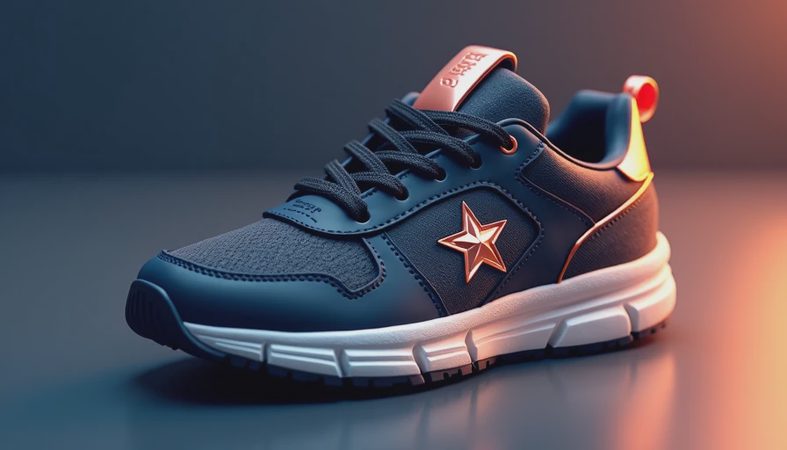
Do not chase room by going two sizes up. Oversized pants slide, shirts look sloppy, and kids spend all day yanking at them. Better to buy close to the right size and leave a little growth room. If your child is between sizes, I usually size up in pants and stay true in shirts. Shoes are a separate game. The pair needs to handle blacktop, gym floor, and wet grass. I have had better luck with plain sneakers from New Balance, Nike, Adidas, and Stride Rite than with anything that looks fancy but feels stiff.
A good fit also means fewer complaints at home. When a shirt collar does not rub and the waistband does not bite, nobody starts the day mad. That matters more than people admit.

Fabrics that pass the three-wash minimum
I do not trust boys school uniforms until they survive three washes. That is the minimum. One wash can fool you. Three washes tells the truth. Cheap cotton can feel fine on day one and then come out of the dryer with a neck that waves hello from across the room. Better shirts keep their shape, keep their color, and do not turn into sandpaper after one hot cycle.
For polos, I have had decent luck with French Toast, Lands' End, and Target's Cat & Jack when I stay inside the school color list. Dickies works well for tougher pants, especially if your kid is hard on knees and hems. Lands' End tends to cost more, but the shirts often hold up longer, so the price does not always work out as badly as it looks on the tag. Old Navy can be fine for basics if you watch the fabric weight and do not expect miracles. That is how I shop the whole drawer: one dependable pair, one cheaper backup, and no emotional attachment to anything that goes missing on field day.
The other thing I watch is stain behavior. Dark navy hides mystery marks better than light gray. Khaki looks clean until it does not. If your school allows it, a darker bottom can save you from replacing pants that should have lasted another semester.
Where to spend and where to save
This is where dads usually get trapped. They spend too much on the shirt nobody sees and too little on the pants that get dragged through everything. With boys school uniforms, I spend more on pants and shoes, less on plain tops. Pants take the beating. Shoes take the weather. Shirts just need to be neat, soft, and able to survive lunch.
Here is the practical money split I use in my own house. A basic polo should usually live somewhere around $8 to $15. A sturdier pant can run $14 to $25, and that range makes sense if the knees are reinforced or the waistband adjusts. Sweaters and uniform pullovers can jump to $20 to $35, so I only buy one unless the school is cold enough to justify a second. If you need a logo item for the school, buy one that fits well and do not build the whole rotation around it. That is how small costs turn into a not-small bill.
If you are shopping for multiple kids, buy in the same color family and label everything before the first wear. It takes ten minutes and saves you from the lunchroom mystery pile later.

The morning routine that saves the laundry room
The easiest way to survive uniforms is to make them boring in advance. I keep one clean set hanging together for each school day, including socks. If a shirt and pants live together on one hanger, a tired parent does not have to think at 6:55 a.m. That is worth a lot. I also keep a backup set in the closet for emergencies, because somebody will spill milk, sit in mud, or decide the backpack pocket is a good place for pudding.
For boys school uniforms, the laundry routine matters as much as the purchase. Zip zippers before washing, turn pants inside out if the knees are getting shiny, and do not overload the washer just to save one load. Overstuffed clothes come out wrinkled and stay wrinkled. I also avoid detergent that is so strong it leaves stiff fabric behind. A clean shirt that feels like cardboard is still a bad shirt.
One more habit helps: teach your kid to put the dirty stuff in one spot every day. The floor is not a hamper, even if the floor has been acting that way for years.
The mistakes I keep seeing every August
The biggest mistake is buying for the kid you hope shows up in October instead of the kid standing in front of you today. Too big is not better. It just means cuffs dragging, belts slipping, and a child who looks like he borrowed his cousin's closet. The second mistake is ignoring how often a school actually wears the uniform. If it is five days a week, plan for more pieces. If it is only a few days, you can buy leaner and replace later. The third mistake is choosing scratchy fabric because it was on sale. A cheap shirt that gets refused every morning is not a bargain.
If you want a simple plan, this is mine: check the dress code, buy one size-smart set, test the fabric after three washes, then add backup pieces where your child wears them out fastest. That is how I shop boys school uniforms without turning it into a weekend project. Recess-tested. Dad-approved.
No comments yet — be the first to share a thought.