Tuesday morning, 7:42, and Beckett is standing in the kitchen with one shoe on, Hallie can’t find her hoodie, and Asher has already asked if he can wear shorts again. That is the daily weather report in my house. The trick is not finding perfect clothes. The trick is building school outfits that make it out the door fast, survive recess, and still look decent after the backpack dump and the lunch spill. I have watched enough kids slide, climb, crawl, and wipe peanut butter on themselves to know this: if the fabric is flimsy, the morning will beat you. If the fit is wrong, your kid will fight you. If the price is silly, the washer will finish the job.
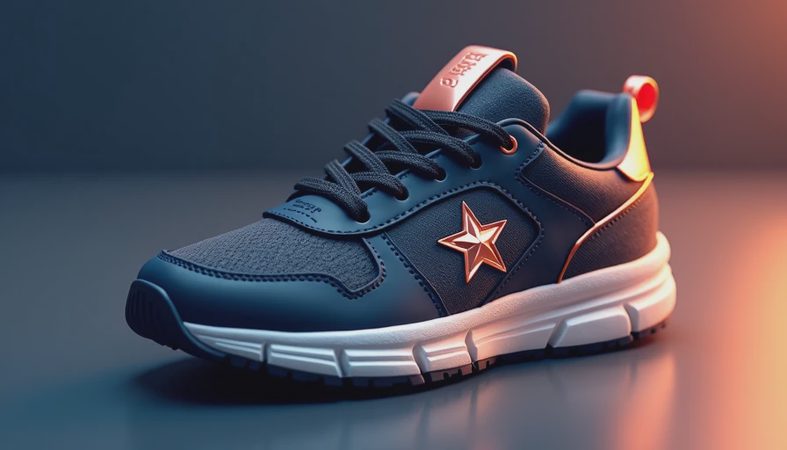
The Donovan household rule is simple: buy what gets worn twice a week, not what looks clever on a hanger. That means soft tees with enough body, joggers or jeans that bend at the knee, and shoes that a kid can manage without turning the mudroom into a hostage situation. Cat & Jack usually does well on basics, Old Navy has solid value when the seams are decent, and Hanes tees still do the heavy lifting when the budget is tight. For jeans, I like a little stretch from Levi’s or Gap when the price is right, because a stiff pair turns into a complaint by second bell. The point is not fashion talk. The point is getting dressed without drama.
School Outfits That Pass the Morning Test
When I build school outfits, I start with the morning test, not the mirror test. Can my kid put it on without help, can they sit on the carpet without tugging, and can they run from the car line to the classroom without tripping on a cuff? Those three questions save time and money. A shirt that twists at the neck or pants that pinch at the waist will get pushed to the back of the drawer, no matter how nice it looked in the store.
For tops, I like cotton tees with a little weight to them and long sleeves that are not cartoonishly long. The cheap shirts that go thin after two washes usually start at about $5 to $8, while better basics land closer to $10 to $15. That extra few dollars matters if it keeps the collar from baconing out. For bottoms, joggers around $12 to $18 are hard to beat for younger kids, and straight-cut jeans around $20 to $35 make more sense once they start wanting to look like the big kids. If your kid is hard on knees, darker colors buy you time without making every scuff look like a disaster.
The other thing I check is whether the waistband can handle a real breakfast. Some brands fit great in the store and then slide down by lunch because the rise is too shallow. That is a bad trade. Adjustable waist tabs are worth it for growing kids, especially if you are trying to stretch a size across a season. On the playground, the best clothes are the ones your kid forgets about. If they are pulling, squirming, or asking to change, the outfit already lost.
Building School Outfits Without Overbuying
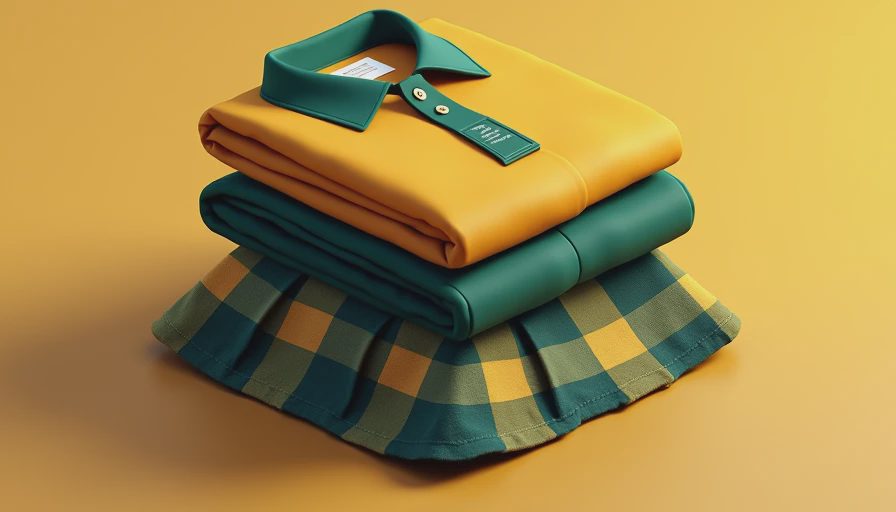
The easiest way to overspend is to buy a different plan for every weekday. I’ve done that, and it turns into a drawer full of random shirts that only match one pair of pants and a child who still says, “I don’t like this.” Instead, I build school outfits around a small rotation. Two good tees, two long-sleeve shirts, two pairs of pants, one pair of joggers, one hoodie, and one backup layer usually covers the week if the laundry is moving.
Here is where the three-wash minimum saves you from regret. I do not trust a new piece until it has gone through the washer and dryer three times. That is when you find out if the cuffs shrink, if the print cracks, or if the knees start to bag out. I have had budget joggers from Target hold up better than pricier pairs because the stitching was better. I have also had a nice-looking hoodie from a mall brand fall apart at the zipper after the second wash. The hangtag never tells you that story.
If you are shopping on a real budget, there is a sweet spot in the $60 to $100 range for a solid start-of-school refresh if you are replacing only the gap pieces. A couple tees, one sweatshirt, and a pair of pants can be enough when the closet already has leftovers that still pass the sniff test. Back-to-school sales in late July and early August are usually the time to buy, especially for basics. That is when I look at places like Target, Old Navy, Kohl’s, and Gap Factory, then compare the same item across a few carts before I hit buy.
The best school outfits also account for the actual life of the kid. If your kid loves art, choose darker pants and shirts that do not panic around markers. If your kid spends every recess on monkey bars, skip the stiff denim and go for a softer twill or athletic jogger. If your kid runs hot, a short-sleeve tee with a light zip hoodie works better than one heavy sweatshirt that gets stuffed in a cubby by 10 a.m. The goal is not to dress like a catalog. The goal is to keep the kid comfortable enough to stay in the clothes you paid for.
What I Check After the First Three Washes
This is where a lot of good-looking stuff gets exposed. After the first three washes, I check four things: shrink, twist, knee wear, and neck shape. Shrink is obvious. Twist shows up when a shirt seam starts drifting toward the side. Knee wear is the beginning of the end for any kid who lives on the floor. Neck shape matters more than people think, because once a collar gets floppy, the shirt starts looking tired before it should.
I also pay attention to color fade, because it tells you how hard the dye is working. A navy shirt that turns gray in a month is not a deal, no matter how cheap it was. Same with black joggers that collect lint like a magnet. These are the little things that make laundry feel endless. My fix is simple: wash inside out, skip the hottest dryer setting when you can, and do not overload the machine like you are trying to win a prize. I know that sounds boring, but boring is what keeps clothes alive.
If you are buying for more than one child, passing pieces down matters too. That is where neutral colors earn their keep. Gray, navy, olive, and faded black make school mornings easier because they mix with almost everything. In my house, a good hoodie can move from one kid to the next if the zipper still works and the cuffs have not blown out. That is real value. Not the price tag alone. The number of times the thing earns another school day.
The Grab-and-Go Closet Rule
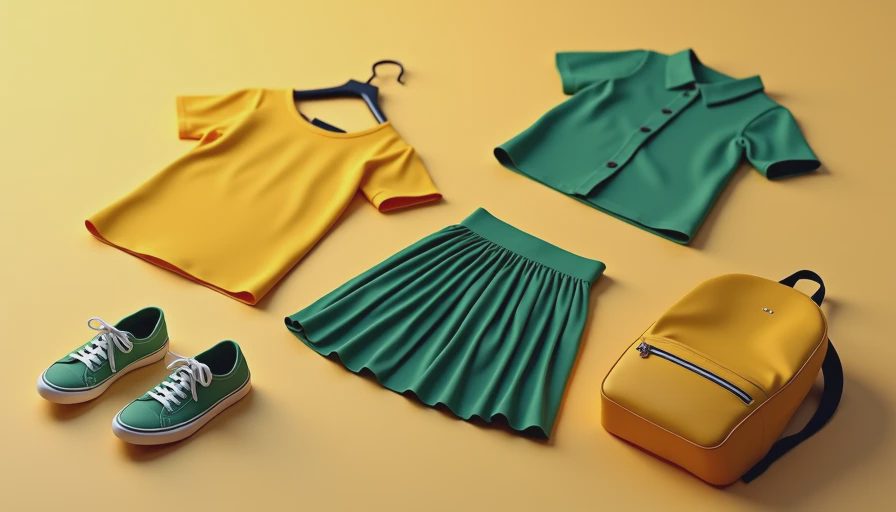
By now, I keep one section of the closet ready for the next morning. One top, one bottom, one layer, socks, and underwear all in reach. That is the grab-and-go rule. It cuts down on the “I can’t find anything” routine and keeps the decent pieces from being buried under the clothes that are technically clean but somehow always end up on the floor. If your kid is old enough, let them choose between two pre-approved options. They still get a say, and you still get a kid who is dressed before the coffee goes cold.
This is also where school outfits can get more seasonal without turning into a new shopping trip. In warm weather, I lean on breathable tees and shorts that hit above the knee without being a fight to wear. In colder months, I build with a base layer and a hoodie so the child can peel off a layer after the bus ride. For rainy weeks, a water-resistant jacket and a pair of shoes that dry overnight save you from buying a backup pair every time the forecast gets dramatic.
If you want the shortest possible version, here it is: start with comfort, check the wash test, and do not buy anything that requires constant fixing. The good stuff is usually the piece your kid stops noticing because it just works. That is the whole game. And if you can get there without spending a stupid amount of money, even better.
I have seen enough dead knees, blown seams, and sad collars to know what lasts. Keep the rotation simple, buy one size with some room if your kid is growing fast, and save the fancy stuff for pictures, not Tuesday. Recess-tested. Dad-approved.
No comments yet — be the first to share a thought.