Tuesday morning, 7:42, Beckett is wearing one shoe, Hallie cannot find her jacket, and Asher has somehow put a sock on his hand. This is when childrens designer clothes sound like a terrible idea. I understand the concern. Kids climb, spill, slide, and come home carrying half the playground in their pockets. But the right pieces can look sharp without becoming precious laundry-room furniture.
I spent 12 years watching elementary students test clothing harder than any showroom ever could. Now I run the Donovan household laundry, and every recommendation here faces the same question: will it survive a normal kid? Childrens designer clothes are worth considering when they offer better construction, useful comfort, and enough toughness to earn another wash.
What makes designer kidswear worth the money?
A designer label alone proves very little. I have put expensive shirts in our graveyard after one season because the collar curled, the knees thinned, or the zipper became a daily argument. I have also seen a well-made $70 sweatshirt outlive three cheaper $25 versions. The difference is usually in the fabric weight, stitching, fasteners, and cut rather than the name printed on the tag.
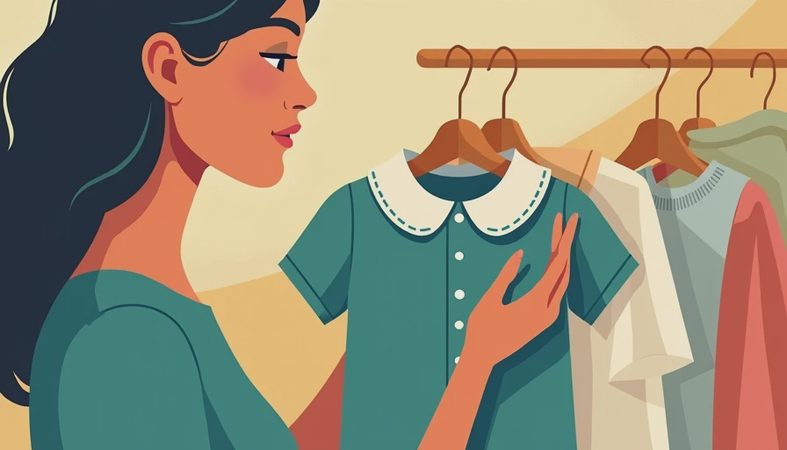
When I inspect childrens designer clothes, I look for reinforced seams at the shoulders and seat, smooth interior labels, sturdy snaps, and fabric that still feels substantial after washing. Cotton fleece should recover instead of becoming a limp towel. Denim should bend at the knees without splitting. A jacket should allow a child to raise both arms without exposing their back.
Price matters, too. A $120 coat worn twice is a poor purchase. A $90 jacket worn three times a week for two winters is a better calculation. The Donovan household rule is simple: buy the best version of a garment your child will actually wear, not the fanciest version available.
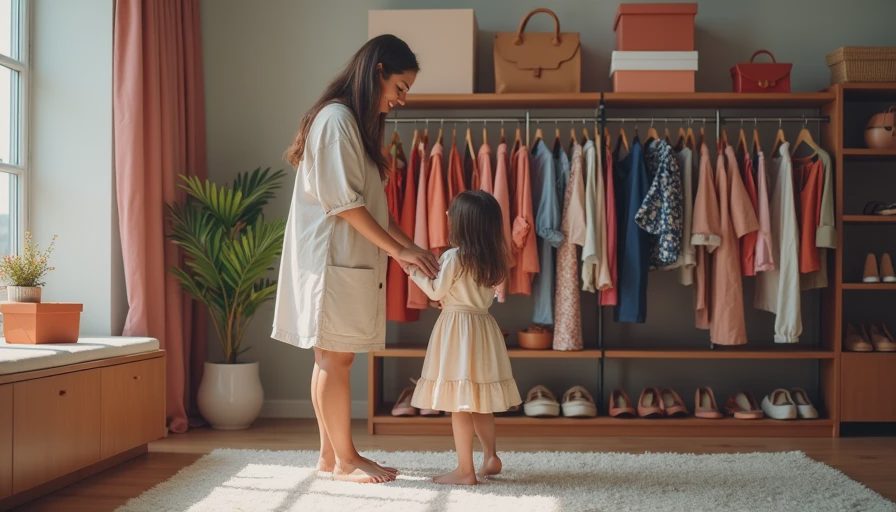
The playground test for childrens designer clothes
Before buying childrens designer clothes, picture a regular school day rather than a family photograph. Can your child sit cross-legged on asphalt? Can they climb a ladder, run after a ball, and carry a backpack? Will the sleeves stay put when they wash their hands? If the answer is no, the garment is decoration, not daily clothing.
My PE-teacher checklist is short. First, pinch the fabric at the knees, elbows, and seat. Those are high-friction zones. Second, tug gently at buttons and snaps. Loose hardware becomes a lost piece, a choking hazard for younger children, or a morning emergency. Third, check movement. Have your child squat, reach, and twist before removing tags. Clothing that restricts movement will spend more time on the floor than on the child.
Brands such as Mini Rodini, Stella McCartney Kids, Burberry Children, and Bonpoint occupy different price points and design lanes, so the label does not settle the question. Look at the individual garment. A graphic sweatshirt may handle school beautifully, while a structured outfit may belong at a birthday party or holiday dinner. Buy for the calendar your family actually lives.
How to buy without insulting your budget
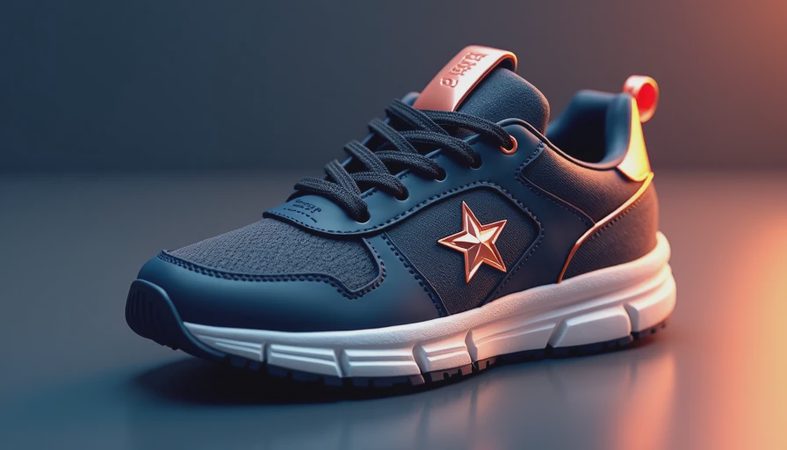
The smartest way to shop childrens designer clothes is to divide the closet into workhorses and special pieces. Workhorses include joggers, hoodies, knit tops, washable dresses, and everyday sneakers. These need to handle repeated washing. Special pieces can be a wool coat, formal shirt, party dress, or tailored blazer that gets less frequent use.
For workhorses, set a cost-per-wear target. A $65 sweater worn 20 times costs $3.25 per wear. A $30 sweater worn twice costs $15 per wear. That math is not magic, but it exposes the false bargain sitting in many sale baskets. If your child refuses itchy wool or dislikes a stiff waistband, the cost per wear is effectively infinite.
Shop end-of-season sales, verified resale sites, and brand outlet sections. Kids grow quickly, so excellent secondhand condition can be a better deal than a new item at full price. Leave room in sleeves and hems when possible, but do not buy two sizes too large. Oversized trousers catch on playground equipment, and long sleeves collect paint, food, and every wet surface in the building.
The three-wash minimum
I do not review childrens designer clothes after opening the package. In this house, the minimum is three washes. That is when you learn whether the dark blue bleeds, the graphic cracks, the elastic twists, or the garment shrinks into a doll outfit.
Read the care label before buying. If a supposedly everyday shirt requires hand washing and flat drying, price the time honestly. A delicate piece may still be worthwhile, but it should not be mistaken for a school-week basic. For machine-washable items, turn graphics inside out, use a cool cycle when practical, and avoid overloading the washer. Heat is often the villain behind shrunken cotton and tired elastic.
I once bought an expensive cream sweatshirt for Hallie because it looked wonderfully soft. After three washes, it looked like it had attended every lunchroom fight in the district. The fabric survived; the color choice did not. That failure sits in the graveyard under “Dad got ambitious.” Childrens designer clothes need to match your child’s habits, not just your taste.
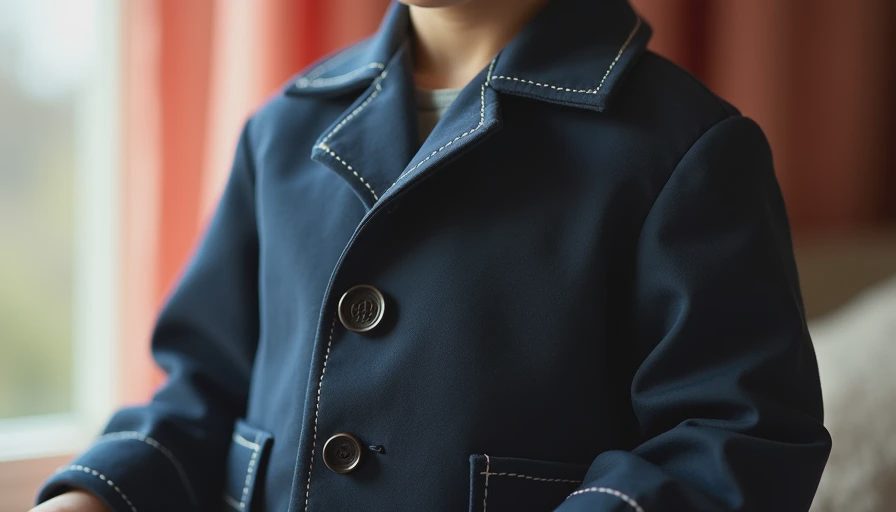
Sizing, comfort, and the kid approval factor
The best childrens designer clothes are the clothes a child chooses without a negotiation. Check the brand’s measurement chart, then compare it with a garment that already fits. Age labels are inconsistent. One brand’s 6 can fit like another brand’s 7, especially in European lines.
For younger children, favor wide openings, adjustable waistbands, and easy snaps. For older kids, ask about the details adults miss: scratchy tags, tight cuffs, slippery linings, and pockets that are too small for a collection of rocks. A beautiful coat that makes a child complain every time it goes on is not a successful purchase.
Before buying online, inspect the return policy and note whether sale items are final sale. Measure twice if the garment is expensive. A quick photo of your child standing beside a tape measure can prevent a costly guess. Keep the receipt until the first full day of school proves the fit works.
A practical shopping plan for dads
Start with a small test, not a full wardrobe. Choose one everyday top, one bottom, and one outer layer. Wash each three times, watch how your child moves in them, and inspect the high-wear areas. If all three pass, consider adding another piece from the same line.
A useful starter budget might be $40 to $80 for a durable top, $50 to $100 for everyday pants, and $90 to $200 for a coat, depending on materials and brand. You do not need a closet full of labels. Two reliable outfits, one flexible layer, and shoes suited to the season will do more work than ten special-occasion items.
When friends ask where to find childrens designer clothes, my answer is predictable: begin with the laundry, the playground, and your child’s actual preferences. Spend more only where construction earns it. Skip anything that needs constant supervision, uncomfortable styling, or a delicate relationship with grass.
That is the whole test. Good childrens designer clothes should make mornings easier, not create another project. If a piece looks good, moves freely, washes well, and comes back home in one piece, it has earned a spot in the rotation. Recess-tested. Dad-approved.
No comments yet — be the first to share a thought.