Tuesday morning, 7:42, and Asher is wearing one sock, no pants, and a determined look that says the diaper change is officially canceled. In moments like that, organic cotton baby clothes are less about looking precious and more about getting a wiggly kid dressed without a wrestling match. After years of playground duty and four years running the Donovan laundry operation, I look for soft fabric, useful snaps, sturdy seams, and clothes that survive repeated washing. Recess-tested. Dad-approved.
What organic cotton actually means
Organic cotton is grown under organic farming standards that restrict certain synthetic pesticides and fertilizers. The finished garment is still cotton, not a magical new material, so the label does not automatically tell you whether it will be comfortable or durable. The quality depends on the weave, stitching, finishing, and care instructions.
You will see certifications such as GOTS, which addresses fiber standards and includes environmental and social criteria through processing. That is more meaningful than a vague front-label claim that simply says “natural.” OEKO-TEX certification focuses on testing finished textiles for certain harmful substances. These certifications are not identical, so read the product page instead of assuming every green leaf on the packaging means the same thing.
The Donovan household rule is simple: buy the fabric for the child, but judge the garment by its construction. A soft bodysuit with weak snaps is still a bad bodysuit. A plain cotton sleeper with reinforced feet and a reliable zipper can become the item you reach for every night.
Why dads notice the difference in the laundry room
Organic cotton baby clothes can feel comfortable against a baby's skin, especially when the garment is made without a rough finish or heavy decoration. Still, “organic” does not mean stain-proof, shrink-proof, or indestructible. Milk, puree, diaper leaks, grass, and sidewalk dust remain undefeated opponents.
For daily wear, I prefer cotton with a little substance rather than paper-thin fabric. A ribbed bodysuit usually stretches over a baby's head more easily than a stiff jersey top. Two-way zippers are useful during nighttime changes, while traditional snaps can be faster when you only need access at the bottom. Check that the snaps are firmly attached and that the zipper guard covers the baby's chin.
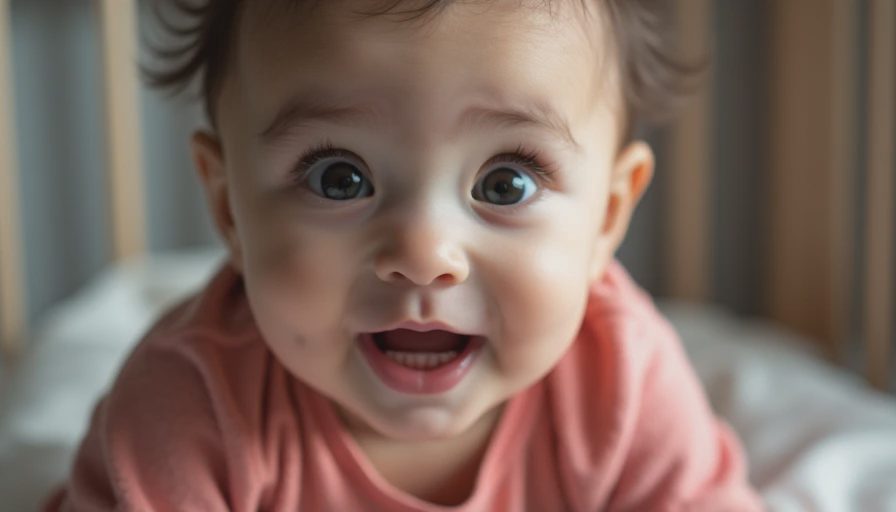
In my experience, price is not a perfect predictor. A $12 multipack can outperform a $28 single piece if its seams are clean and its waistband stays flat. On the other hand, a bargain sleeper that twists after two washes is expensive when it becomes laundry-room decoration. Before buying a full drawer, purchase one piece and run it through at least three washes. That is the minimum test in this house.
How to test softness, fit, and construction
Start with the neck opening. It should stretch enough for dressing but recover its shape afterward. Pull gently at the side seam; loose threads or puckering are warning signs. Look inside the garment for scratchy tags, bulky seams, or exposed elastic. Babies do not provide customer feedback in complete sentences, but they are excellent at rejecting uncomfortable clothing.
For organic cotton baby clothes, sizing deserves special attention. One brand's three-month size may fit like another brand's newborn size, so compare the listed height and weight ranges. If the baby is between sizes, consider the season and garment type. A slightly roomy sleeper can be useful, but oversized footed pajamas can bunch around the legs and make movement awkward.
Look at the washing instructions before checkout. If a garment requires cold hand washing and flat drying, it might be lovely but impractical for a household already processing a mountain of towels. Machine-washable cotton is usually the sensible choice for everyday basics. Wash dark colors separately the first time, and do not use high heat unless the care label permits it.
Brands and price points worth comparing
Burt's Bees Baby is widely known for cotton baby basics and multipacks, often making it a practical starting point when you need several bodysuits or sleepers. Hanna Andersson is typically more expensive, but its cotton pajamas and playwear are often chosen for substantial fabric and long use. Primary offers simple everyday pieces in bright, kid-friendly colors, while Pact has offered organic cotton basics at a midrange price point in various collections.
Those names are starting points, not automatic winners. Retail prices change, promotions come and go, and each collection can fit differently. Expect to see single basics around $10 to $25, with premium sleepers and outfits reaching $30 or more. Multipacks can lower the per-piece cost, but only if your baby will wear the whole pack. Five identical white bodysuits are not a bargain if your household lives on tomato sauce.
When shopping for organic cotton baby clothes, compare the total value: fabric weight, number of wears, wash method, and resale or hand-me-down potential. A $20 sleeper worn 40 times is doing better work than a $9 sleeper retired after four washes.
A practical starter drawer
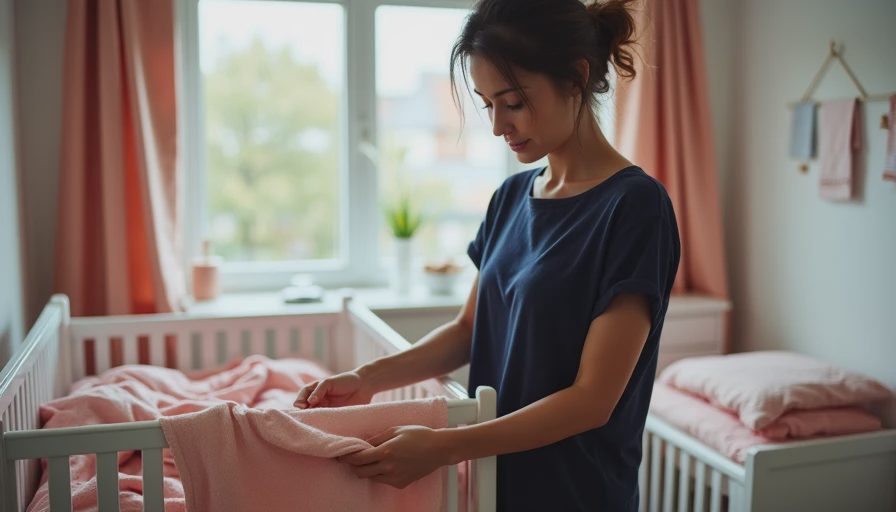
A newborn or young infant does not need a fashion department. Start with six to eight bodysuits, four sleepers, two lightweight pants, two long-sleeve tops, and a couple of weather-appropriate layers. Add more only after you learn what your child actually wears. Some babies hate shirts pulled over their heads. Some spend their entire first year in zippered sleepers. Your method probably has its reasons, and I am not in your house.
Choose colors and patterns that make stains visible enough to treat but not so precious that one blueberry incident ruins your morning. Keep a small supply of stain remover designed for baby laundry, and treat food or milk stains before drying. Once heat sets a stain, you are negotiating instead of cleaning.
For hand-me-downs, inspect elastic, snaps, cuffs, and knees before putting anything in the drawer. Cotton can look fine while the waistband has quietly surrendered. If a piece has a strong detergent smell, wash it before use. Comfort is the goal, not a particular label.
The three-wash buying checklist
Before placing a larger order for organic cotton baby clothes, check five things. First, confirm the fiber content rather than relying on the product title. Second, look for a certification and understand what it covers. Third, inspect close-up photos for snaps, seams, cuffs, and zipper guards. Fourth, read the care instructions and decide whether they fit your real laundry routine. Fifth, buy one test garment before committing to a seasonal haul.
After three washes, check for shrinkage, twisting, pilling, fading, and stretched openings. Try the garment on your child during a normal day, not a staged photo. Did the sleeper stay comfortable in the car seat? Did the bodysuit ride up during crawling? Did the pants survive a high-chair meal? Those answers matter more than a clever product description.
Organic cotton baby clothes can be a smart choice when the construction matches your family’s routine. Pay for useful details, not just a pleasant label, and choose pieces that make dressing and washing less frustrating. The best baby clothing is the stuff that disappears into the day: soft enough to wear, sturdy enough to wash, and affordable enough to buy again. Recess-tested. Dad-approved.

No comments yet — be the first to share a thought.