Tuesday morning, 7:42, and the baby has already produced a laundry emergency before anyone finds the car keys. Choosing newborn girl clothes is less about building a tiny celebrity wardrobe and more about finding soft, washable pieces that are easy to put on a wiggly infant. I have spent years watching kids destroy perfectly good clothing on playgrounds, and babies are no less committed to the job. The winners are comfortable, practical, and ready for another trip through the washer.
Start With Fabric, Fasteners, and Fit
The best newborn girl clothes feel soft without being fragile. Cotton is the dependable starting point because it breathes, washes easily, and does not require a special ceremony every time there is spit-up on the shoulder. Cotton jersey bodysuits, ribbed sleepers, and simple pants handled repeated washing better than most fancy blends in our house.
Look closely at the closures. Two-way zippers are excellent on sleepers because a diaper change does not require undressing the whole baby. Snaps are also useful, especially when they are firmly attached and lined up without a wrestling match. Avoid clothing with rough seams, scratchy tags, stiff waistbands, or decorative pieces that can come loose. A newborn spends most of the day being held, fed, or asleep, so comfort is not a bonus feature.
Sizing deserves more attention than the age printed on the label. Newborn sizes can fit for a few weeks, while some babies skip them completely and begin in 0 to 3 months. Buy a small amount in newborn sizing, then put more money into the next size. A sleeve that is slightly long can be folded. A tight neck opening, however, becomes a morning problem immediately.
A Practical Newborn Clothing Rotation
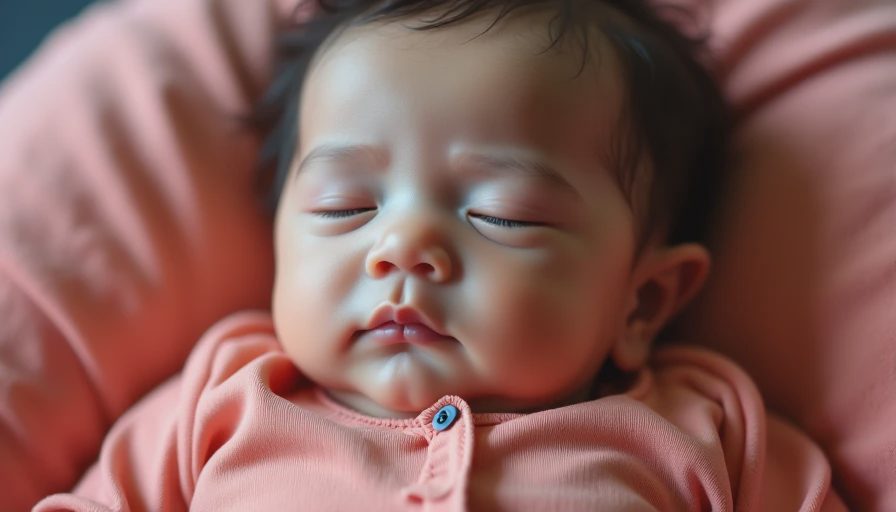
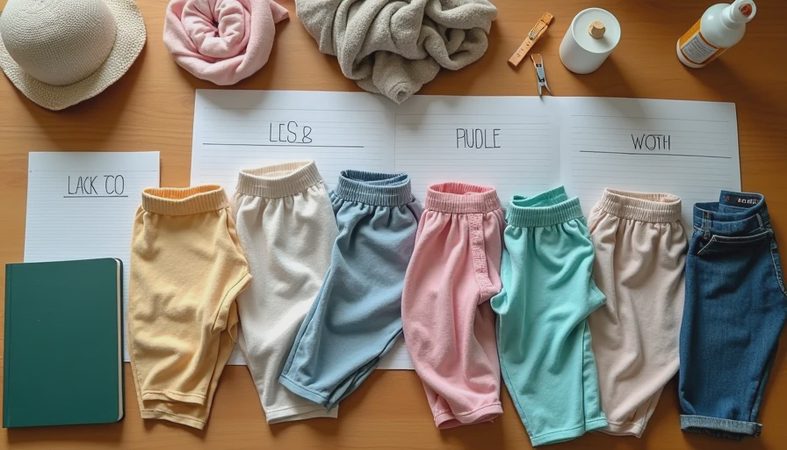
A useful drawer of newborn girl clothes does not need to be enormous. Start with several short-sleeve or long-sleeve bodysuits, depending on the season, plus a few zippered sleepers. Add soft pants, socks that stay on reasonably well, and one or two cardigans or lightweight jackets for temperature changes. If you live somewhere cold, layering is more useful than buying one heavy outfit that only works for a narrow range of conditions.
The Donovan household rule is to buy clothes in groups that can work together. A plain cream bodysuit should match several pairs of pants. A pink sleeper should be comfortable enough for a nap, not reserved for one carefully photographed afternoon. This approach cuts down on lost socks and makes the 2 a.m. change faster.
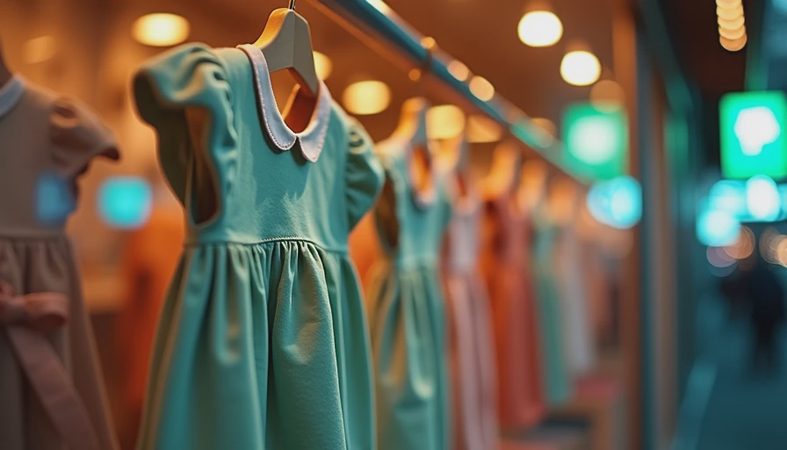
For newborn girl clothes, dresses are charming but not always the easiest first choice. A dress over a diaper can ride up in a car seat, bunch under a blanket, or make a diaper change unnecessarily complicated. If you love the look, choose a soft dress with a built-in bodysuit or pair it with tights and a simple undershirt. Save the complicated outfit for a short visit when you have backup clothes nearby.
What Survives the Laundry Pile
I do not review anything after one wash. That is not a review; that is an unboxing video with better lighting. The three-wash minimum is the household standard. After three ordinary cycles, you can see whether the fabric pills, the snaps loosen, the elastic twists, or the zipper starts catching.
Several brands commonly found in American stores offer useful options. Carter's is easy to find and often has multipacks that make sense for fast-growing babies. Burt's Bees Baby is known for soft organic cotton basics, although some pieces cost more than an everyday multipack. Gerber remains a practical source for simple bodysuits and sleepers, particularly when you want inexpensive extras for the diaper bag. Hanna Andersson tends to cost more, but its sturdier cotton pieces can be worth considering when you want hand-me-down potential.
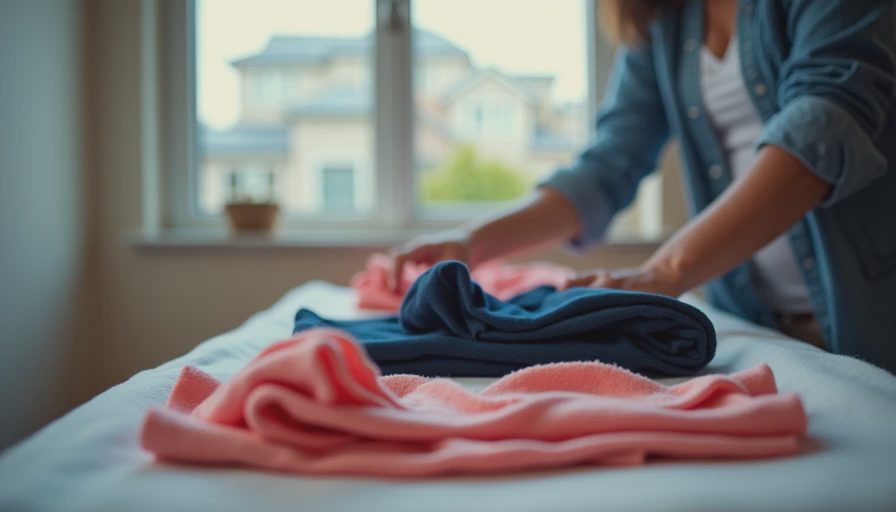
Prices vary by brand and sale timing, but a reasonable starting budget is about $50 to $100 for a small newborn rotation. Spend more on the pieces that touch skin all day and less on backup outfits likely to meet a bottle, a diaper leak, or the floor. Wash new items before wearing them, follow the care label, and skip fabric softener if it irritates your baby's skin.
Weather, Sleep, and Safety
Season should control the plan more than the color or decoration. A summer baby may need lightweight cotton bodysuits and a breathable sleeper, while a winter baby needs layers that can be adjusted indoors. Newborns can lose or gain warmth quickly, so check the baby's chest or back rather than guessing from cold hands and feet. A pediatrician can help if you are unsure about comfortable sleep clothing.
For sleep, use clothing designed for safe sleep rather than loose blankets, bulky hoodies, or oversized accessories. A properly sized sleeper or wearable blanket can be more practical than a beautiful outfit with long ties, loose ribbons, or extra material. Keep drawstrings and small detachable decorations out of the crib. Car-seat straps also need to sit correctly, so remove thick coats before buckling and use a blanket over the secured harness when appropriate.
When buying newborn girl clothes as a gift, practical packaging beats a giant decorative basket. Include a few different sizes, a pack of bodysuits, and a zippered sleeper. Parents often receive plenty of tiny special-occasion pieces and run short on the plain items needed every day. A gift receipt is helpful because babies do not follow the size chart.
A Quick Shopping Check Before You Pay
Before buying, check the neck opening with one hand, inspect the seams, and operate every snap or zipper once. If it feels difficult in the store, it will feel worse at midnight. Hold the fabric up to the light to spot thin areas, then look at the care label. “Machine wash cold” is convenient; “dry clean only” is a joke nobody needs in the newborn months.
Think about where the item will be worn. A photo outfit can be delicate if it has a clear purpose, but daily clothes should handle food, drool, and ordinary floor time. Look for pieces that can be washed with the household load instead of creating a separate laundry project. Newborn girl clothes earn their place when they get worn, washed, and worn again without making you negotiate with a tiny person.
My own mistake was buying too many outfits in one newborn size before our third child arrived. Some were worn once, some never made it out of the drawer, and one still has its tags attached. The better plan is a modest first batch, a few useful layers, and a quick restock after you learn the baby's growth pattern and your laundry schedule.
The Dad-Tested Bottom Line
The right newborn girl clothes are soft, easy to fasten, machine washable, and sized with a little room to grow. Choose reliable basics first, add a few fun pieces second, and inspect every item for comfort and safe use. You do not need a perfect closet. You need a drawer that works when the baby is hungry, the dryer is full, and somebody has just spit up on your clean shirt.
If you are shopping today, start with cotton bodysuits, two-way zip sleepers, simple pants, and one weather-appropriate layer. Add dresses or coordinated sets only after the daily essentials are covered. That formula has survived three kids, countless laundry loads, and more than a few breakfast-related disasters in the Donovan household. Recess-tested. Dad-approved.

No comments yet — be the first to share a thought.