Tuesday morning, 7:42, Beckett is wearing one shoe, Hallie cannot find her backpack, and Asher has somehow put yogurt on a clean shirt before leaving the kitchen. That is normal kid clothing territory. The right childrens designer shirts can still look sharp in that chaos, but they need to do more than look good on a product page. They need to survive school, snacks, car-seat buckles, playground equipment, and a washer operated by a tired dad.
I spent 12 years watching elementary students sprint, slide, and turn perfectly good clothes into science experiments. Since becoming a stay-at-home dad, I have added thousands of laundry cycles to the field research. My rule is simple: a shirt earns repeat-buy status only after three washes and at least one real-world test. Anything less is advertising, not evidence.
What Makes a Designer Shirt Worth the Price?
The label alone is not a reason to spend $60 or $90 on a child’s shirt. A worthwhile purchase usually has stronger stitching, fabric that keeps its shape, and details that make dressing easier. Look closely at the collar. It should lie flat after washing instead of curling like a potato chip. Check the buttons, too. They should be firmly attached, with a spare included when possible.
For childrens designer shirts, cotton is usually the safest starting point. A cotton jersey shirt feels comfortable for school and handles regular washing well. Oxford cotton works better for family photos, holiday dinners, and dressier school events, although it can feel stiff if the weave is heavy. Cotton blends with a little elastane can offer useful stretch, especially for kids who climb everything in reach.
I am less impressed by a shirt that needs special handling than one that comes out of a normal cold wash looking ready for Tuesday. If the care label requires dry cleaning, hand washing, or a complicated drying routine, the price has to be exceptional before I consider it. In the Donovan household, the laundry pile does not negotiate.
Best Styles for School, Parties, and Pictures
The most useful childrens designer shirts cover several jobs. A soft polo can handle classroom mornings, family brunch, and a soccer game when paired with shorts. A button-down with a little room through the shoulders works for school concerts and holiday meals. For younger children, a mock-neck or neat crewneck can provide a polished look without buttons becoming a daily battle.
Patterns deserve a practical test. Small checks, thin stripes, and simple solid colors hide breakfast evidence better than pale, completely plain fabric. Navy, forest green, burgundy, and medium blue have been dependable in my house. White looks excellent for approximately eleven minutes, particularly when Asher is nearby with a marker.
Avoid shirts with too many decorative pieces. Large metal badges, dangling cords, and stiff patches can catch on playground equipment or annoy a child during the school day. A clean embroidered logo is often enough. The best childrens designer shirts give a kid freedom to move instead of making him feel like he is wearing a costume.
Sizing matters more than the number on the tag. Compare shoulder width, sleeve length, and body length against a shirt your child already wears. A shirt that is slightly roomy can provide a longer useful life, but oversized sleeves get dragged through lunch and sink water. I would rather buy a well-fitting shirt at $35 than an expensive shirt two sizes too large.
Brands and Price Tiers That Make Sense
Families can find childrens designer shirts across a wide range. Brands such as Ralph Lauren, Tommy Hilfiger, Tea Collection, Hanna Andersson, and Jacadi occupy different price points and styles, so the name does not tell the whole story. Ralph Lauren polos are familiar and often easy to find during sales. Hanna Andersson is known for comfortable everyday children’s clothing. Tea Collection tends to offer playful prints and practical casual pieces. Jacadi leans more formal and can make sense for special occasions rather than playground rotation.
Expect many premium children’s shirts to land between $30 and $80 at full price, with formal or luxury pieces climbing higher. That does not mean paying full price is necessary. End-of-season sales, outlet sections, resale platforms, and department-store promotions can reduce a $70 shirt to $25 or $40. I have had better results buying two proven shirts on sale than chasing a large wardrobe from one expensive collection.
When comparing childrens designer shirts, calculate cost per wear. A $24 shirt worn 30 times costs 80 cents per wear. A $65 shirt worn twice because it itches, wrinkles, or gets rejected by your child costs $32.50 per wear. The math is not complicated, but it is a useful guardrail when the photos are doing too much selling.
The Three-Wash Test at Home
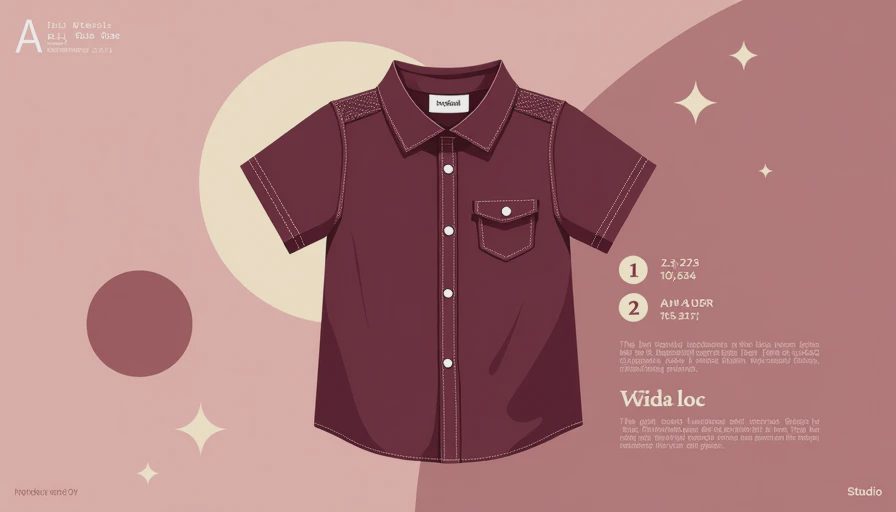
Before removing tags, inspect the shirt under good light. Look for loose threads, crooked seams, thin fabric, and buttons that already wobble. Then measure the sleeve and body length if fit is a concern. Keep the receipt until the garment passes its first test.
Wash it according to the label, but use the routine your household can realistically repeat. For most cotton shirts, that means a cold or warm cycle with ordinary detergent and a low-heat dry or air drying. Do not test a shirt with an unusually gentle routine you will never use again. The point is to see whether it survives real life, not a laboratory.
After three washes, inspect the collar, cuffs, seams, and printed details. Ask your child whether it feels comfortable while reaching, bending, and sitting. If the shirt shrinks noticeably, twists at the side seam, or develops a rough texture, it has failed the test. Some childrens designer shirts look excellent after one wear but lose their shape by wash three. That is how garments end up in my cardboard box labeled THE GRAVEYARD.
How to Build a Useful Small Rotation
A child does not need twelve premium shirts. Start with two everyday polos or crewnecks, one button-down, and one shirt reserved for occasions. Add another casual shirt if laundry happens only once or twice a week. This gives you options without filling a drawer with clothes your child will outgrow before wearing.
Choose pieces that work with existing pants and shoes. A navy polo can pair with jeans, khakis, or athletic shorts. A checked button-down can sit over a T-shirt when the weather changes. A dressier shirt should not require special pants, special shoes, and a special attitude from a six-year-old.
Keep one backup in the car or school bag during messy seasons. A $12 basic shirt can handle this job perfectly; it does not need to be designer clothing. Premium childrens designer shirts are most valuable when they improve comfort, durability, or versatility, not when they simply add a recognizable logo.
A Dad’s Buying Checklist
Before checkout, confirm the fabric, care instructions, return policy, and actual measurements. Look for reinforced seams and buttons that feel secure. Read customer comments for repeated complaints about shrinking, scratchy labels, or narrow sleeves rather than focusing on one dramatic review.
Think about your child’s calendar. A shirt for picture day needs a different job than one for recess. If your child hates collars, do not buy three collared shirts because they look good in a catalog. If your washer is already running every day, choose garments that can join the regular load.
Most importantly, let the kid move in it before you decide it works. Good childrens designer shirts should pass the reach test, the sit-down test, and the snack test. They should look presentable without demanding constant supervision. That is the difference between a useful upgrade and an expensive hanger decoration.
The winning shirt in my house is rarely the fanciest one. It is the shirt Beckett grabs without arguing, the one Hallie can button herself, and the one that still looks decent after Asher contributes an unplanned stain. Buy fewer, test carefully, and wait for a real sale when the quality earns it. Recess-tested. Dad-approved.


No comments yet — be the first to share a thought.