Tuesday morning, 7:42, Beckett is wearing one shoe, Hallie cannot find her jacket, and Asher has somehow put a granola bar in his pocket for later. This is not the moment for precious clothing. It is, however, a good moment to talk about designer kids clothes that can handle an actual childhood.
I spent 12 years watching elementary students sprint, slide, climb, and spill across a playground in Boise. Now I run the laundry for three kids of my own. That combination has made me suspicious of anything marketed as special-occasion clothing when it cannot survive a basic washing machine. The right designer kids clothes should fit comfortably, wash predictably, and give your child room to be a kid.
What makes a designer piece worth the money?
A higher price does not automatically mean better clothing. Some expensive pieces use sturdy cotton, reinforced stitching, quality zippers, and fabric that keeps its shape after repeated washing. Others simply carry a recognizable label. Those are very different purchases.
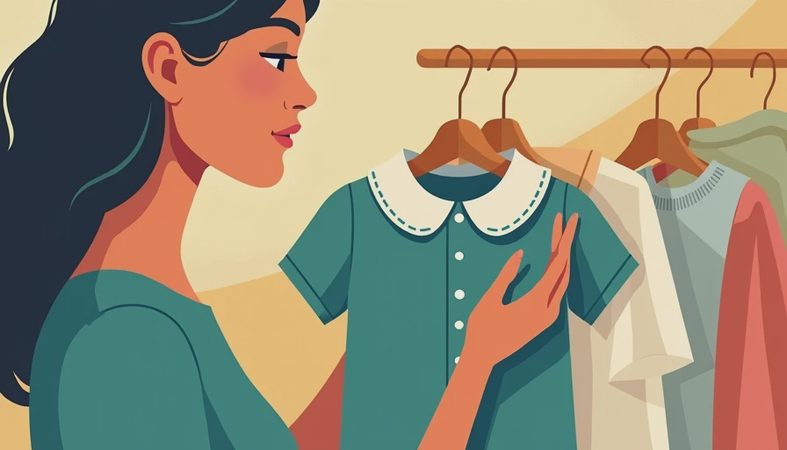
The Donovan household rule is simple: pay for construction, not bragging rights. Before buying, turn the garment inside out. Look at the seams around the knees, cuffs, collar, and pockets. Loose threads are not a good sign at $25 or $125. Check whether buttons feel firmly attached and whether the zipper moves without catching. For pants, pull gently at the waistband and inspect the elastic. A child should be able to sit on the floor without fighting the clothes.
Good designer kids clothes also earn their place by being useful. A soft sweatshirt that works for school, travel, and Saturday soccer is a stronger buy than a stiff outfit that leaves the closet only twice a year. I want clothes that can move through the weekly rotation, not pieces that require a special hanger and a warning label.
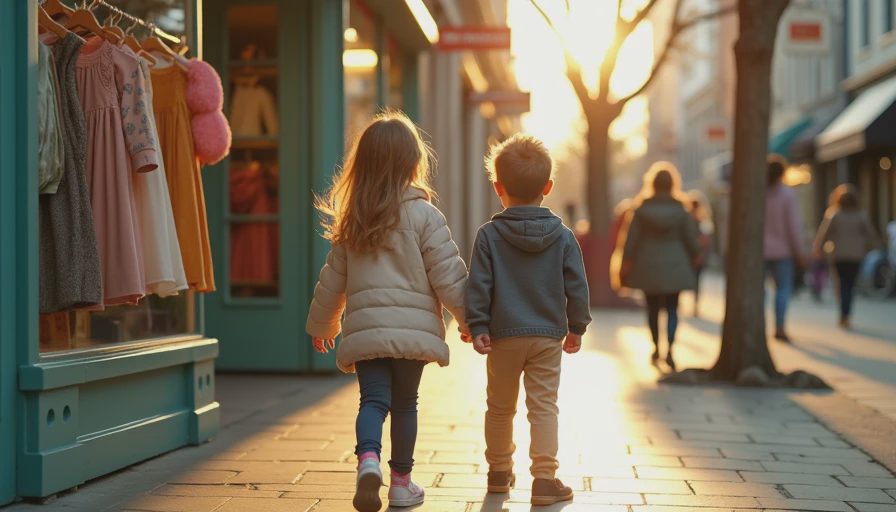
The three-wash minimum
I do not review a garment until it has been washed at least three times. One wash tells you almost nothing. Three washes reveal shrinking, fading, twisting, pilling, and whether the neck opening still behaves like a neck opening.
Wash the item according to its care label, then inspect it in daylight. Does the navy still look even? Did the knees become shiny? Did the printed design crack? Is the shirt shorter on one side? These details matter because kids do not treat clothing gently. They kneel in dirt, drag sleeves through lunch, and use jackets as blankets when the bus is late.
For designer kids clothes, I especially watch for fabric that feels impressive in the store but becomes awkward after laundering. Heavy material can be durable, but it can also turn into a stiff board if washed poorly. Soft material is comfortable, but very thin fabric can fail at the elbows within a month. A reliable middle ground is a substantial cotton blend with enough stretch for climbing and crouching.
When a brand recommends air-drying, I usually test that advice once and then decide whether our household can realistically follow it. With three kids and a full laundry basket, a piece that requires delicate handling is already working against us. That does not make it bad clothing. It makes it a poor match for our house.
Brands, prices, and where the value shows up
The designer kids clothes market stretches from roughly $40 for a well-made sweatshirt to more than $150 for special-event outfits. The useful question is not whether a price sounds high. Ask how many wears the child will get before the garment is outgrown or damaged.
Brands such as Mini Boden are often known for playful prints and practical everyday pieces. Hanna Andersson has a reputation for comfortable cotton basics and pajamas that many families use repeatedly. Patagonia Kids tends to focus on durable outdoor layers, while Janie and Jack is often chosen for dressier clothing. These brands serve different jobs, so comparing them as though they make identical products misses the point.
A $70 jacket worn twice is expensive. A $70 jacket worn every school day for one season, passed to a younger sibling, and used for fall walks can be a reasonable purchase. I also look for sales, outlet sections, and end-of-season timing. Buying a winter coat in late spring is less exciting than shopping the week before cold weather, but the savings can be substantial.
My favorite value often comes from one strong outer layer, two dependable pairs of pants, and several less expensive shirts. That mix lets the expensive item do real work while keeping the laundry pile manageable. You do not need a closet full of designer kids clothes to make a child look pulled together.

A playground test before you buy
Picture the child wearing the item. Can they raise both arms? Can they squat to pick up a ball? Can they sit cross-legged without a button pressing into the stomach? Can they pull the zipper with cold fingers? These are more important questions than whether the outfit looks perfect on a hanger.
At school, the most successful designer kids clothes disappear into the day. A child can run, eat, climb, and sit without thinking about the garment. Adjustable waistbands help, especially for kids who grow in sudden bursts. Reinforced knees matter for elementary-age children. Deep pockets are useful, but only if they do not drag the pants down when filled with rocks, toy cars, or playground treasures.
Avoid buying several expensive pieces in the same size unless you already know the brand’s fit. A size 6 from one company can fit very differently from a size 6 in another. Buy one item, test the movement and washing, then return to that brand if it works. Your child’s body and habits should decide the repeat purchase.
How to build a practical rotation
Start with the week, not the catalog. Count how many school days, sports practices, family events, and laundry cycles your household actually handles. A useful rotation might include three everyday tops, two durable pants, one sweatshirt, one weatherproof layer, and a nicer outfit for events. Add pajamas and activity clothing based on your routine.
Choose colors and patterns your child will willingly wear. A beautifully made sweater that triggers a daily argument has no practical value. Let the child choose between two acceptable options when possible. That small decision can prevent a full morning shutdown.
For designer kids clothes, buy fewer pieces with clear jobs. A washable button-down can cover school pictures, a birthday dinner, and a holiday gathering. A sturdy overshirt can work over a T-shirt in fall and under a coat in winter. Versatility protects your budget and reduces the number of garments waiting for a rare occasion.
The Graveyard test
Our garage has a cardboard box labeled THE GRAVEYARD. Every garment that dies before its time goes in there, tagged with the cause: split knee, failed zipper, mystery stain, or “lost at camp.” It is not scientific, but it keeps me honest.
Before buying designer kids clothes, ask what would make you regret the purchase. If the answer is a delicate fabric, hard-to-replace button, or wash instruction you will never follow, choose something more practical. If the item passes the movement test, survives three washes, and gets picked from the drawer without a fight, it has earned its price.
The best clothes do not make childhood look tidy. They make it easier for kids to run through it. Spend where durability and comfort are obvious, save where a basic cotton shirt does the same job, and let the laundry tell you what deserves a second purchase. Recess-tested. Dad-approved.
No comments yet — be the first to share a thought.