Tuesday morning, 7:42, Beckett is wearing one shoe, Hallie has misplaced her jacket, and Asher has somehow stepped in yogurt. This is the exact moment when expensive kids designer clothing either proves its worth or joins the Donovan household graveyard.
I spent 12 years watching elementary students sprint, slide, climb, and fall on blacktop. Now I run the laundry for three children in Boise, and I have learned that a famous label is not the same thing as a good kids' garment. The right piece should fit comfortably, handle real movement, wash without drama, and still look presentable at pickup.
That does not mean every premium item is a bad buy. It means we need a better test than a shiny website photo. Here is how I sort through kids designer clothing without turning the family budget into a science experiment.
What Makes a Designer Piece Worth the Price?
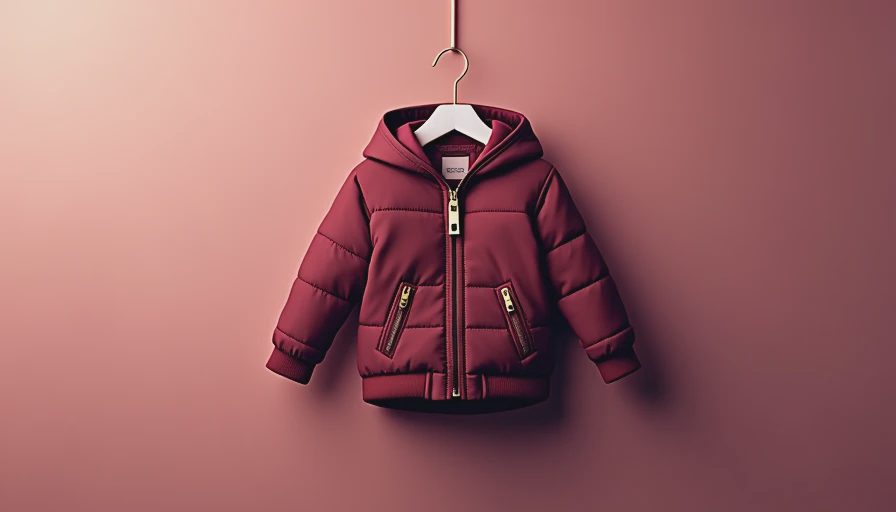
The Donovan household rule is simple: pay for useful construction, not just a logo. A $95 sweatshirt can be a smart purchase if the fabric stays soft, the cuffs recover after stretching, and the seams survive repeated washing. A $150 jacket is harder to justify if the zipper catches, the lining tears, or your child refuses to wear it because it feels stiff.
Look closely at the details. Strong stitching around pockets matters because pockets collect rocks, soccer cards, and whatever else a child finds outside. Ribbed cuffs should spring back instead of hanging loose. Adjustable waist tabs can add a full season of wear to pants. On outerwear, a smooth zipper, a lined hood, and a washable finish are more valuable than a decorative badge.
Brands such as Mini Rodini, Stella McCartney Kids, Burberry Children, and Polo Ralph Lauren Kids occupy very different price levels and design lanes. Do not assume the most expensive option is the most durable. Read the fiber content, inspect customer photos, and consider how the item will be used before paying premium prices.
The Three-Wash Minimum
I do not review kids designer clothing until it has survived at least three washes. One wash tells you almost nothing. Three washes reveal shrinking, fading, twisting, pilling, and whether a collar begins looking tired.
Follow the care label, but also think about your household. If a shirt requires delicate detergent, cold water, air drying, and a prayer, it may not belong in a busy dad's weekly rotation. I have made that mistake. One beautiful knit sweater went into the dryer by accident and came out sized for a determined toddler. It now lives in the graveyard, tagged “operator error.”
For everyday pieces, cotton blends often give you a practical balance of softness and recovery. Merino can work well for temperature changes, but it needs more careful handling. Nylon or polyester in a coat can improve durability and drying time. Avoid treating fabric names as automatic quality ratings. A heavier material is not always better if it makes your child hot, itchy, or slow on the playground.
After three washes, check the knees, elbows, cuffs, and seat. Those are the first contact points during recess. If the garment still fits, feels good, and looks decent, it has earned another week in the drawer.
Buy for the Child Who Will Wear It
Kids designer clothing works best when the child gets some say. That does not mean handing a seven-year-old an unlimited credit card. Offer two acceptable choices: the green overshirt or the striped sweatshirt; joggers or straight-leg pants. A child who helps choose an item is more likely to wear it without a morning negotiation worthy of a labor contract.
Comfort is not optional. Scratchy tags, tight armholes, stiff waistbands, and slippery linings create clothing that looks great on a hanger and sits untouched at home. Have your child move before buying: reach overhead, bend down, sit, and raise both arms. If the shirt pulls across the back in the store, it will feel worse while climbing monkey bars.
Sizing deserves attention too. Buying two sizes up can look economical, but oversized sleeves and dragging hems become safety problems during play. Buy enough room for growth without making the child wear a tent. For fast-growing children, a premium jacket with adjustable cuffs is usually a better investment than delicate pants that only fit for one school term.
Where to Spend and Where to Save
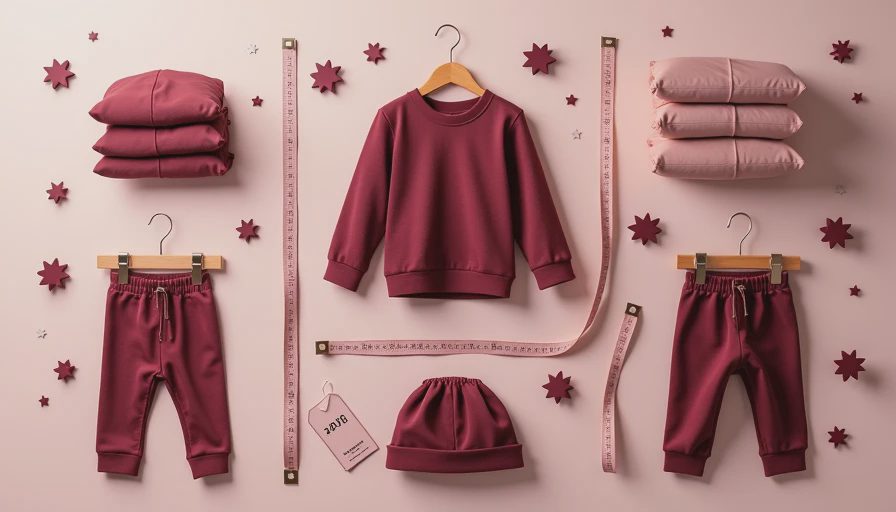
A useful budget plan puts money into the pieces that get the most wear. Spend more on a winter coat, sturdy sneakers, a school cardigan, or a weather-resistant shell. These items face daily use and can sometimes pass from one child to another.
Save on basic T-shirts, play shorts, leggings, and seasonal novelty pieces. Target, Old Navy, Uniqlo, and Carter's can cover these jobs without making every grass stain feel like a financial emergency. Mixing accessible basics with one or two special pieces often creates a better wardrobe than buying a complete designer outfit.
Secondhand shopping can also make kids designer clothing more reasonable. Kids outgrow formal wear quickly, so consignment stores and resale platforms sometimes offer nearly new blazers, dresses, coats, and occasion sweaters at a fraction of the original price. Check cuffs, knees, zippers, and underarm areas before buying. A low price is not a bargain if the garment already has one foot in the graveyard.
For expensive purchases, calculate the cost per wear. A $120 coat worn 80 times costs $1.50 per wear. A $45 party shirt worn once costs $45 per wear. The math does not make every premium item wise, but it clears away some of the sticker shock.
Building Outfits Without Overthinking Them
The easiest kids designer clothing outfits usually start with one noticeable piece and dependable basics around it. Pair a patterned jacket with a plain tee and dark jeans. Put a special skirt with a simple sweater and sneakers. Let the interesting item do the work instead of stacking logos, bright patterns, and complicated layers.
Neutral bottoms are especially useful for school mornings. Navy, gray, denim, olive, and black hide ordinary playground evidence better than pale colors. That does not mean every child needs a gray wardrobe. It means one dependable base can make several louder shirts usable.
Shoes should match the day, not just the outfit. A polished loafer may work for a family event, but it is a poor choice for a school day with PE. At school, flexible sneakers with secure fasteners win. I have watched plenty of stylish shoes fail during relay races because the child spent more time fixing them than running.
Keep one backup outfit in the car or classroom bag, especially for preschool and early elementary years. A spare shirt, shorts or pants, socks, and a plastic bag can rescue the rest of your afternoon.
A Dad's Shopping Checklist
Before buying kids designer clothing, ask five questions. Will my child choose to wear it? Can it handle the movement this child makes every day? Is the care routine realistic for our laundry room? Does the price make sense for the number of wears? Can a younger sibling inherit it?
Then inspect the garment in person if possible. Pull gently at the seams, test the zipper, look inside the waistband, and check whether the care label matches your actual habits. Online, zoom into fabric photos and read reviews that mention washing, sizing, and wear instead of only describing the color.
Keep receipts for higher-priced pieces and avoid removing tags until your child tries the item at home. A five-minute fitting can expose a scratchy neckline or awkward shoulder long before the first playground trip.
Good kids designer clothing should make family life easier, not create a museum exhibit in your closet. If it survives three washes, earns regular wear, and still looks ready for school pickup, it has done its job. Recess-tested. Dad-approved.
No comments yet — be the first to share a thought.